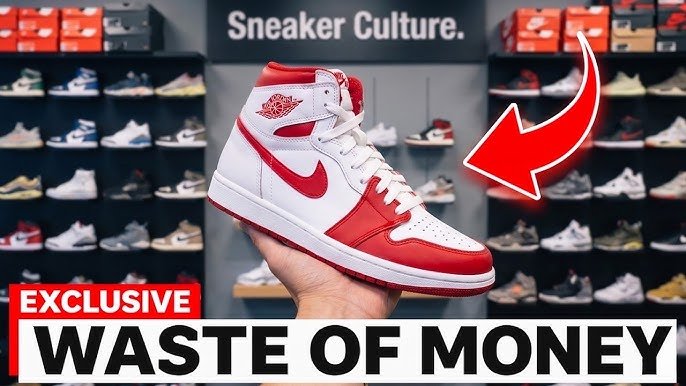

That leather sneaker you just paid $150 for, it is plastic. Not faux leather, not vegan leather, not a leather alternative. No, plastic. Polyurethane film pressed onto a fabric backing and stamped with a grain pattern in a factory mold. And the brand that sold it to you, they know exactly what it is.
Here’s the thing. The sneaker industry replaced real leather with synthetic materials decades ago, and they never told you. They just kept using the word leather on the box, on the tag, and in the ad. The math is simple. A genuine full grain leather upper costs a brand $12 to $25 more per pair than a PU synthetic. So they cut the material, kept the price, and pocketed the difference.
Today we are doing something different. Instead of exposing the frauds, we are handing you a list. Everything Else The only six sneaker brands still using real traceable full grain leather in their uppers. Because if you are spending money on leather, you deserve to actually get leather. Stick around until the end because the final brand on this list sources its hides from a tannery that has been running since 1905 and the craftsmanship shows in every single pair.
Brand one, New Balance Made in USA
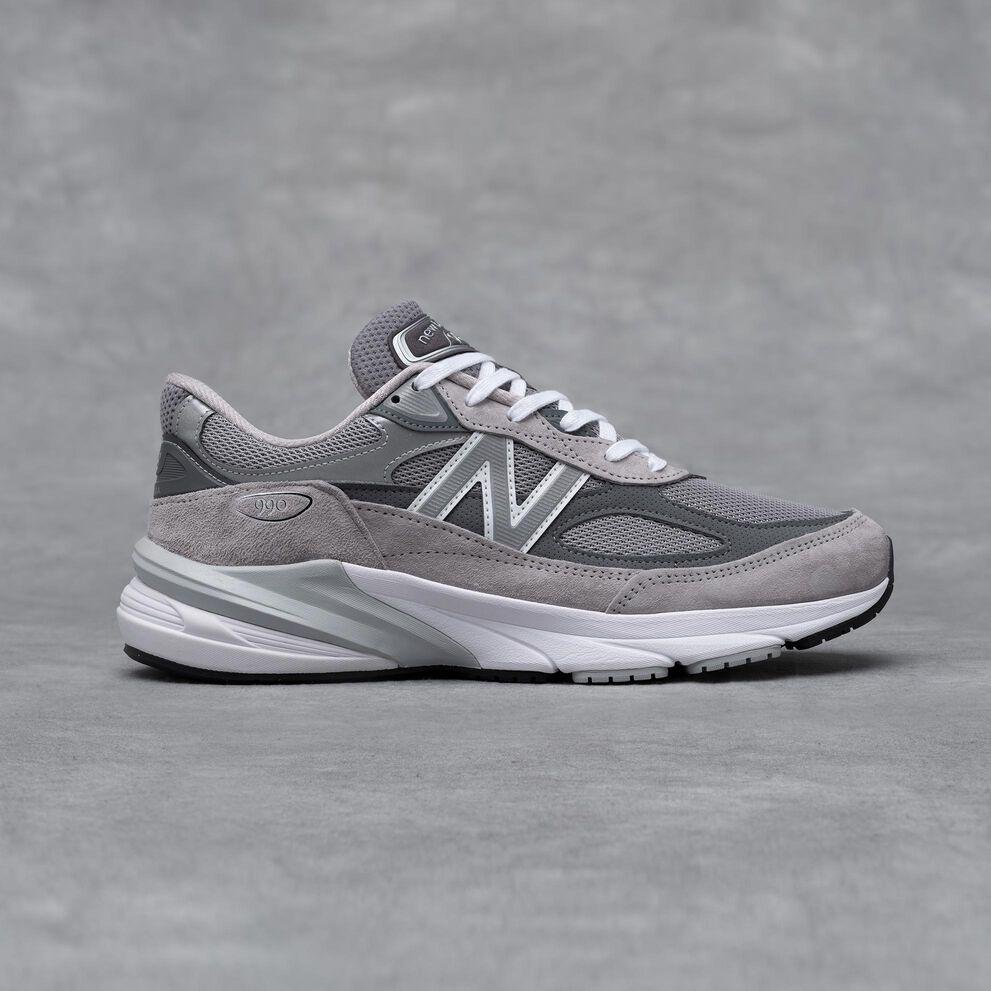
Brand one, New Balance Made in USA. New Balance does not advertise this loudly enough, which is almost criminal. Their Made in USA line, built in factories in Massachusetts and Maine, uses full grain Horween leather sourced from the Horween Leather Company in Chicago, one of the last remaining traditional tanneries on the continent.
And get this, the manufacturing cost on a pair sits between $45 and $60. Retail runs $330 to $340. That is a markup of roughly 550%. On paper, that sounds outrageous. But here’s where it gets truly interesting. The Horween upper alone justifies a significant portion of that gap. Everything Else The hide is dense, breathable, and develops a patina over years of wear rather than peeling and cracking at the 18-month mark like a PU upper will.
The real kicker is the cost per wear. Worn four days a week for five years, conservative for a resolable sneaker, you’re looking at approximately 32 cents per wear. Bottom line, this is bulletproof engineering at a justified price. The Made in USA line is the gold standard of American athletic leather craftsmanship.
Brand two, Common Projects
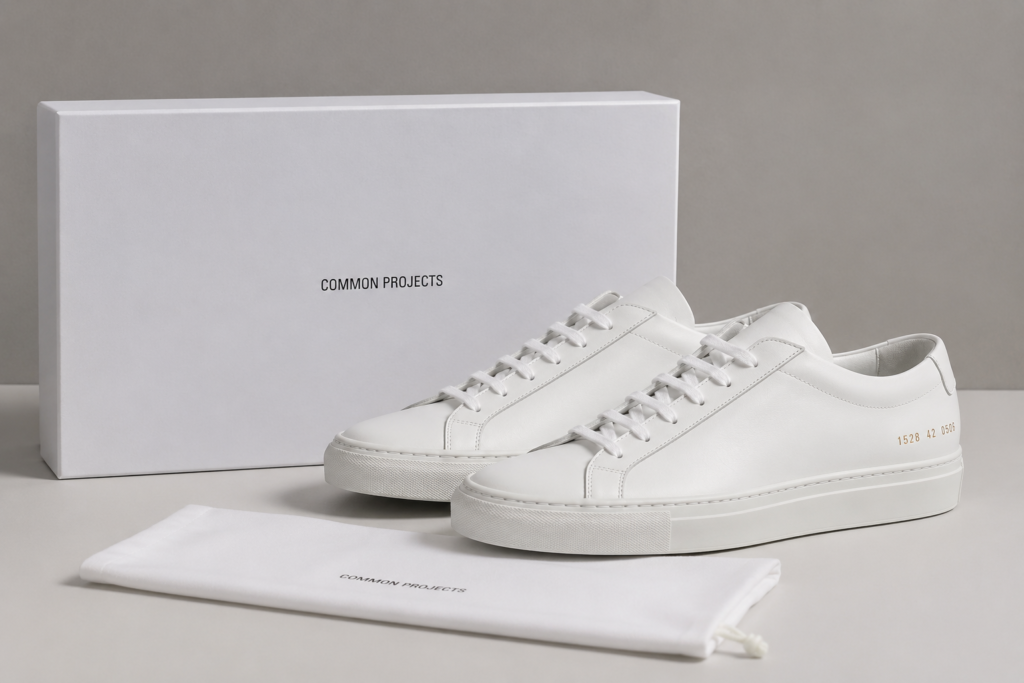
Brand two, Common Projects. Common Projects built its entire reputation on one promise: full grain Italian calf leather at a minimalist price point. The leather is sourced from tanneries in Veneto and Tuscany, regions with centuries of hide-working heritage.
Here’s the thing. Manufacturing cost runs $40 to $55 per pair. Everything Else Retail lands between $400 and $500. That is a markup between 750% and 900%, the highest on this list. Is it justified? Partially. The Italian leather is legitimate. You are getting real full grain hide with genuine aging characteristics and a four to six year lifespan, but you are also paying for the brand’s minimalist aesthetic status.
Translation: half the price is real craftsmanship and the other half is a hype tax disguised as restraint. If you hit subscribe right now, you will never walk into a store uninformed again. We do the audit so you do not have to. The verdict: genuine leather, genuine quality, but priced accordingly.
Brand three, Thursday Boot Company.
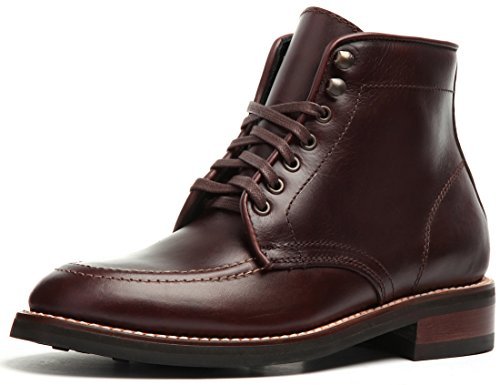
Brand three, Thursday Boot Company. Thursday Boot Company may be the most honest brand on this entire list. They use full grain leather sourced from Horween and Le Farc tanneries, build their shoes on a Goodyear welted construction that makes them fully resolable, and retail the Premier Low Top at $129.
Manufacturing cost sits around $28 to $35 per pair. Markup roughly 370%. By sneaker industry standards, that is practically charitable. The cost per wear on a four to five year pair worn regularly drops to approximately 12 cents, the lowest on this list by a wide margin.
But here is where it gets truly valuable. Thursday is transparent about its supply chain in a way that most brands actively avoid. They will tell you where the leather comes from. Everything Else They will tell you who makes the shoe. And the Goodyear welt means that when the sole wears out, you do not throw the shoe away. You replace the sole and keep wearing it. That is not a sneaker. That is an investment.
Brand four, Koio.
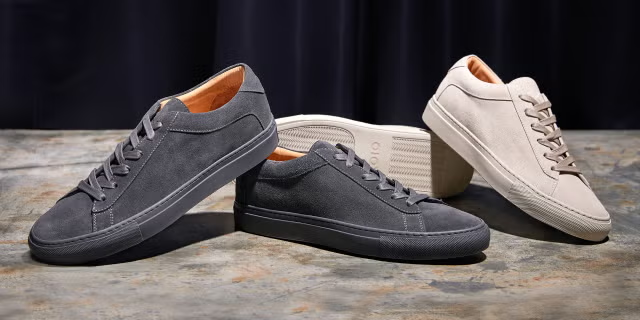
Brand four, Koio. Koio is the dress sneaker category’s best-kept secret when it comes to material honesty. Every pair is hand-finished in Italian factories using full grain Italian leather, and the brand’s R&D spend is genuinely allocated toward leather sourcing and finishing technique rather than celebrity endorsements.
Manufacturing cost runs $50 to $65 per pair. Retail ranges from $245 to $400, a markup of 400% to 600%. Consumer sentiment among Koio buyers is notably loyal, with minimal reports of premature peeling, delamination, or structural failure. That is the fingerprint of real leather. PU tells on itself within 18 months. Full grain does not.
The real kicker is the hand-finishing process. Each pair goes through multiple rounds of edge painting and leather treatment before it leaves the factory. Bottom line, Koio charges for craftsmanship and delivers it.
Brand five, Crown Northampton.
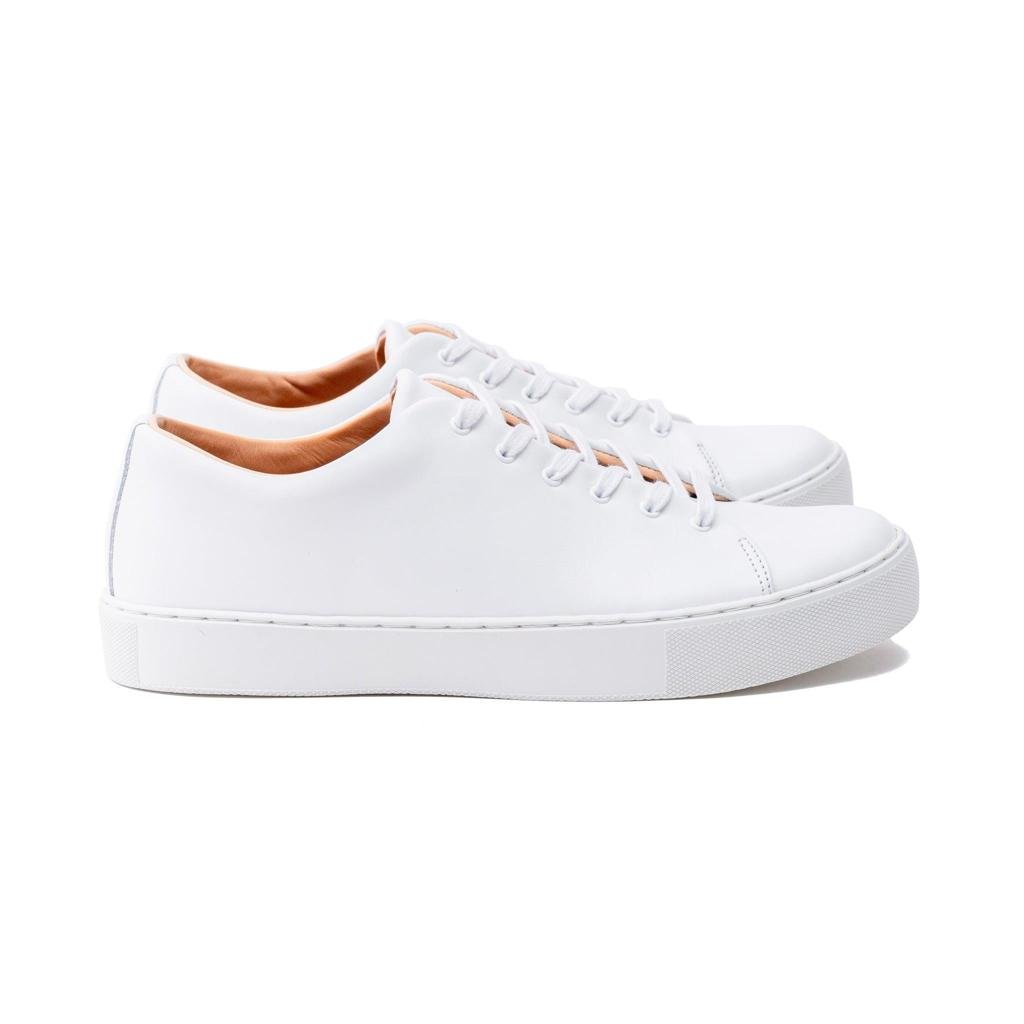
Brand five, Crown Northampton. Crown Northampton is where sneaker meets shoecraft at the highest possible level. They use vegetable-tanned full grain leather and shell cordovan, horse leather harvested from the rump of the animal, one of the densest, most water-resistant hides available on Earth.
The leather is sourced from Horween and English Oak Bark tanneries. Everything Else Manufacturing cost ranges from $90 to $120 per pair. Retail ranges from $556 to $685. Markup roughly 500%. But shell cordovan does not crack, does not peel, and does not lose structural integrity after a year of wear.
A properly maintained pair of Crown Northampton shell cordovan sneakers will outlast every synthetic upper on the market by a decade. We are talking a lifespan of 10-plus years. The cost per wear math becomes almost embarrassingly favorable.
Now we want to hear from you. Drop a comment below. Which brand do you own, and has the leather held up? We want your real-world data.
Brand six, Greats.
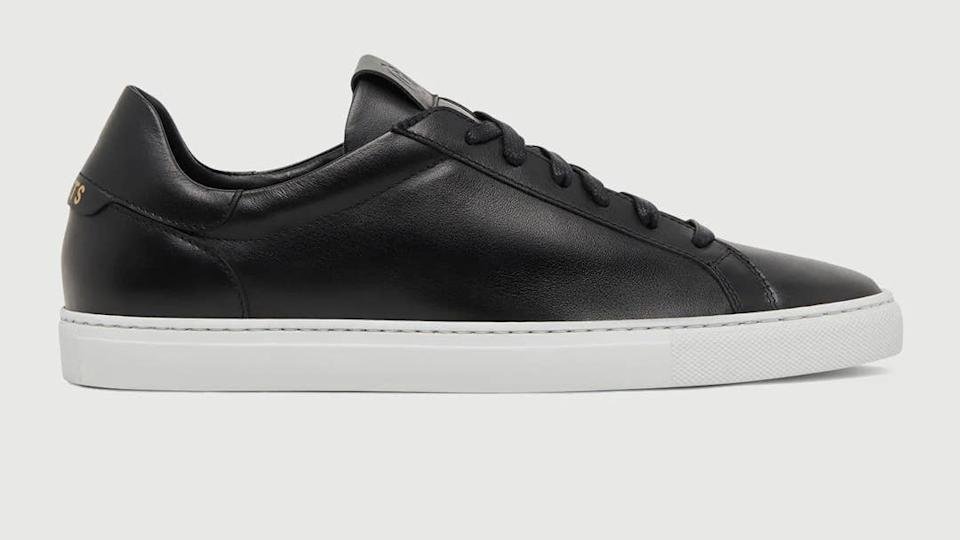
Brand six, Greats. The Royale brought Italian leather craftsmanship to an accessible price point without lying about the materials, which in today’s market is rarer than it sounds. Everything Else The Royale is made in Italy using full grain leather with manufacturing costs between $30 and $40 per pair and a retail price of $189, a markup of roughly 470%.
The Royale lasts three to four years under regular wear, delivering a cost per wear comparable to Thursday Boot Company and significantly lower than any synthetic alternative at the same retail price. The brand has maintained transparency about its Italian origin since launch, and community sentiment reflects that. Buyers who know leather recognize the Royale as honest value rather than hype.
And here is the thing. Greats does not pay for celebrity placement. They pay for the leather. That is a rare allocation of budget in this industry, and it shows up directly in the material quality.
The sneaker industry survives on one assumption: that you cannot tell full grain from polyurethane until it is too late. And for most buyers, that assumption has been correct. The brands that profit most from synthetic materials spend the least on the material and the most on convincing you it is premium.
The six brands on today’s list made a different choice. They chose the hide over the hype. They chose tannery sourcing over Instagram spend. And whether you are spending $129 or $685, you are getting something that will last, patina, and reward years of wear rather than peeling apart in a season.
Before you buy any leather sneaker, ask one question: what tannery did this hide come from? If the brand cannot answer that, you already have your answer. Hit subscribe if you want the truth about what is actually inside your shoes. We will keep doing the audit. All you have to do is show up.