
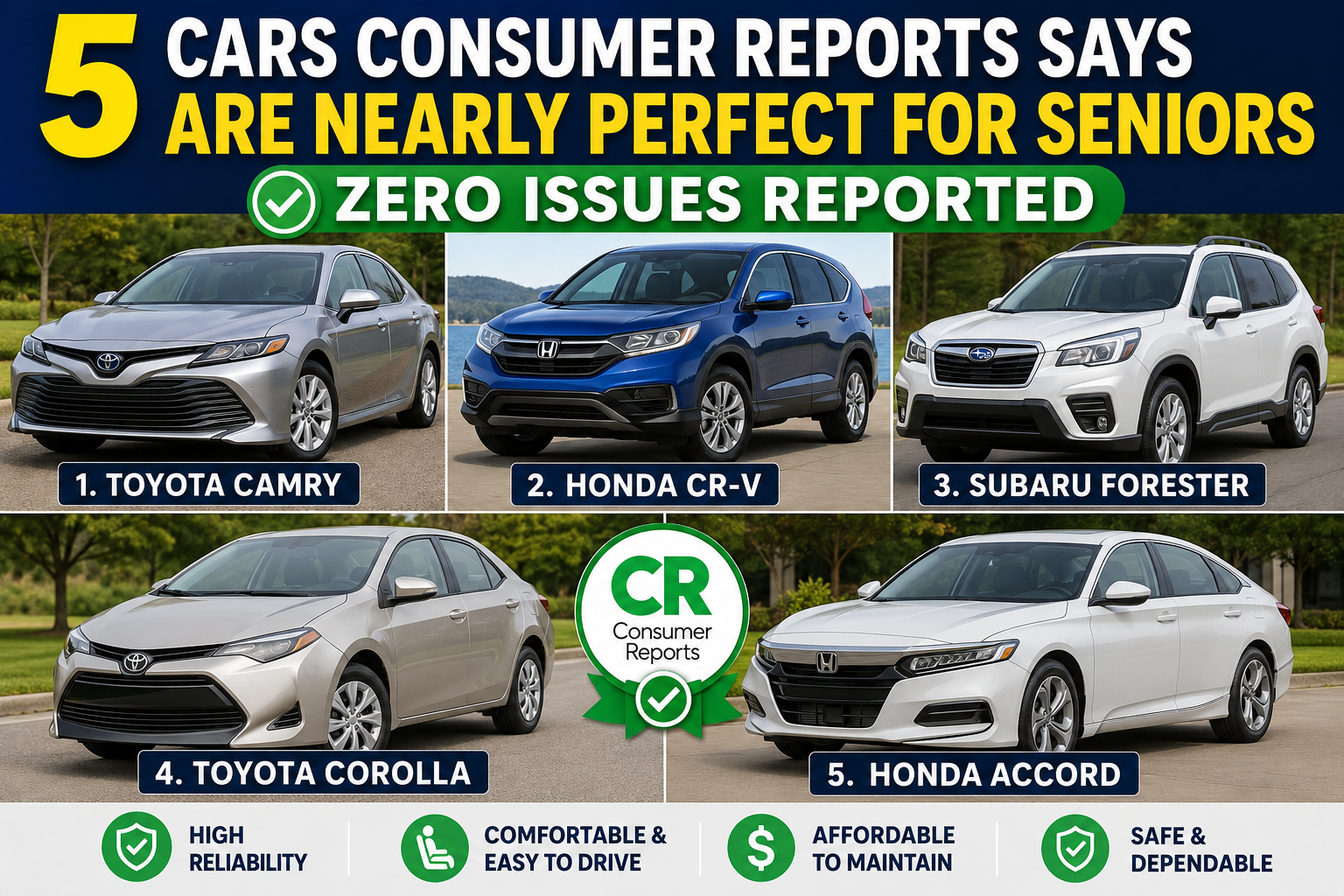
If you’re buying a used car, especially if you’re retired or helping a parent buy one, the price on the window sticker is not your biggest risk. It’s not even close. The real danger is 8 months down the road when you’re staring at a repair estimate sitting at $3,400 for a transmission rebuild or $2,800 for a timing chain replacement. Or, this one’s brutal, a $6,000 air suspension overhaul on a luxury SUV you bought thinking it would be smooth and worry-free.
That’s the car-buying trap that catches thousands of seniors every single year. They pick the car that looks beautiful or the one their neighbor drives or the one the salesman pushed hardest and then 6 months later the repair shop becomes their second home.
So today we’re not going off opinions or gut feelings. We’re going straight to the data: Consumer Reports. And if you don’t know them, here’s why they matter. They buy every car they test with their own money. No free press cars, no manufacturer favors. They drive those cars tens of thousands of miles. And more importantly, they survey over 300,000 actual vehicle owners every single year to track exactly what breaks, what holds up, and what costs people money.
Today, we’re looking at five cars that scored at the very top of Consumer Reports reliability rankings. Models with near-zero reported issues in drivetrain, engine, and transmission categories. The cars that statistically speaking almost never let their owners down.
We’re counting down from 5 to 1. And I promise you, the car at number one is going to surprise a lot of people.
Let’s get into it.
Number Five — Honda Accord
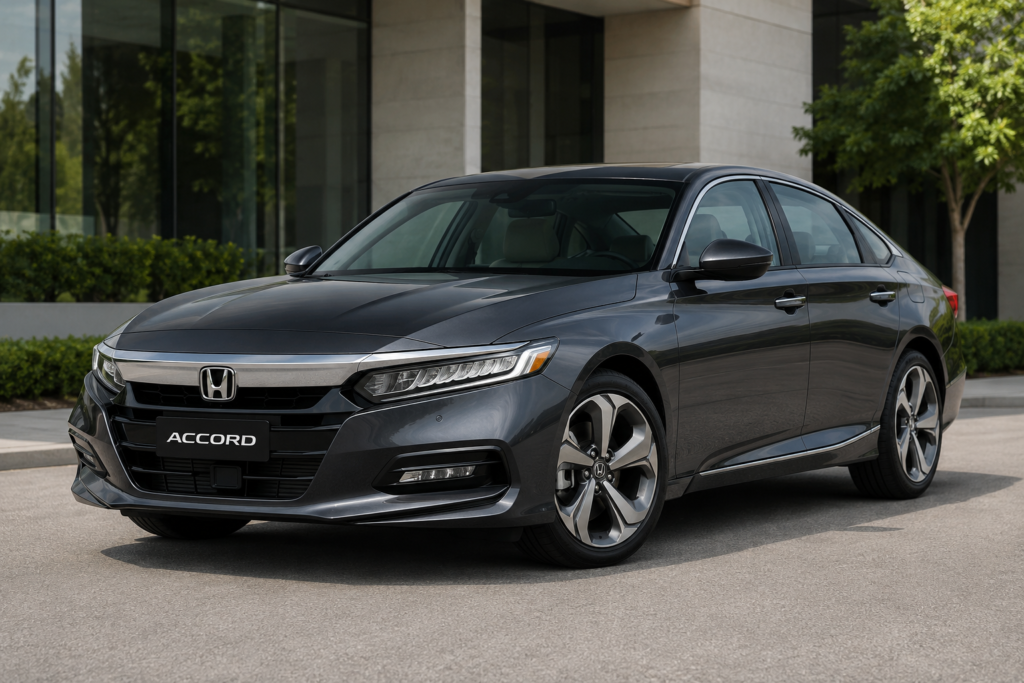
Now, the Accord has been America’s most dependable midsize sedan for decades, but not all years are equal, and that distinction matters.
Consumer Reports gives the 2018–2022 Accord a predicted reliability score of four out of five with owner-reported problems in the engine and transmission categories coming in at well below the industry average.
Let’s talk about what it’s replacing and why that matters financially.
Look at the alternatives in the midsize segment. A comparable Volkswagen Passat or Ford Fusion with similar mileage. The Fusion’s six-speed PowerShift transmission has a documented history of shuddering and slipping. Ford actually settled a class action lawsuit over it. The Passat’s DSG dual-clutch gearbox can run you thousands when it fails.
The Accord comes with Honda’s tried-and-true 1.5L turbocharged inline-four or the 2.0L turbocharged four-cylinder. Both paired with a conventional torque-converter automatic transmission. The old-school design that has earned its reputation for longevity. No dual-clutch headaches, no CVT whine, just a gearbox that shifts clean and keeps shifting clean.
Honda engineered this generation of Accord with structural rigidity, a low center of gravity, and minimal electronic complexity in the drivetrain.
Owner reports show the most common complaints are minor rattles and the occasional infotainment glitch — not engine mounts, not transmission failures, not the stuff that costs you thousands.
It also carries Honda Sensing: automatic emergency braking, lane-keeping assist, and adaptive cruise control standard across most trims. For senior drivers, that suite of safety tech is enormous peace of mind.
A clean one-owner 2019–2020 Accord EX with under 60,000 miles is sitting in the $20,000–$25,000 range right now depending on your market. That’s a lot of car for the money. And given its reliability track record, you’re very unlikely to see a major repair bill in the first 50,000 miles.
Number Four — Mazda CX-5
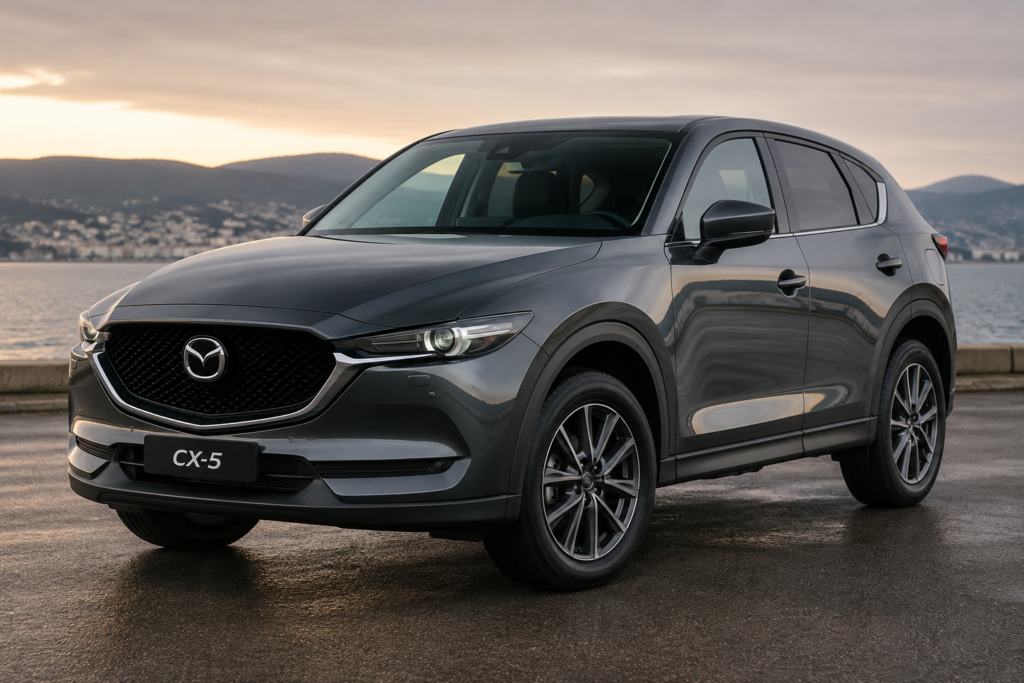
The Mazda CX-5 is one of the most quietly impressive reliability stories in the compact SUV segment.
Consumer Reports has rated it a near-perfect five out of five for predicted reliability in multiple recent model years, making it one of the highest-scoring compact SUVs they test.
Compare that to the competition. The Ford Escape had well-documented coolant intrusion issues on the 1.5L EcoBoost engine. The Jeep Cherokee has struggled for years with below-average reliability scores tied to transmission and electrical complaints. The Chevrolet Equinox developed persistent oil-consumption complaints on its 1.5T engine.
Why does the CX-5 hold up so well?
Mazda made a conscious engineering decision most automakers walked away from. The CX-5 uses a naturally aspirated 2.5L four-cylinder engine. No turbo, no intercooler, no added heat stress on seals and gaskets. Just a refined, durable engine platform paired with a six-speed conventional automatic transmission.
Again: not a CVT, not a dual clutch. A proper, proven automatic that mechanics know inside and out.
Mazda also overengineers their interiors to a degree that punches well above their price class. The Skyactiv chassis is rigid, the suspension geometry is precise, and the brakes wear evenly and predictably.
For seniors, the seating position is commanding without being truck-high. Entry and exit feel natural, and visibility is genuinely better than most competitors.
A 2020–2021 CX-5 Touring AWD in good condition is currently running around $24,000–$29,000. The price holds because the car holds. Mazda residual values are strong for a reason.
Number Three — Toyota Camry
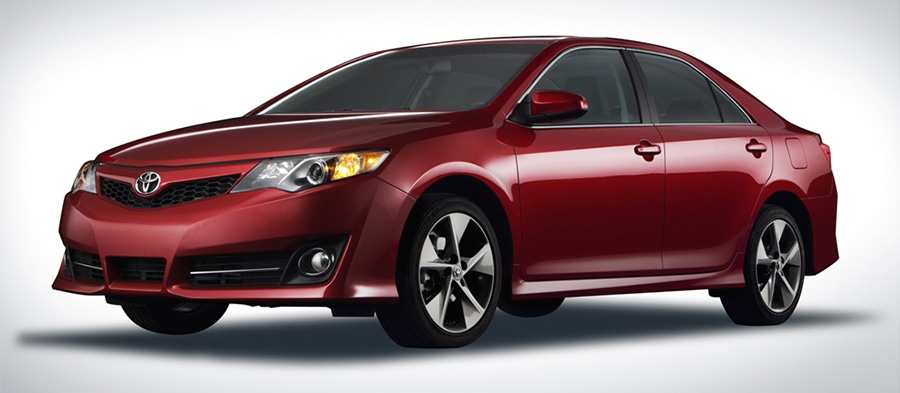
The Toyota Camry continues to be one of the most consistently reliable vehicles Consumer Reports has ever tested.
The redesigned Camry platform launched in 2018 and immediately earned top reliability scores — something that almost never happens with a fresh redesign.
Now picture the alternatives.
A Nissan Altima with Nissan’s CVT transmission can become a financial nightmare when the transmission fails. Repairs commonly land between $3,500 and $4,500.
The Hyundai Sonata dealt with major engine recall concerns involving direct injection problems and metal debris contamination.
The Camry’s 2.5L Dynamic Force four-cylinder has been stress-tested globally across millions of vehicles. Owner-reported engine and drivetrain problems are statistically negligible.
Toyota’s philosophy is conservative engineering. And that’s the secret.
The engine uses a chain-driven timing system, moderate compression ratios, and proven internal components designed for long-term durability.
Toyota’s CVT even includes a mechanical launch gear to reduce stress during acceleration from a stop — addressing one of the biggest weaknesses that kills competitor CVTs.
The hybrid trims use Toyota’s proven hybrid system that has already demonstrated decades of reliability in the Toyota Prius lineup.
For seniors, the Camry offers wide door openings, comfortable seating height, a smooth ride, heated seats on higher trims, large infotainment text, and excellent visibility.
A clean 2019–2020 Camry XLE runs around $23,000–$28,000. Hybrid versions cost more, but the fuel savings and minimal powertrain concerns make them worth considering.
Number Two — Lexus ES
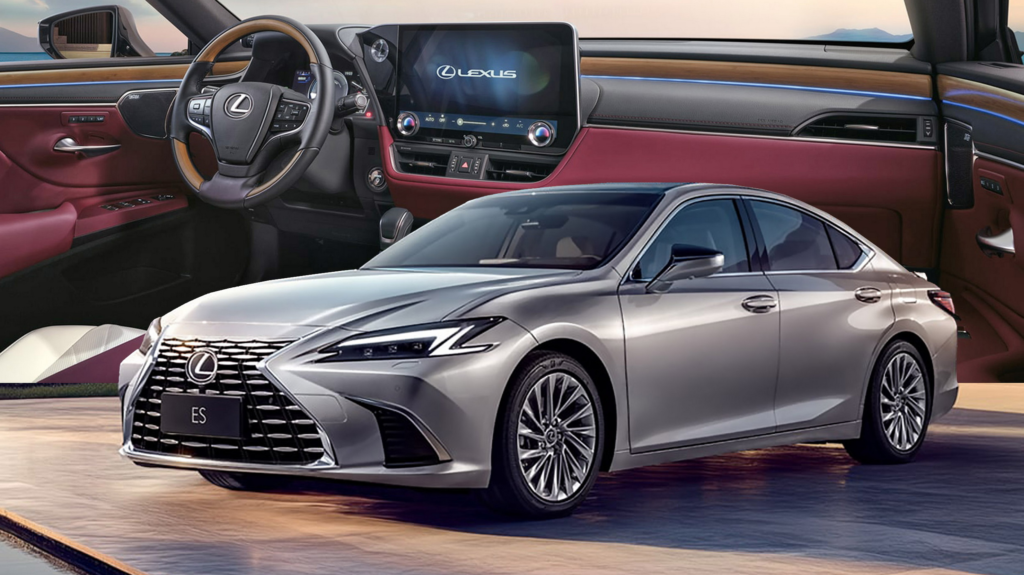
The Lexus ES sits at the very top of Consumer Reports reliability rankings for luxury midsize sedans.
And here’s the important part: it’s not just reliable for a luxury car. It’s one of the most reliable vehicles of any kind.
Now compare it to the alternatives in the same price range.
The Mercedes-Benz E-Class has documented timing chain tensioner failures, air suspension leaks, and expensive electrical issues.
The BMW 5 Series is known for oil-consumption and cooling-system vulnerabilities.
The Audi A6 can develop DSG transmission jerkiness and costly service requirements.
Meanwhile, the most common complaints on the Lexus ES are wind noise and a slightly dated infotainment touchpad.
That’s it.
The ES350 uses Toyota’s legendary 3.5L V6 engine — one of the most battle-tested V6 platforms ever made. Chain-driven timing, conventional 8-speed automatic, no turbos, no unnecessary complexity.
The hybrid ES300h variant is equally impressive. Regenerative braking dramatically reduces brake wear, and Lexus hybrid systems routinely survive well past 200,000 miles with minimal intervention.
For seniors, the ES offers exceptionally supportive seats, memory seating, low step-in height, a massive trunk, and a ride quality that isolates road imperfections beautifully.
A 2019–2020 ES350 with under 50,000 miles currently runs around $30,000–$37,000. The hybrid versions hold value even more aggressively.
Number One — Toyota Prius
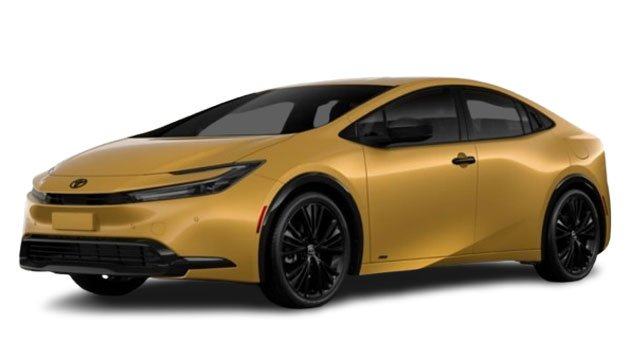
And yes, the Prius really is number one.
The Toyota Prius has achieved something almost impossible in Consumer Reports survey methodology: near-perfect reliability scores year after year across massive ownership samples.
We’re talking about a vehicle with reported engine and transmission problems that are statistically close to zero.
The Prius carries a reputation problem. Some people see it as boring or slow. But that perception causes buyers to overlook one of the most mechanically stress-free vehicles ever built.
Toyota has been refining hybrid systems since 1997. The Prius drivetrain has nearly three decades of engineering refinement behind it.
Here’s why the system is so reliable:
- There is no traditional automatic transmission. The Prius uses a planetary gear-based power split device with almost no wear components.
- The Atkinson-cycle engine operates under lower stress than conventional gasoline engines.
- Regenerative braking massively extends brake life. Many owners report over 100,000 miles on original brake pads.
- Toyota’s hybrid battery systems have proven exceptionally durable in real-world ownership.
Even when batteries eventually fail outside warranty, replacement costs have dropped dramatically compared to a decade ago.
For seniors, the Prius offers excellent visibility, low step-in height, available all-wheel drive, and Toyota Safety Sense 2.0 with collision warning, adaptive cruise control, lane departure alert, and automatic emergency braking.
And then there’s the fuel economy.
Real-world owners routinely report 48–52 MPG. For someone on a fixed income, that’s a serious long-term savings advantage.
A 2020–2021 Prius XLE with under 50,000 miles currently sits around $22,000–$28,000 depending on trim and market.
The market has figured out what Consumer Reports has been saying for years:
The Prius just doesn’t break.
So here’s the truth the car industry doesn’t love talking about:
The perfect used car isn’t the one with the fanciest badge. It’s not the fastest. It’s not the one the salesman says is flying off the lot.
The perfect car is the one that starts every morning. The one that doesn’t strand you at night in an unfamiliar neighborhood. The one where your biggest maintenance expense this year is still just an oil change.
Five different vehicles. One thing in common:
None of them are likely to betray you.