Walls at every department store and sporting goods outlet in America. Billions in annual revenue. Sponsorship deals with the biggest athletes on Earth. Shelf space that competitors would have done anything to take.
That was 2022.
By late 2025, six of these seven brands had posted double-digit revenue declines, and two had swung into outright financial losses for the first time in their corporate histories.
This is a damage report.
The footwear industry shed over $10 billion in combined brand value across the companies on this list in less than three years, and the bleeding has not stopped.
These are the seven sneaker brands showing every warning sign of extinction before the decade ends, ranked from concerning to critical.
Number 7: Fila
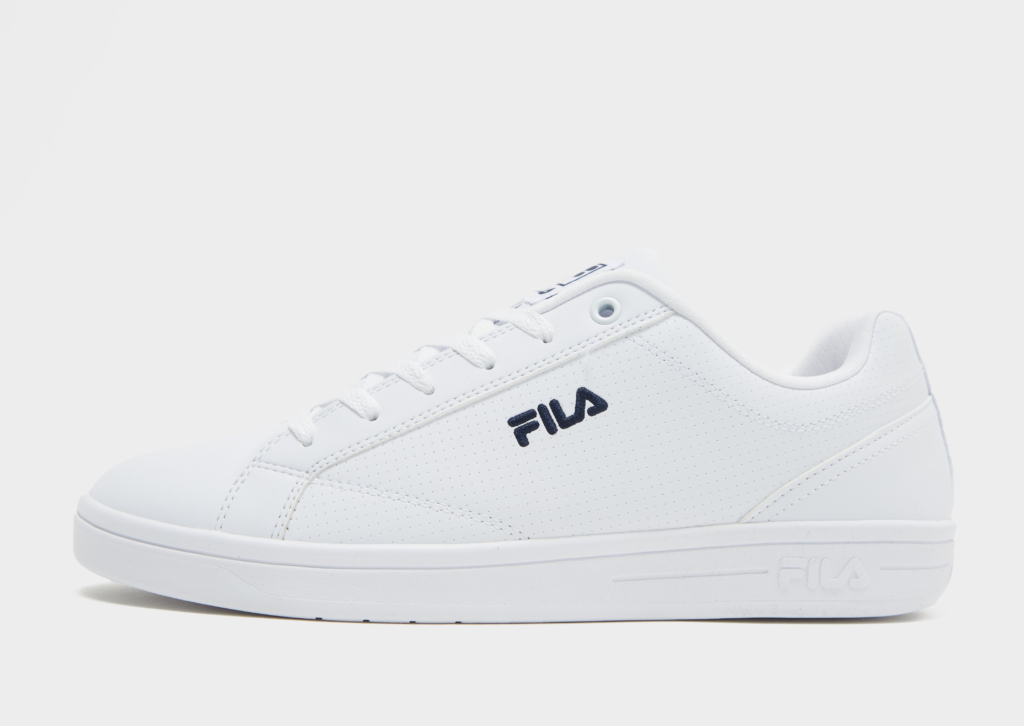
Fila once sat alongside Nike and Reebok as one of the three sneaker brands that defined American sportswear in the 1990s. Grant Hill wore them on the hardwood. Teenagers lined up for the Disruptor.
By 2019, Fila had engineered a comeback that pushed global revenues past $3 billion, driven largely by the chunky sneaker trend that swept through streetwear.
That comeback is now a cautionary tale.
Fila’s American revenue fell over 50% across a two-year stretch ending in late 2024. The third quarter of that year posted just $38.9 million in U.S. sales, down from $90 million two years prior.
The parent company, formerly known as Fila Holdings, rebranded itself as Misto Holdings in 2025, a corporate signal that the Fila name itself had become more of a liability than an asset.
The company also exited direct U.S. operations entirely, shifting to a licensing model in the region where the brand first became famous.
The problem is structural. Fila’s entire resurgence was built on a single silhouette trend. When chunky sneakers fell out of rotation, Fila had nothing underneath. No performance credibility, no running technology, and no cultural anchor beyond nostalgia.
The brand still has presence in South Korea and parts of Asia, but in the American market, where sneaker culture is defined, Fila is functionally invisible.
Number 6: K-Swiss
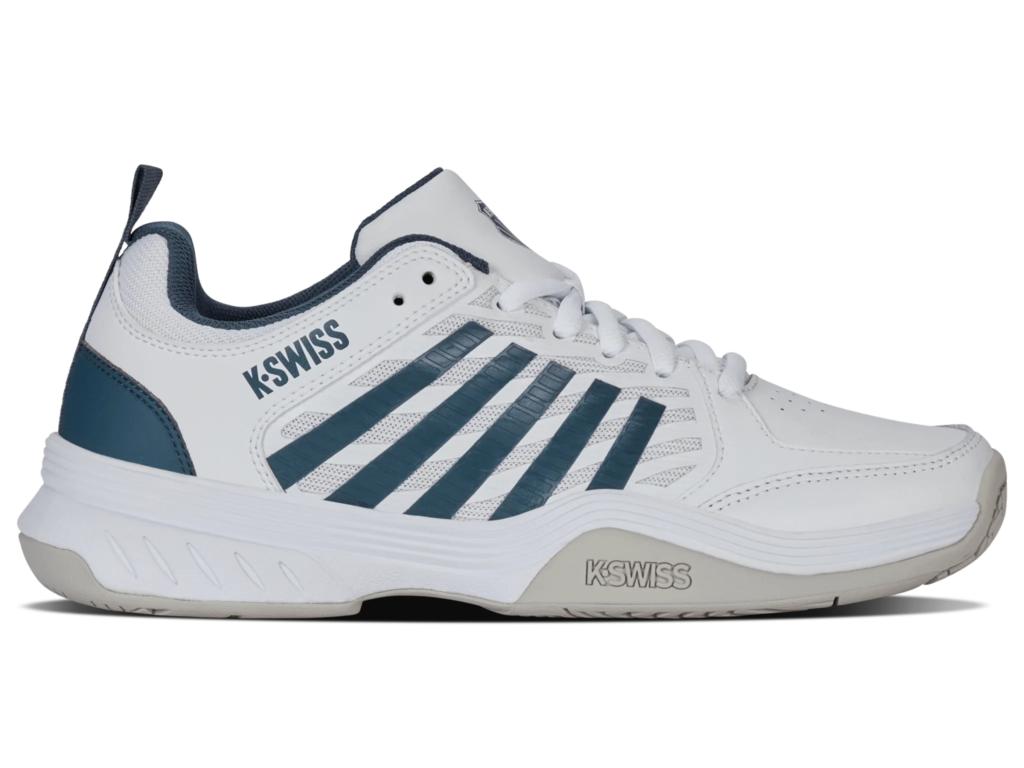
In 2006, K-Swiss reported annual revenue of approximately $470 million. The brand had carved a niche between performance tennis and clean minimalist lifestyle sneakers.
Fifteen years later, K-Swiss had been through bankruptcy proceedings, mergers, acquisitions, and multiple ownership changes. Four different corporate parents in roughly fifteen years, each one promising a turnaround, none delivering it.
The brand still technically exists. You can find a small selection on its website and scattered across discount retailers.
But K-Swiss has no cultural relevance, no significant retail presence in the United States, and no performance category where it competes meaningfully.
The infrastructure that once supported nearly half a billion dollars in annual sales is gone. The design teams have been gutted. The marketing budget is a rounding error compared to competitors.
K-Swiss is not declining. It is already functionally extinct.
Number 5: Reebok
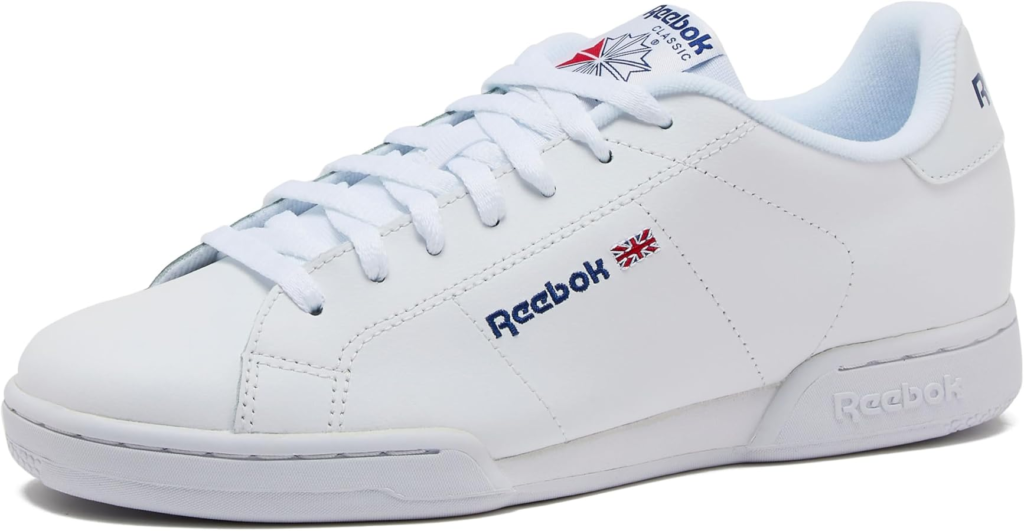
Adidas paid $3.8 billion for Reebok in 2005. The acquisition was supposed to create a combined entity capable of challenging Nike on every front.
Instead, Adidas spent sixteen years watching Reebok struggle. Revenue stagnated between $1.5 billion and $2 billion annually. Product innovation stalled, and marketing campaigns failed to gain traction.
In 2021, Adidas sold Reebok to Authentic Brands Group for a reported $2.5 billion.
Under the licensing model, Reebok expanded distribution rapidly and landed in major retailers. Reported revenue surpassed $5 billion, but much of that figure represented retail revenue generated by licensees rather than organic brand growth.
The brand still has no clear market position. It is neither a dominant performance brand nor a lifestyle leader. It survives largely through licensing arrangements rather than strong consumer demand.
Number 4: Puma
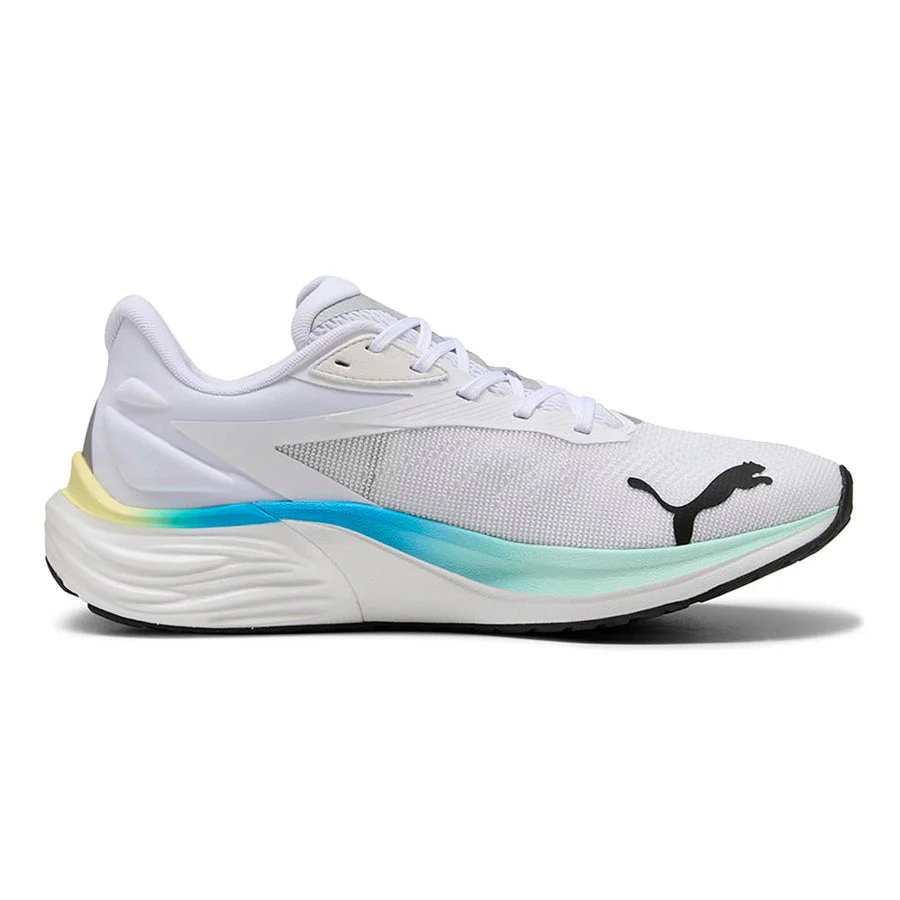
If any brand on this list has the financial data to back up the word collapse, it is Puma.
In 2025, Puma reported a net loss of €645.5 million, a dramatic reversal from the previous year’s profit.
Annual sales fell sharply across global markets. North America, Europe, and Asia-Pacific all recorded significant declines.
Puma’s own e-commerce revenue dropped substantially as the company pulled back on discounting in an attempt to protect brand perception.
The company announced major workforce reductions, with thousands of positions affected over multiple years.
Inventory levels rose significantly, signaling that warehouses were filling with products consumers were not buying.
Executives described 2025 as a reset year and 2026 as a transition year, with growth not expected until at least 2027.
Number 3: Under Armour
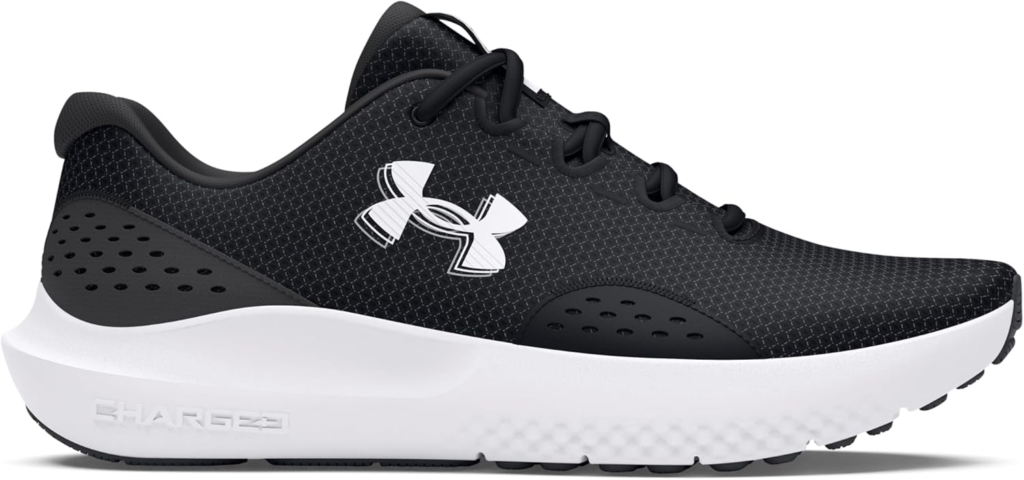
Armour was never a sneaker brand first. It built its reputation on performance apparel before investing heavily in footwear through endorsements such as Stephen Curry.
That investment is now facing pressure.
Footwear revenue declined for multiple consecutive quarters, with double-digit percentage drops becoming a recurring pattern.
North American sales weakened, e-commerce slowed, and international markets provided little relief.
The company has focused on improving margins rather than pursuing aggressive revenue growth, but shrinking footwear sales continue to raise concerns.
Outside of the Curry line, Under Armour lacks a defining footwear identity. Running is dominated by brands like On, Hoka, and ASICS, while lifestyle categories are controlled by competitors such as New Balance and Adidas.
Number 2: Vans
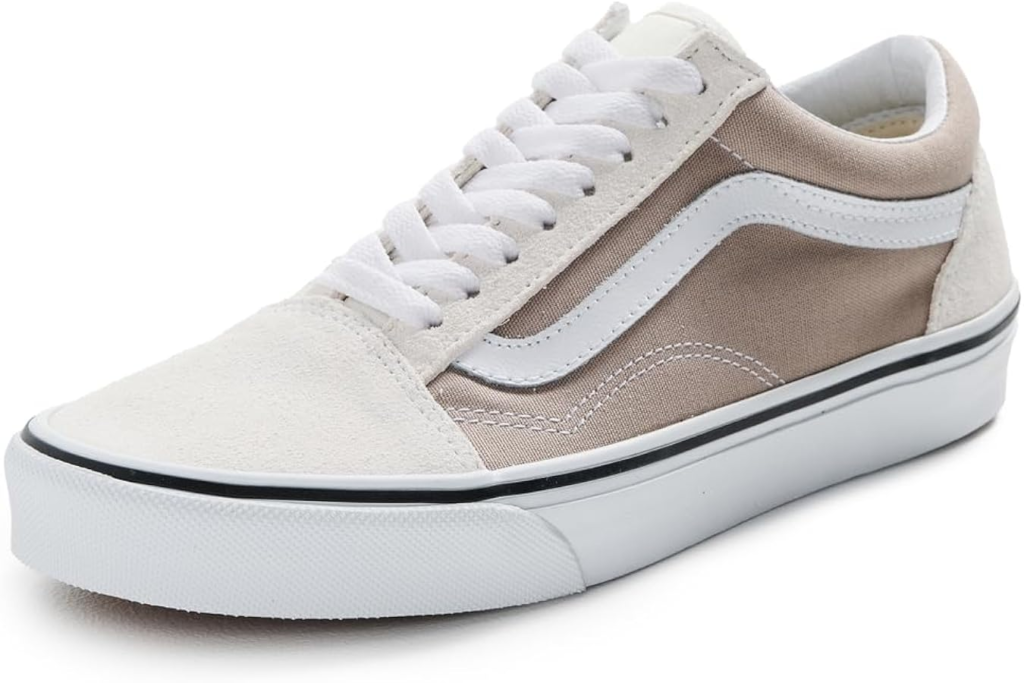
Vans was one of the rare sneaker brands that transcended subcultures. Skaters wore them. Students wore them. Office workers wore them.
At its peak under VF Corporation, Vans generated more than $3 billion annually and became the most valuable brand in VF’s portfolio.
That success has faded.
Revenue declined sharply, and the brand became a drag on its parent company’s overall financial performance.
The response included widespread store closures and a major restructuring initiative known as Project Reinvent.
The deeper issue is that Vans built much of its empire around a small group of iconic silhouettes. Once those styles saturated the market, consumer excitement faded.
New products have shown some promise, but not enough to offset declining demand for the brand’s core offerings.
Number 1: Converse
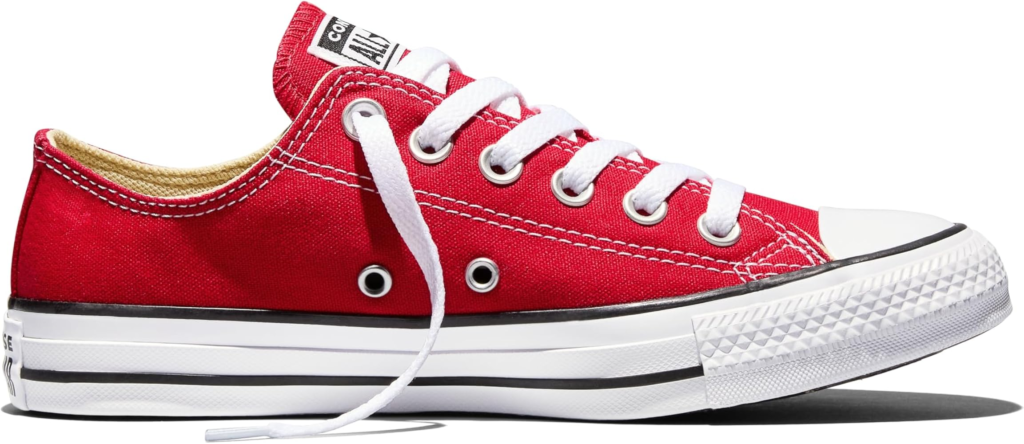
Converse may be the most alarming case because it is owned by Nike, the largest footwear company in the world.
Despite access to Nike’s supply chain, marketing resources, and distribution network, Converse has experienced steep declines.
Revenue fell dramatically across all regions. Annual sales dropped from approximately $2.4 billion to $1.7 billion within a few years.
Quarter after quarter, the declines accelerated.
Nike responded with restructuring efforts, job reductions, and organizational changes.
Some analysts have even discussed the possibility of Nike eventually selling Converse.
The Chuck Taylor remains one of the most recognizable sneaker silhouettes in history, but recognition alone does not generate revenue.
Converse became available almost everywhere, from department stores to discount outlets. The resulting oversaturation diluted brand equity and weakened consumer demand.
Conclusion
That is the pattern across every brand on this list.
Oversaturation kills exclusivity. Exclusivity drives desire. Desire drives revenue. And when revenue disappears, so does the brand.
Seven names. Billions in combined losses. Thousands of jobs eliminated. Hundreds of stores shuttered.
The sneaker industry itself is not shrinking. Global athletic footwear remains a massive market.
The money did not disappear. It migrated.
Brands such as On, Hoka, ASICS, and New Balance absorbed market share that these struggling companies lost.
The question now is whether these legacy brands can reinvent themselves before the decade ends, or whether they will become case studies in how quickly relevance can vanish in the sneaker business.