

If you walk into any watch boutique in the world today, the salesperson is going to start throwing words at you. Torbjon, perpetual calendar, ratant, minute repeater. They will say these words like you should already know what they mean. And most of the time, they’re betting that you don’t because once you don’t understand what you’re looking at, the price tag stops feeling crazy. So, let’s fix that. In the next 14 minutes, you’re going to understand every major watch complication on the market, which ones actually matter, which ones are mostly marketing, and which ones genuinely justify spending the price of a house on a wristwatch.
Number one, power reserve.
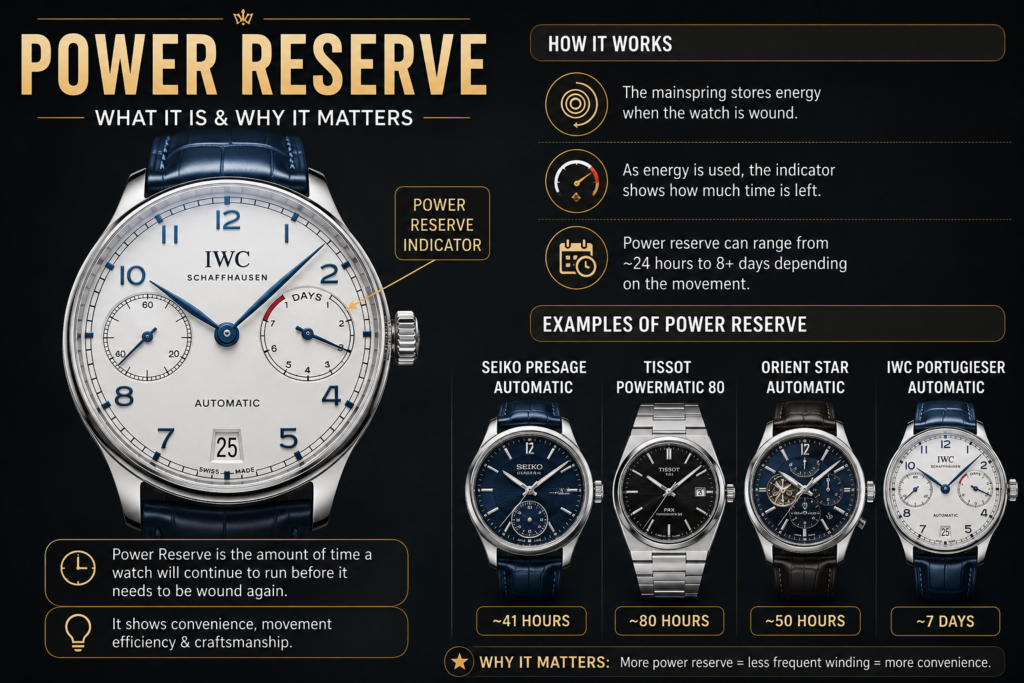
Let me start with the simplest one because almost every collector underestimates how useful it is. Power reserve is exactly what it sounds like, a small indicator on the dial, usually shaped like a fuel gauge, that tells you how much wind is left in the main spring. When the needle is at full, your watch is fully wound. When it drops toward empty, you have hours, sometimes minutes, before the watch stops running. Sounds boring. It isn’t. If you own an automatic watch and you rotate between two or three pieces in your collection, the power reserve indicator is the single most useful thing on the dial. It tells you whether you can grab the watch off the box and walk out the door or whether you need to wind it for 30 seconds first. A standard automatic gives you about 40 hours of reserve. The good ones now offer 70 hours, which means you can take it off Friday night and still have it ticking Monday morning. Anything over 5 days is showing off, but it’s the kind of showing off that genuinely improves daily ownership.
Number two, the chronograph
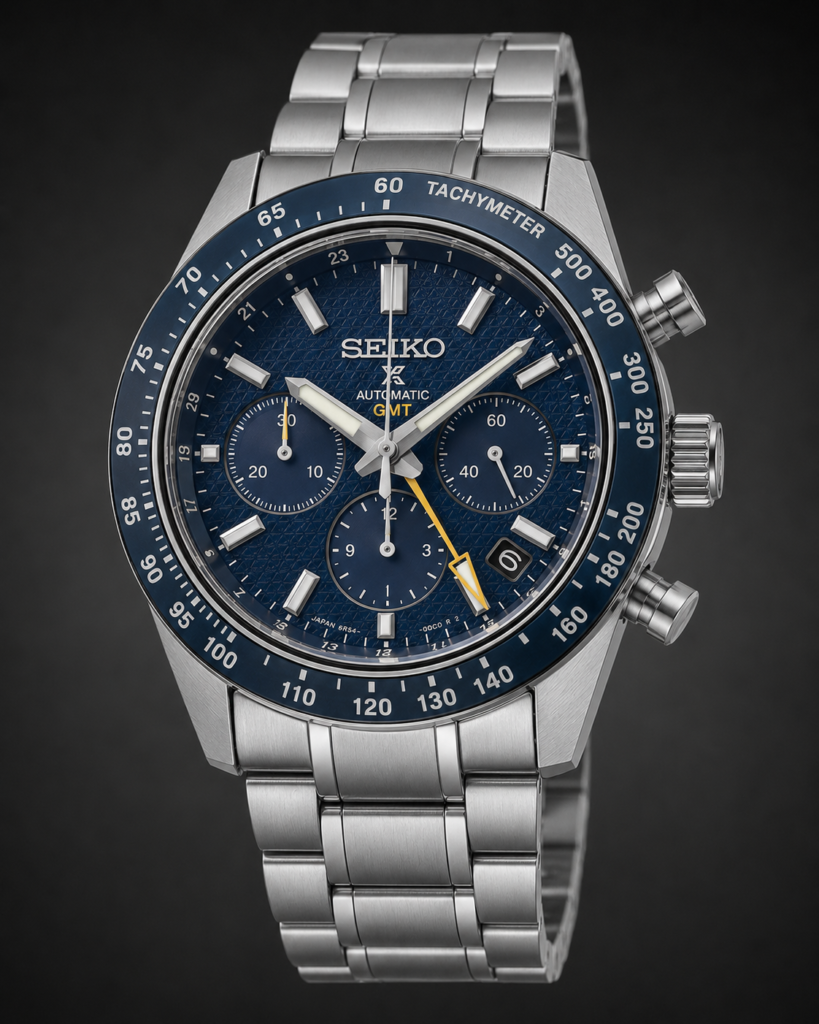
A chronograph is a stopwatch built into the watch. You have two pushers on the side of the case. One starts and stops the timing. The other resets to zero. The sub dials on the dial track elapsed seconds, minutes, and sometimes hours. Now, every brand has a chronograph. Rolex Daytona, Omega Speedmaster, Otmarp Pig Royal Oak Chrono. They look similar from across a room, but underneath the dial, there’s a real engineering difference between a column wheel chronograph and a cam actuated one. Column Wheel chronographs feel smoother when you press the pusher. There’s a tactile click almost like a fountain pen. Cam actuated chronographs do the same job for less money with a slightly stiffer push. The serious watch makers will tell you the column wheel is the proper way. The accountants will tell you it costs three times more to build. Both are right. What chronographs are not in 2026 is necessary. You have a phone. The chronograph is style, history, and craftsmanship. That is the entire reason it still exists. And that’s a good enough reason.
Number three, the GMT.
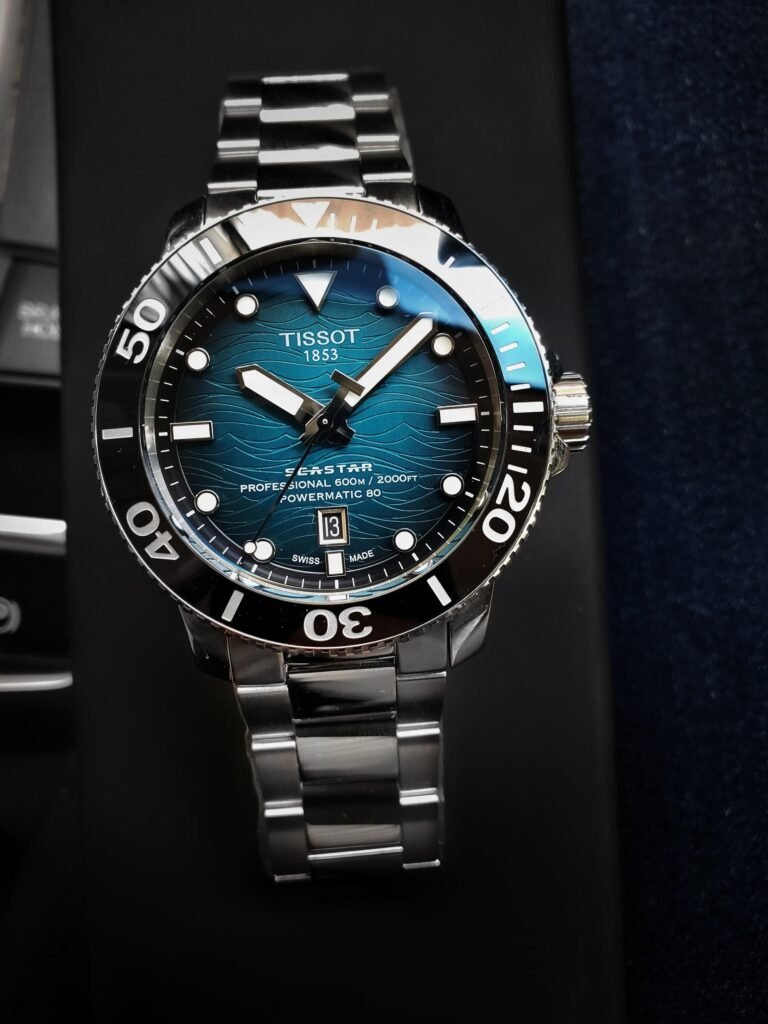
The GMT Complication adds a second time zone to the dial using a fourth hand, usually the brightly colored one, that points to a 24-hour scale. You set it to a different time zone and read both at once. Rolex made the GMT Master famous in the 1950s when Pan Am pilots needed to track home time and destination time during transatlantic flights. The two-color bezel, blue and red, on the original, separated day from night. But here’s where the watch industry plays a quiet trick on you. Watch Complications There are two kinds of GMT. The true GMT, sometimes called the flyer GMT, lets you adjust the local hour hand independently, while the GMT hand keeps tracking home time. You land in Tokyo, you click the crown, the local hand jumps an hour at a time without disturbing anything else. The office GMT, sometimes called the caller GMT, makes you adjust the GMT hand instead. Sounds the same. It isn’t. If you actually travel, the Flyer GMT is the only one worth buying. If you sit at a desk and just want to know what time it is in London while you’re in New York, the Office Greenwich Meantime is fine. The price difference is real, and most buyers don’t know the distinction even exists.
Number four, the annual calendar
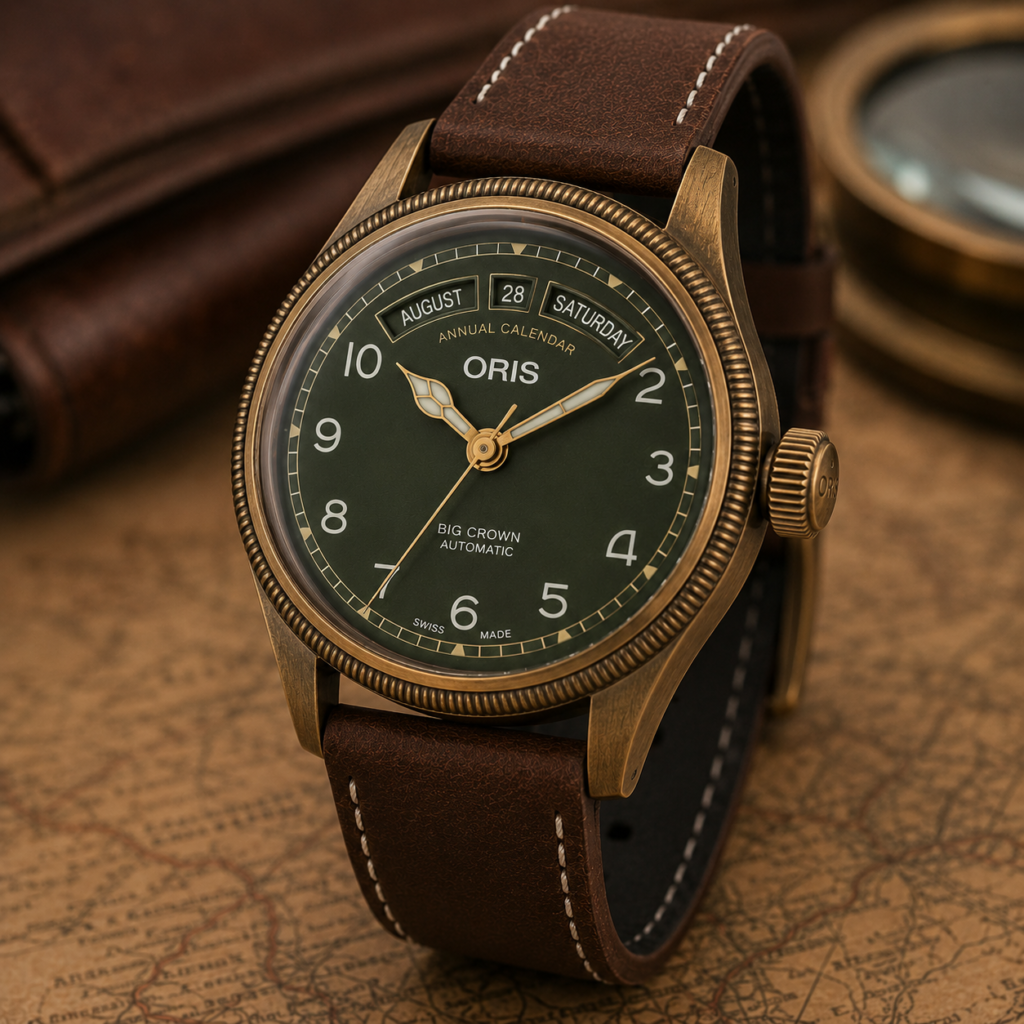
The annual calendar tracks day, date, and month, and it correctly handles the difference between 30 and 31-day months automatically. So, when April 30th ends, the watch jumps to May 1st without you doing anything. Same with June, September, November. The one month it can’t handle is February. Once a year, on the 1st of March, you have to advance the date by 1 or 2 or 3 days, depending on whether the previous February had 28 or 29. That’s it. Once a year of fiddling. Watch Complications Patek Philippe introduced the modern annual calendar in 1996 with reference 5035. It became one of the most copied complications in the industry because it gave buyers 90% of the perpetual calendar’s usefulness at a fraction of the cost. If you want a calendar watch and you’re not trying to set a record for complexity, the annual calendar is the smart buy.
Number five, the moon phase
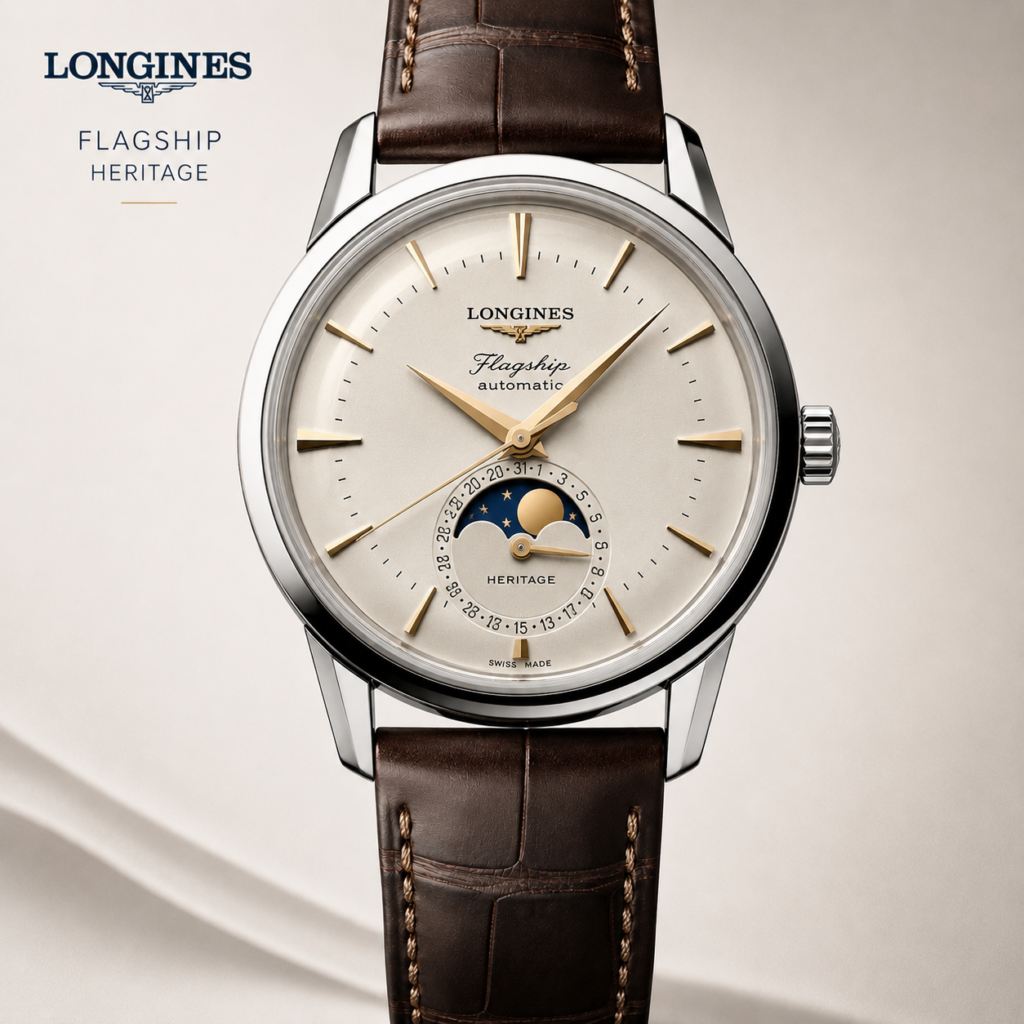
The moon phase shows the current phase of the moon through a small aperture in the dial, usually a half circle window with a rotating disc behind it. The disc has two moons painted on it, golden against a starry blue background, and it slowly rotates as time passes. I’ll be straight with you, nobody needs a moon phase. Unless you’re a fisherman or a farmer in 1870, the lunar cycle has no impact on your day. The moon phase exists because it’s beautiful and because a well-made one drifts only one day every 122 and a half years instead of every 2 and a half. That obsession with accuracy on something completely useless is oddly exactly what watchmaking is about. If you’ve stayed with me this far, you already care more than the average buyer in a boutique. Subscribe to the channel so you don’t miss the deep dives where I break down individual movements and the brands actually doing this work properly.
Number six, the jumping hour.
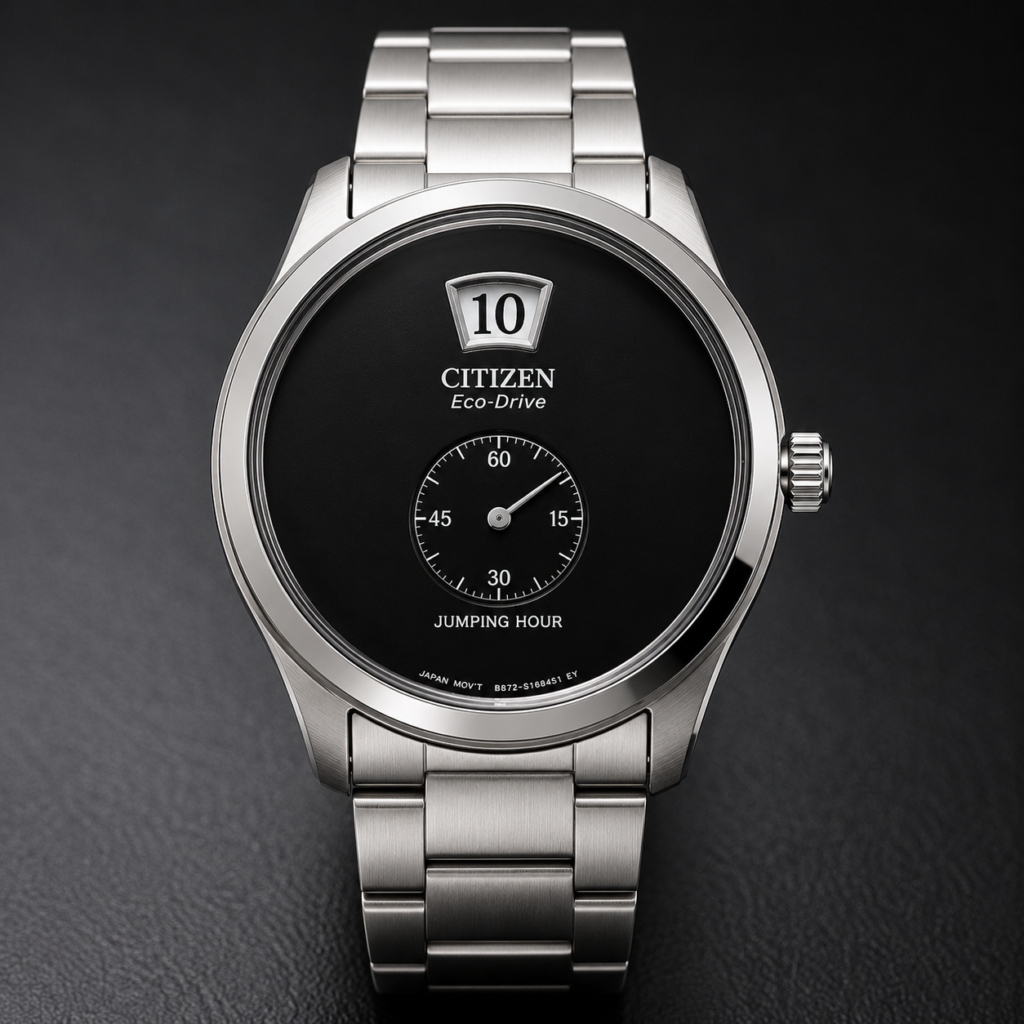
Now we move from the romantic to the genuinely strange. A jumping hour watch has no traditional hour hand. Instead, the current hour appears in a small window on the dial, often at the top, and at the moment it changes, it physically jumps to the next number. 12 flips to one in a fraction of a second. Watch Complications The minute hand keeps sweeping like normal. The challenge is energy. Making a small disc snap forward instantly takes a burst of force that the main spring has to be ready to deliver. Most jumping hour movements include a dedicated power reserve specifically to handle that jump, and a poorly built one will drag through the change instead of snapping cleanly. Brands like Audemars Piguet, Vacheron Constantin and the smaller independent makers like FP Journe build excellent jumping hour pieces. They are not common, they are not cheap, and they are immensely satisfying to wear because every hour is a tiny event on your wrist.
Number seven, the tourbillon.
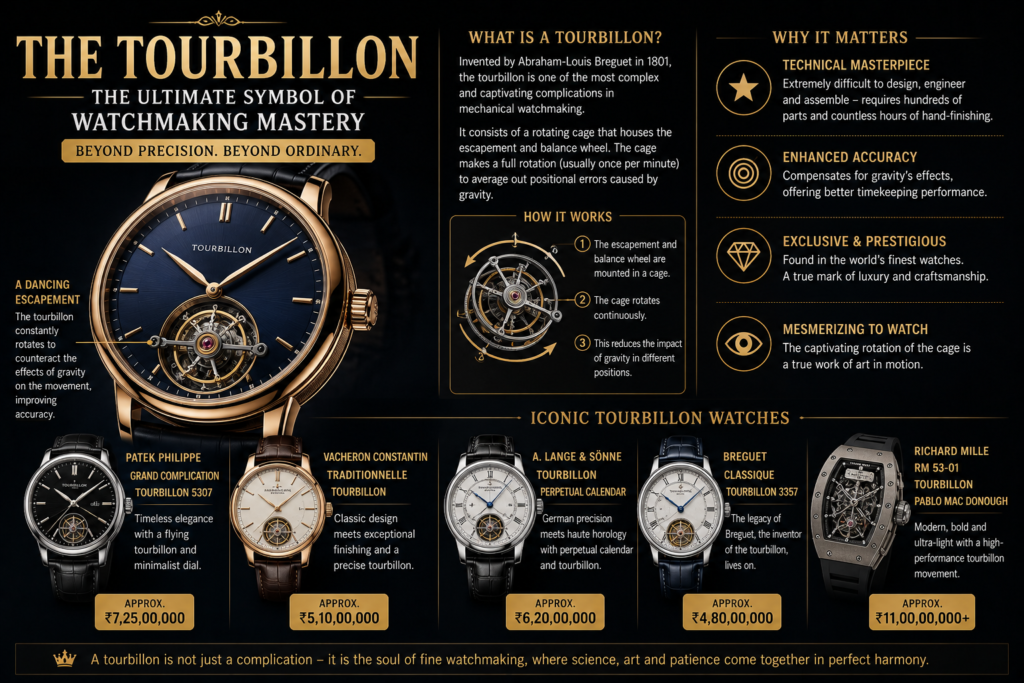
The tourbillon is the most marketed and least understood complication in the entire industry. So pay attention here. A tourbillon is a small rotating cage that holds the balance wheel and escapement, the parts of the movement that regulate timekeeping. The cage typically rotates once per minute. Abraham Louis Breguet invented it in 1801 to solve a real problem. Pocket watches, which spent their lives sitting upright in a vest pocket, were affected by gravity pulling on the balance wheel in one direction. Rotating the whole assembly averaged out the gravitational error. Now, here is the part the boutique salesperson will not tell you. A wristwatch moves around all day. Your wrist rotates. You drive, you type, you walk, you wave. The position of the balance wheel is already constantly changing, which means the original problem the tourbillon solved is mostly already solved by your arm. Watch Complications So, why does the tourbillon still cost $200,000? Because it’s hard to make. A tourbillon cage is one of the most delicate, intricate assemblies in mechanical watch making. And watching it spin under a sapphire window on the dial is genuinely beautiful. You’re paying for the craftsmanship, the finishing, and the visual theater. That is fine. Just know what you’re buying.
Number eight, the rattrapante.
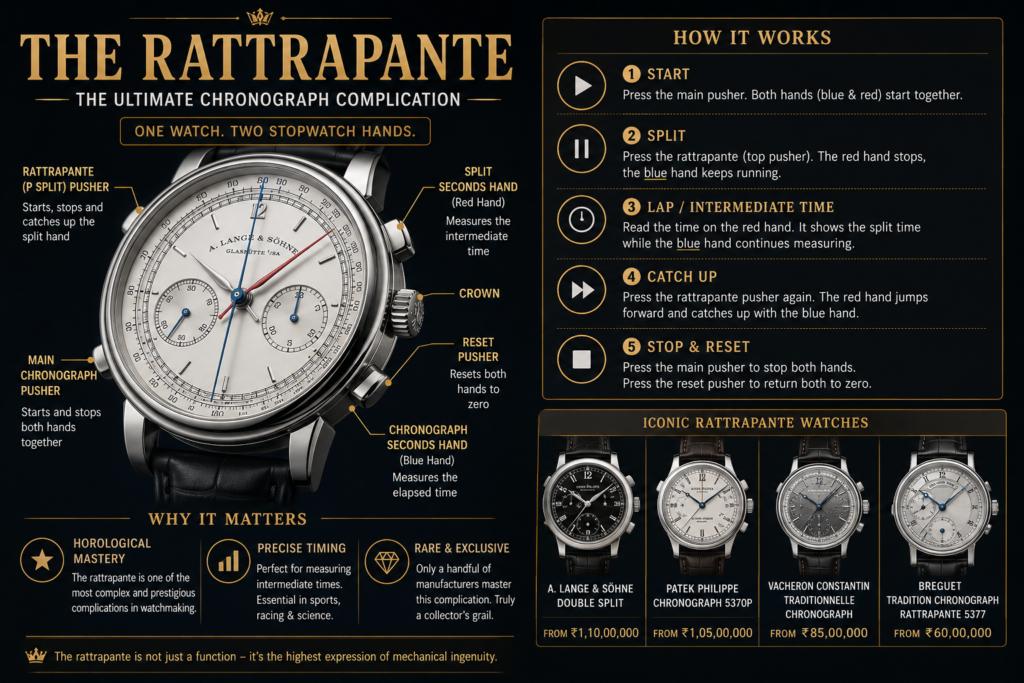
The rattrapante is the split seconds chronograph and it is one of the most mechanically demanding complications in modern series production. It looks like a regular chronograph except there are two seconds hands stacked on top of each other. the start pusher and both hands sweep together. a third pusher and one hand stops while the other keeps going. Press it again and the stopped hand jumps forward to catch up to the moving one. So you can time a primary event and split off to time a secondary event all without resetting. Race timing, lap timing, two cars crossing a finish line 3 seconds apart. That’s what the rattrapante was built for. Patek Philippe, A. Watch Complications Lange & Söhne and Vacheron Constantin make the most respected ones. Lange double split, which adds a second pair of stacked minute hands, is one of the most overengineered watches ever produced, and it’s a piece of work that even other watch makers stare at.
Number nine, the perpetual calendar.
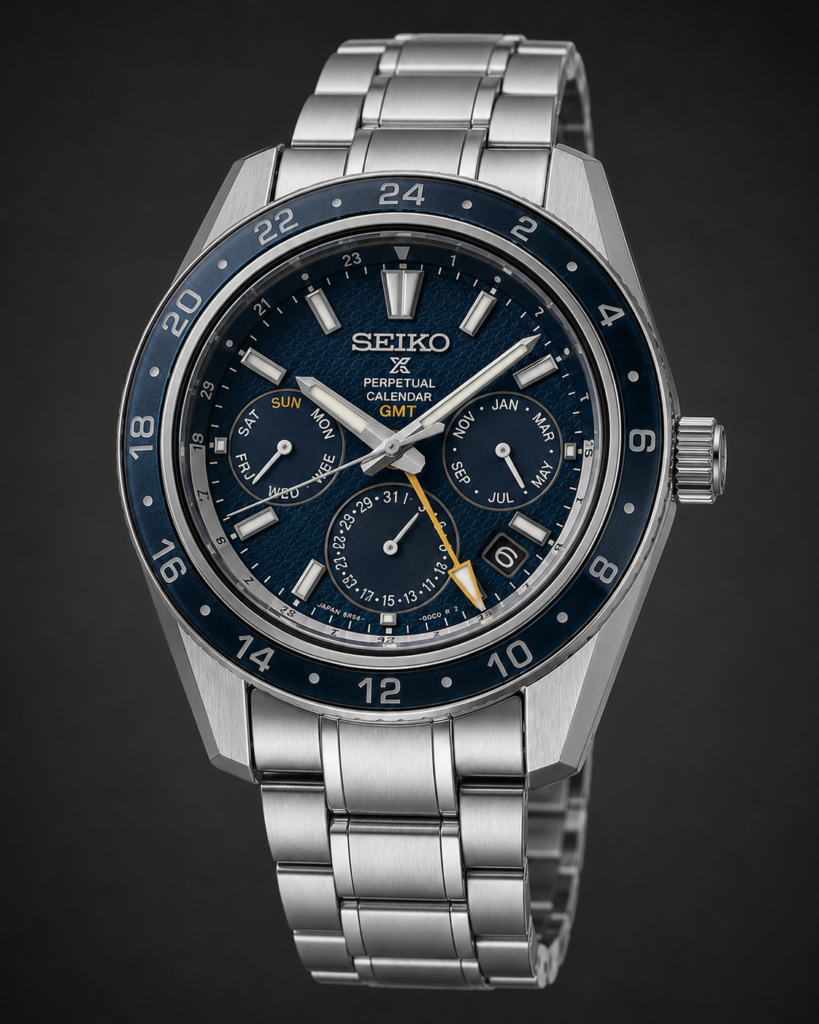
The perpetual calendar tracks the day of the week, the date, the month and the 4-year leap year cycle. It knows that February has 28 days in normal years and 29 in leap years. Most movements are programmed correctly all the way through the year 2100, which due to a quirk in the Gregorian calendar, is not a leap year despite being divisible by four. The mechanical achievement here is genuine. A perpetual calendar movement contains hundreds of tiny components programmed to recognize the irregular rhythm of human timekeeping using nothing but gears, levers, and cams. There’s no chip. There’s no battery. The watch reads the calendar by physically grinding through it. Watch Complications The catch, if you stop wearing the watch and let it wind down, getting it back in sync is genuinely painful. You have to advance day, date, month, and leap year position separately. Sometimes through dozens of pusher clicks. Most owners just pay their watchmaker to do it. A perpetual calendar from a top maker starts around $80,000 and goes up from there. It is in my opinion the most genuinely impressive complication in regular production. The tourbillon is theater. The perpetual calendar is real engineering.
Number ten, the minute repeater.
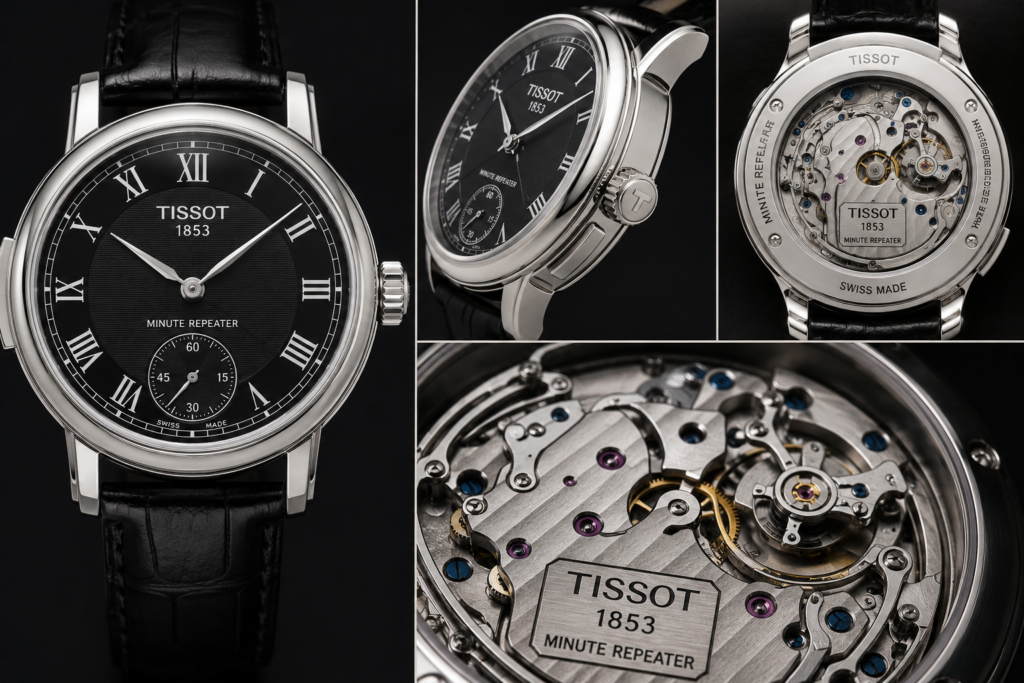
This is the king. The most expensive, the most labor-intensive, the most prestigious complication in mechanical watchmaking. A minute repeater chimes the current time on demand using two tiny hammers striking two tiny gongs inside the case. You activate it with a slide on the side of the case, and the watch announces the hours with a low tone, the quarter hours with a double tone, and the minutes past the last quarter with a high tone. So, at 12:37, you’d hear 12 hours, 2 quarters, and 7 minutes, all in sequence. The reason repeaters are so absurdly expensive is that the sound itself is the product. Every gong is hand-tuned. The case material affects the resonance. Watch Complications Steel sounds different from gold. Gold sounds different from titanium. Titanium sounds different from platinum. Watch makers spend weeks adjusting the geometry of the hammers to get the right tone, the right rhythm, and the right pause between strikes. Patek Philippe minute repeaters routinely cross $500,000. The grand complications that combine a minute repeater with a perpetual calendar and a tourbillon can pass 3 million.
So that’s every major complication you’re going to encounter in the watch world. Power reserve, chronograph, GMT, annual calendar, moon phase, jumping hour, tourbillon, rattrapante, perpetual calendar, and minute repeater. Here’s my honest take. Watch ComplicationsThe complications worth the money for daily use are the GMT, the annual calendar, and a properly built chronograph. The ones worth the money as collector pieces are the perpetual calendar, the rattrapante, and the minute repeater. The tourbillon is theater. The moon phase is poetry. And the jumping hour is the quiet weirdo that almost nobody buys but everyone respects. You don’t need to own all of these. You probably shouldn’t even try. But the next time you walk into a boutique and someone tries to dazzle you with vocabulary, you’ll know exactly what they’re selling and exactly what it is.