
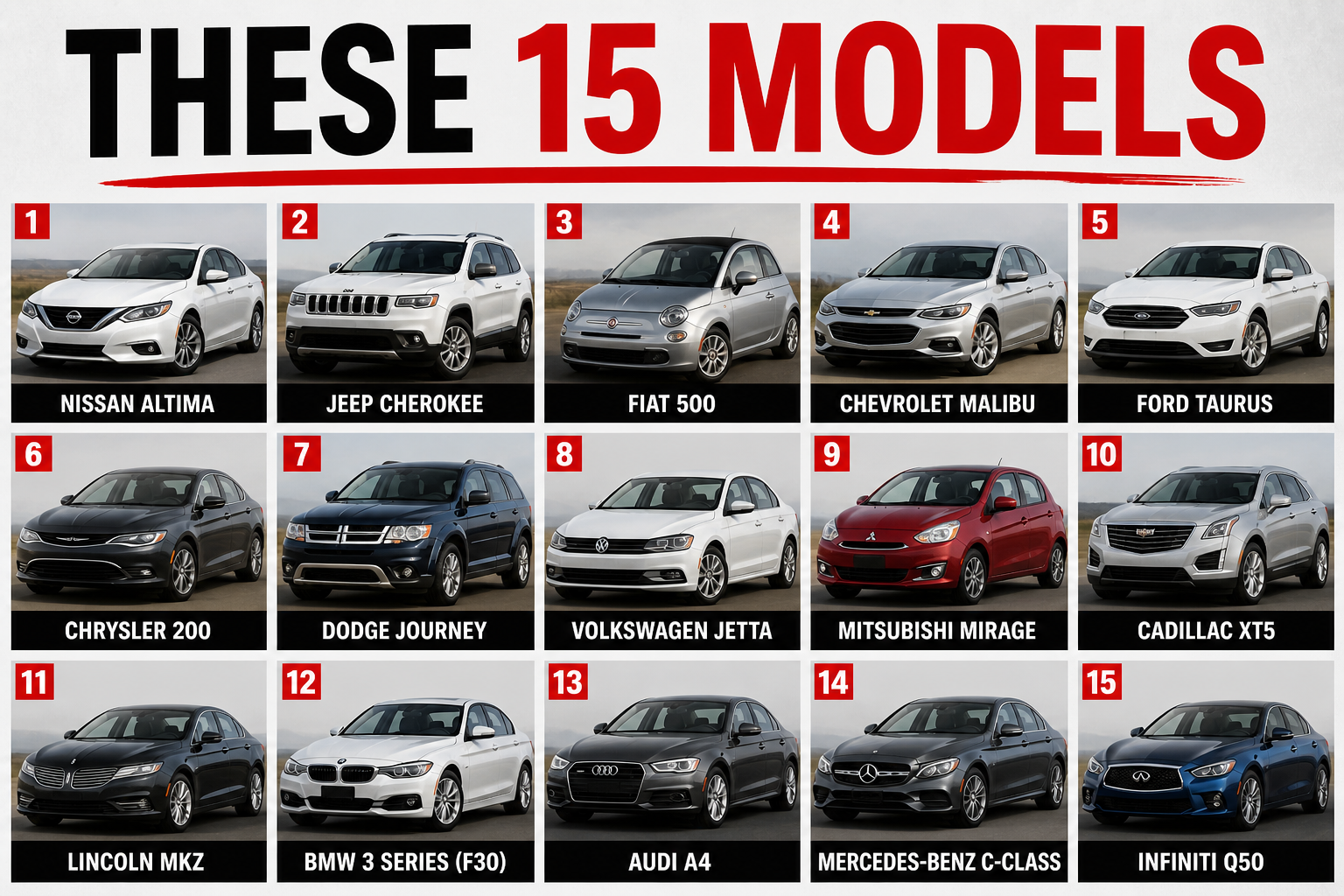
normal people in general lose money is on new cars. Some cars don’t just lose value, they become flatout worthless.
I’m talking about brand new cars from 2023 and 2024 that have turned into financial nightmares. [snorts] If you bought one of these, you could be trapped underwater on your loan right now, owing thousands more than your car is worth. We’re seeing losses of 50%, 60%, even 80% in as little as 1 year.
Today, I’m breaking down the 15 cars that will be barely worth anything in 2026.
Okay, let’s go from bad to worse.
Number 15, Ford F-150 Lightning.
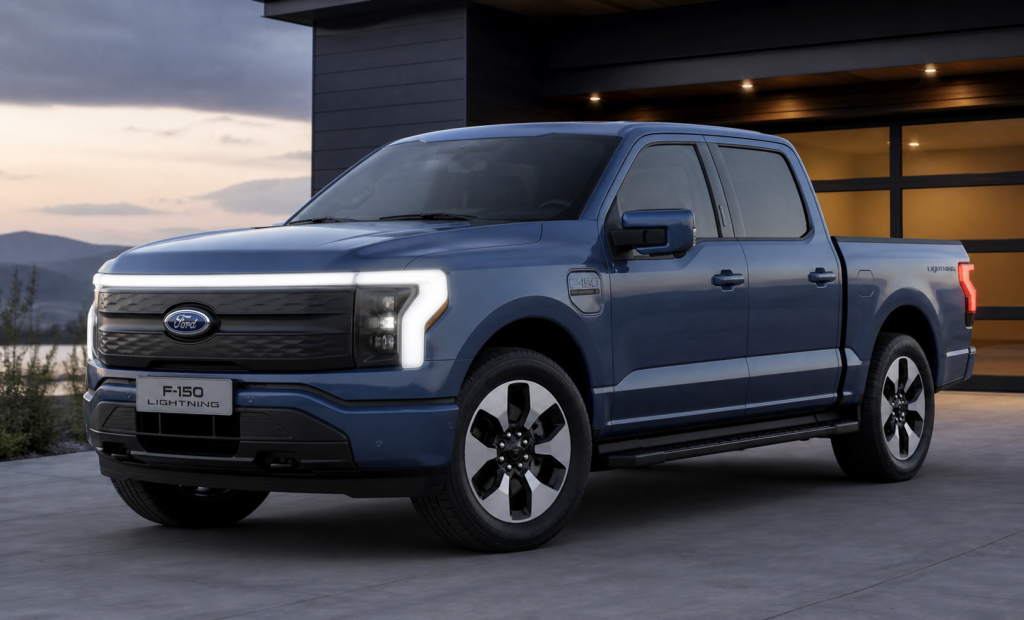
Ford electrified America’s bestselling pickup, then watched it fail spectacularly. WORTHLESS Now The Lightning sheds 47% from its original price of $74,558 in less than 2 years
$35,000 vanishing into thin air. Here’s why nobody wants them. Cold weather obliterates range. One owner started with 149 mi of range on a 37° morning. After driving just 64 mi, not towing anything, he had 37 mi left. He lost 112 mi of range driving 64 mi.
Towing performance is even worse. Hook up 3,700 lb and travel 32 mi. You’ll burn through 90 miles of range. That’s three times worse efficiency than not towing. Traditional truck buyers wanted proven F-150 durability, not range anxiety.
Now it gets worse. Ford is considering cancelling the Lightning entirely. Production already halted for 2 months. Dealer lots overflow with 100 days of unsold inventory. When a manufacturer considers killing a product this quickly, resale values don’t recover. They crater further.
Number 14, Jeep Grand Wagoneer.
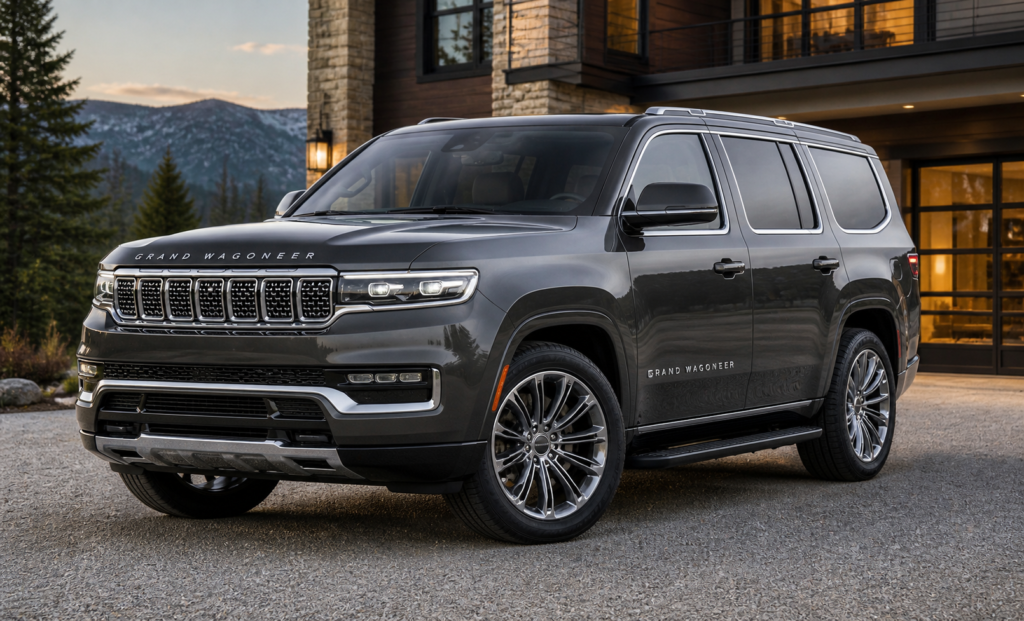
Jeep’s ultra luxury SUV was supposed to compete with the Escalades. At $103,100, it certainly had the price tag. But with a 48% value collapse, that’s nearly $50,000 gone.
The Grand Wagoneer has become a financial sinkhole. Stellantis has been in freefall. Massive recalls, quality issues, and reliability nightmares across their lineup have destroyed brand trust. The Grand Wagoneer got caught in the undertow.
Then there’s the identity crisis. Who buys a $100,000 plus Jeep? Escalade buyers want Cadillac prestige. Mercedes GLS buyers want German luxury. The Grand Wagoneer tries to split the difference and ends up appealing to almost no one.
Here’s the real problem. Stellantis dealers were desperate to move these things. They offered massive discounts, $15,000 to $20,000 off MSRP on brand new Wagoneers. WORTHLESS Now When brand new models are selling at huge discounts, used values don’t stand a chance.
Number 13, Genesis GV60.
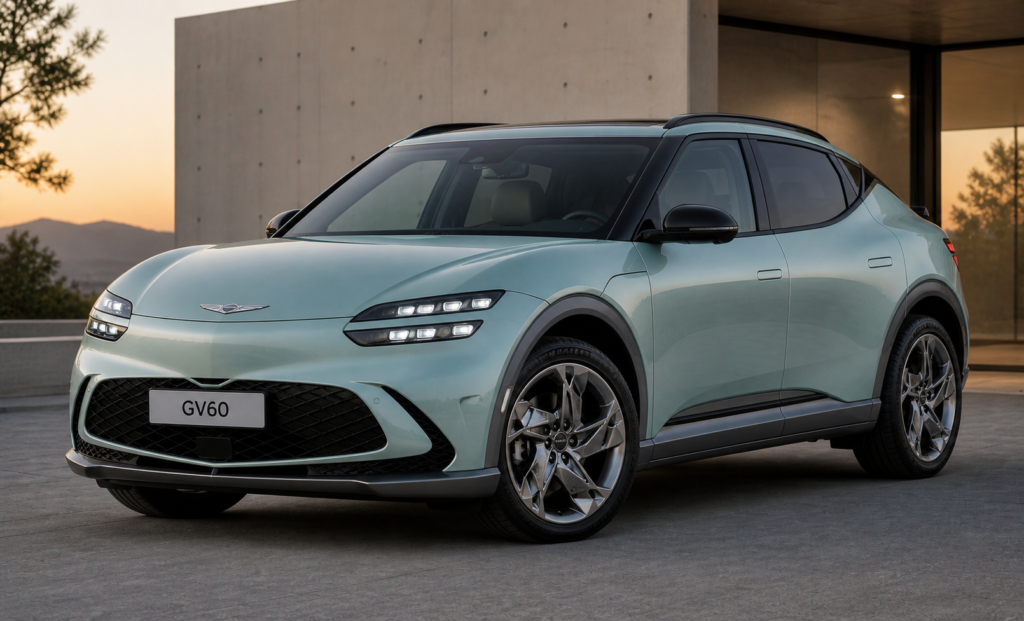
Genesis launched their first dedicated EV with optimism. The market responded with indifference. The GV60 value plummets 49% from $63,738.
$31,000 erased. The electric crossover is plagued with catastrophic quality issues. WORTHLESS Now One 3-year owner documented 10 major system failures. Every single one remains unfixed.
The driver’s display randomly shuts off in cold weather, leaving you with no speedometer. Genesis recalled every vehicle in their lineup for this exact safety defect except the GV60.
Here’s the terrifying part. Phantom emergency braking. The car will suddenly slam the brakes in the middle of intersections during turns, completely disabling itself while cross traffic approaches.
The phone-as-key feature rarely works. Power outlets fail. One owner spent nearly 100 days driving loaner vehicles over two years while dealerships repeatedly claimed no issues found.
Beautiful engineering that nobody wants. Fatal combination.
Number 12. Tesla Cybertruck.
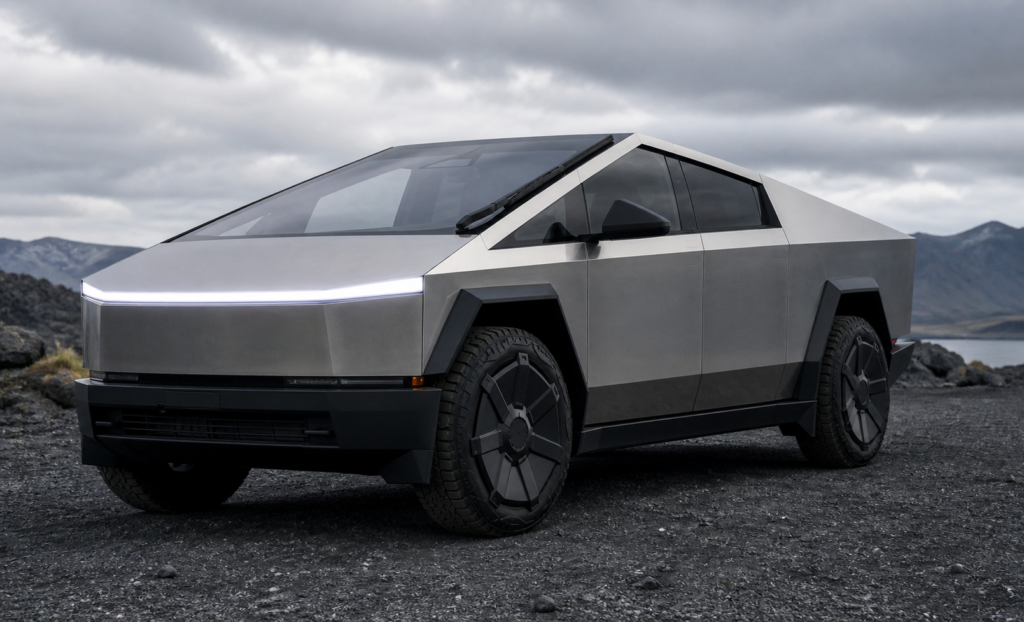
“Demand is so far off the hook you can’t even see the hook,” Elon boasted in July 2023. WORTHLESS Now Two years later, the Cybertruck has proven a disaster.
It loses 50% of its value in less than 2 years. Over a million people reserved spots in line. Elon promised Tesla’s best ever product with revolutionary stainless steel design. Reality delivered something else entirely.
For many, the Cybertruck looks like it was designed by a third grader with a pen and ruler. That sharp, blocky design alienated actual truck buyers, contractors, ranchers, and tradespeople who need work vehicles.
Early speculators flipped Cybertrucks for massive profits in late 2023. Within months, those same trucks lost tens of thousands in value. Tesla ramped production so aggressively they created months worth of inventory backlogs nobody wanted.
Quality problems surfaced within weeks of launch. Panels rusted, parts failed. Owners documented issues faster than Tesla could deny them. When Tesla started offering rebates on brand new inventory, used values collapsed completely.
Number 11, Toyota BZ4X.
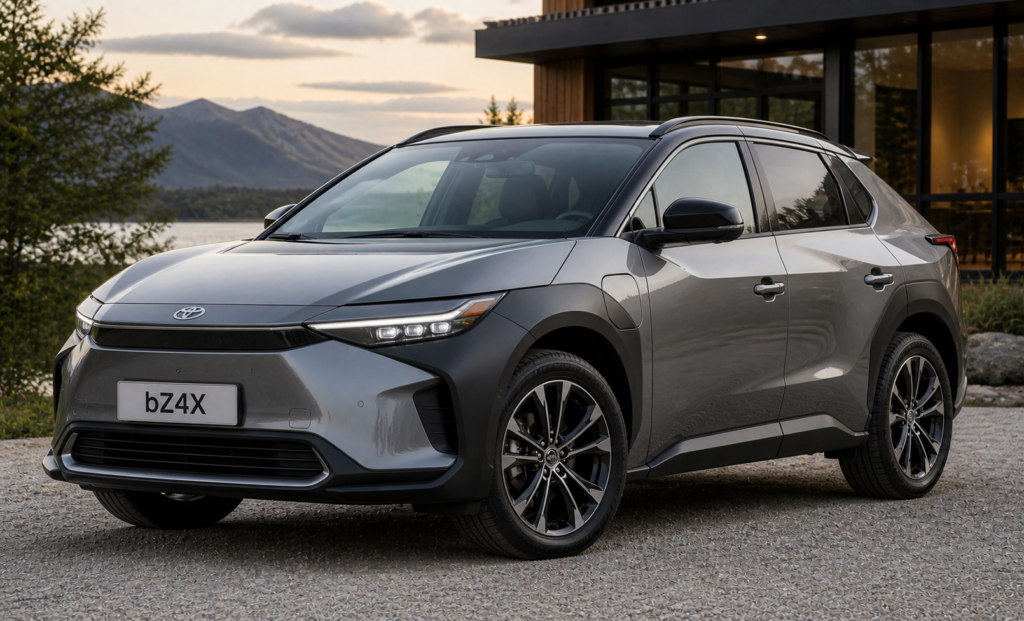
Toyota’s first serious EV attempt loses 50% value from $42,713.
Over $21,000 gone. The BZ4X’s launch was a disaster. WORTHLESS Now Toyota recalled every single model because the wheels could literally detach while driving.
Yes, the wheels could fall off. That’s not a minor issue. That’s a catastrophic safety failure that destroyed buyer confidence before the car even had a chance.
Charging is painfully slow. While Hyundai and Kia use 350 kW fast chargers, the BZ4X tops out at 100 to 150 kW using yesterday’s technology.
Range tops out at 228 miles, mediocre at best. The regenerative braking system fails regularly. Owners describe the car leaping forward during acceleration when the system malfunctions, a genuine safety hazard depending on traffic.
The BZ4X proved Toyota can fail at EVs as spectacularly as anyone else.
Number 10, Dodge Hornet.
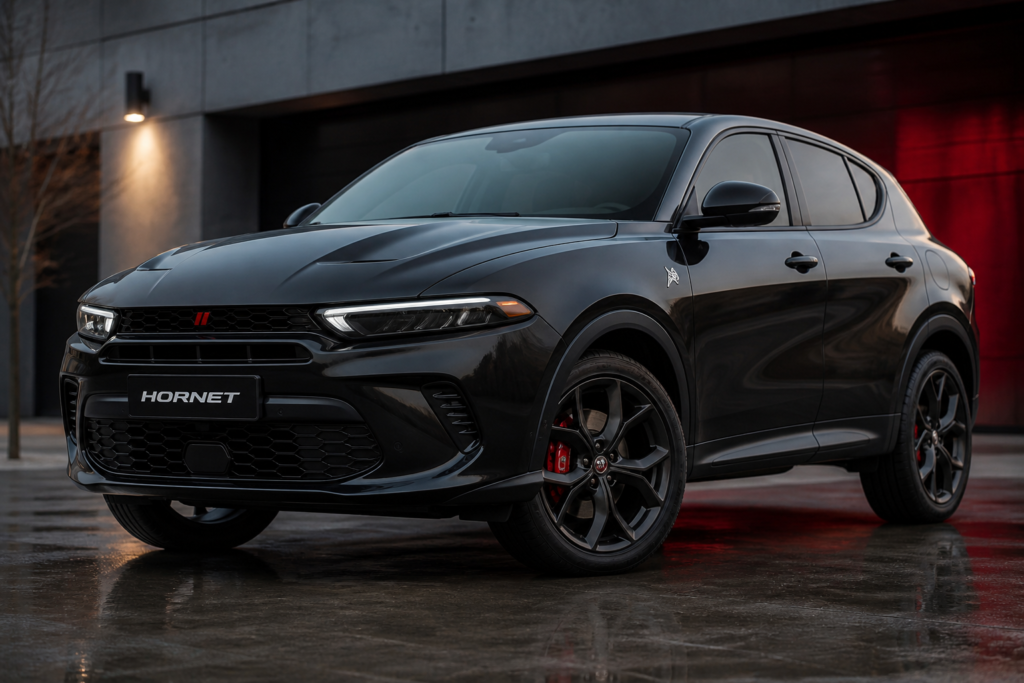
51% value loss. Dodge rebadged an Alfa Romeo Tonale, added a different grille, and called it American muscle. Buyers saw through the deception immediately.
The Hornet hemorrhages 51% from $38,871. Owners lost $20,000 in value in less than 2 years.
The electrical system is an absolute disaster. Owners report dashboards going completely blank. Cruise control deactivates constantly. Alarms trigger randomly, infuriating neighbors.
One owner’s Hornet died completely after 6 months. The dealership discovered 20 different error codes simultaneously active.
Another owner had four dealership visits in 6 months for the same electrical issue, with the car sitting at the shop for over a month straight.
Stellantis had 323 days worth of Hornet inventory sitting at dealerships. Dodge loyalists feel betrayed. Practical crossover shoppers choose proven Honda and Toyota alternatives.
Number nine, BMW iX.
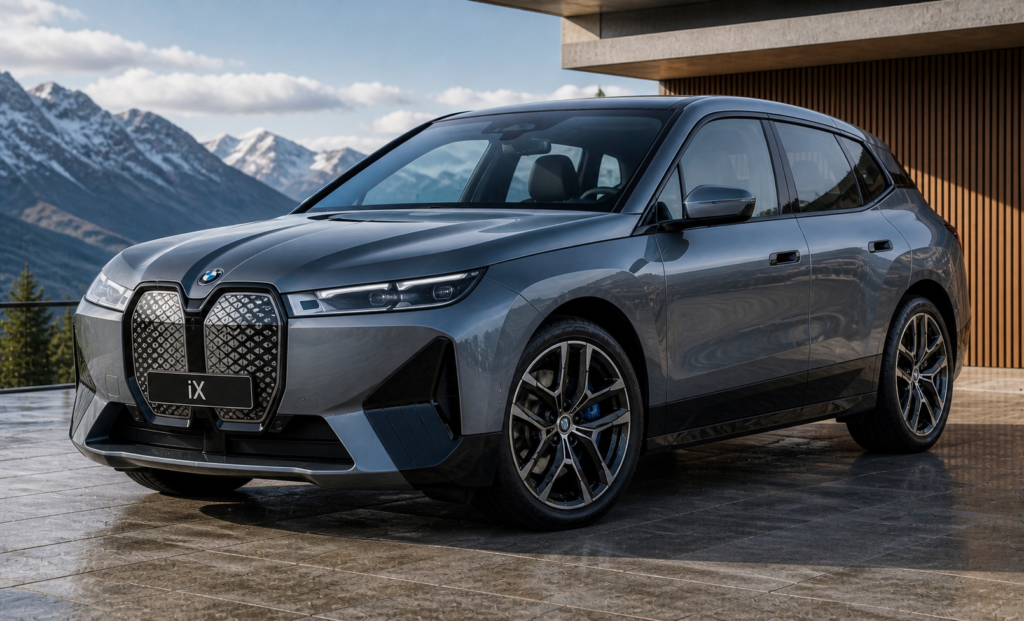
BMW’s flagship electric SUV carries a price tag of $114,592.
It’s supposed to represent the pinnacle of German electric engineering. WORTHLESS Now Instead, it represents a $54,000 lesson in why even prestigious badges can’t save you from EV depreciation.
The iX’s styling is divisive. Those massive kidney grilles look like angry beaver teeth. Inside, it’s luxurious but overcomplicated with touch-sensitive surfaces that frustrate more than they impress.
BMW flooded dealers with high inventory desperate to jump on the EV bandwagon. With no federal tax credit on imported EVs, they pushed aggressive lease deals.
$1,000 down, $700 a month for a $115,000 SUV. Those leases are maturing now, dumping thousands of 2-year-old iXs onto a market that doesn’t want them.
One owner bought an iX xDrive50 for $118,000 and traded it 18 months later for $56,000.
His words: “Never again. I’ll stick with a gas X5.”
The iX is a capable EV. It’s just not $105,000 capable, and the resale market has made that brutally clear.
Before we continue, if you agree automakers went way too far pushing EVs nobody wanted, hit that like button.
Number eight, 2024 Audi RS e-tron GT.
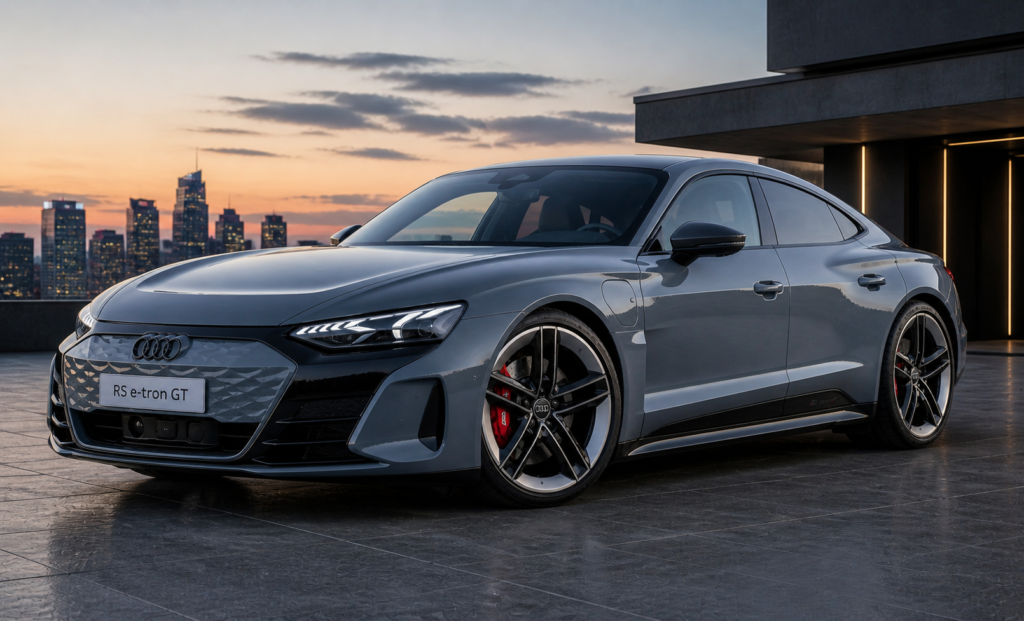
Audi’s electric supercar promised Porsche Taycan performance with Audi luxury, all for $168,295.
Instead, it delivered one of the worst depreciation hits in the luxury EV segment. A 53% freefall that’s left owners with vehicles worth $79,000.
That’s an $89,000 loss. Let that sink in. WORTHLESS Now You could buy a new BMW M3 Competition with that kind of money, and the M3 would actually hold its value.
The RS e-tron GT is essentially a Porsche Taycan Turbo S with Audi badges and styling. But here’s the problem. The Taycan is the more desirable car.
Better performance, better brand cache in the EV space, and stronger resale values. Why pay Taycan money for the less desirable alternative?
Audi’s EV lineup has been a mess. The e-tron SUV flopped. The Q4 e-tron underperformed. Buyers have lost confidence in Audi’s electric ambitions, and that uncertainty crushes resale values.
Number seven, Alfa Romeo Giulia.
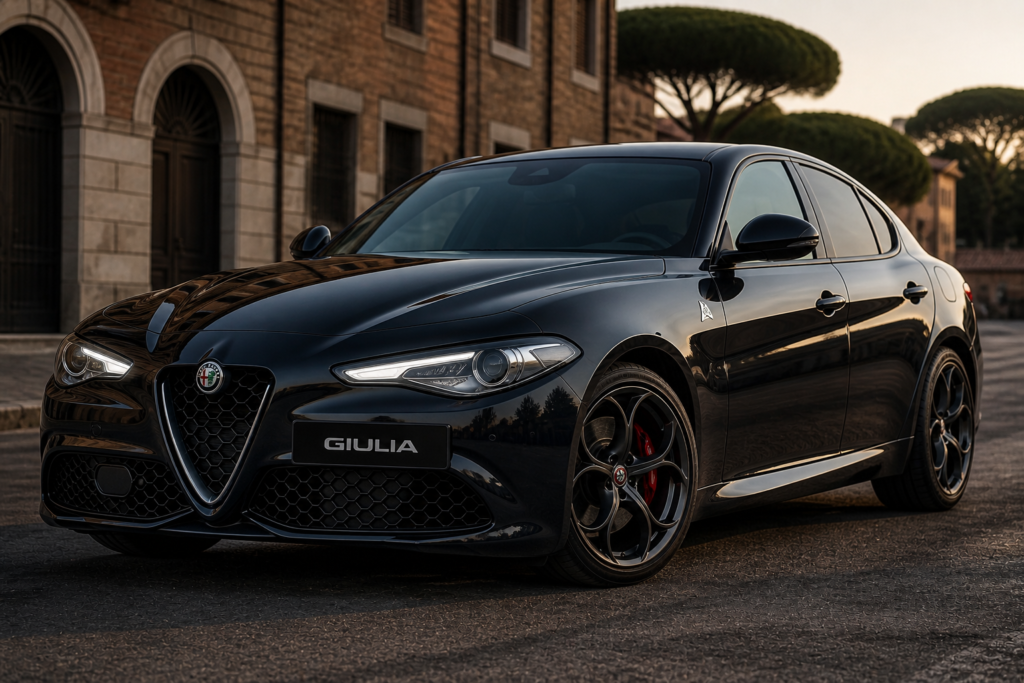
The Giulia drives beautifully. It breaks frequently.
This combination produces 54% depreciation from its original price of $51,490.
Alfa Romeo owners report more service appointments than oil changes. Electronic throttle failures, bricked engine computers, random limp mode activations. The horror stories accumulate.
Trade-in values fluctuate wildly between $24,000 and $36,000 for identical 2024 models.
The Giulia competes with the BMW 3 Series, Mercedes C-Class, and Audi A4. All three have better tech, more reliable reputations, and significantly better resale values.
The Giulia has to sell for thousands less just to get considered.
Number six, Nissan Ariya.
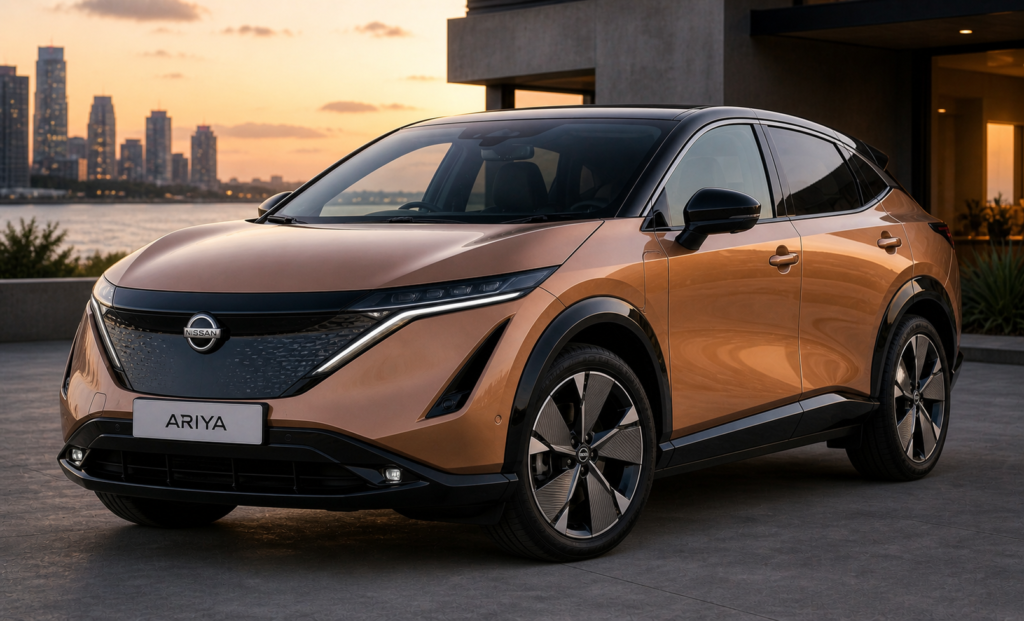
Nissan’s electric comeback crashes 54% from $50,381.
$27,000 erased. The Ariya arrived at the worst possible time.
Here’s the problem. It’s an imported EV launching right after tariffs hit and emissions rules disappeared. Automakers were already losing money trying to sell EVs. Now they don’t have to anymore.
The Ariya became disposable overnight. Sales tanked. Nissan panicked and slashed prices on 2025 models, destroying 2024 buyer equity overnight.
Then came the final blow. Nissan discontinued the Ariya in America for 2026. No future support. No long-term parts availability, just orphaned owners watching values crater.
Real listings document the carnage. An Ariya that sold for $48,500 new lists for $22,300 after one year.
That’s 54% obliterated in 12 months.
Number five, Jaguar I-Pace.
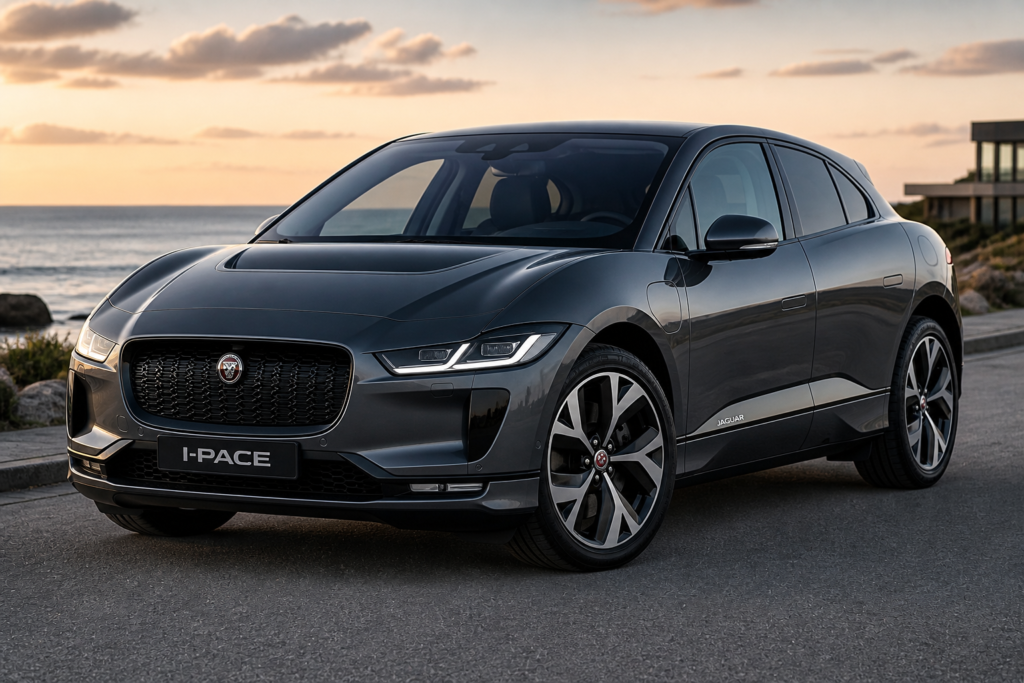
Jaguar’s Tesla competitor aged disastrously. The I-Pace loses 58% from $73,750.
Over $43,000 gone. Jaguar announced the I-Pace’s discontinuation as they pivot to ultra luxury EVs exclusively.
Orphaned models have no future support, no parts availability, no value retention.
The I-Pace charges at 100 kW maximum. Modern EVs hit 250 plus kW. What takes competitors 20 minutes requires 45 in an I-Pace.
The I-Pace pioneered the luxury EV SUV segment. It just couldn’t survive it.
Number four, Mercedes EQS SUV.
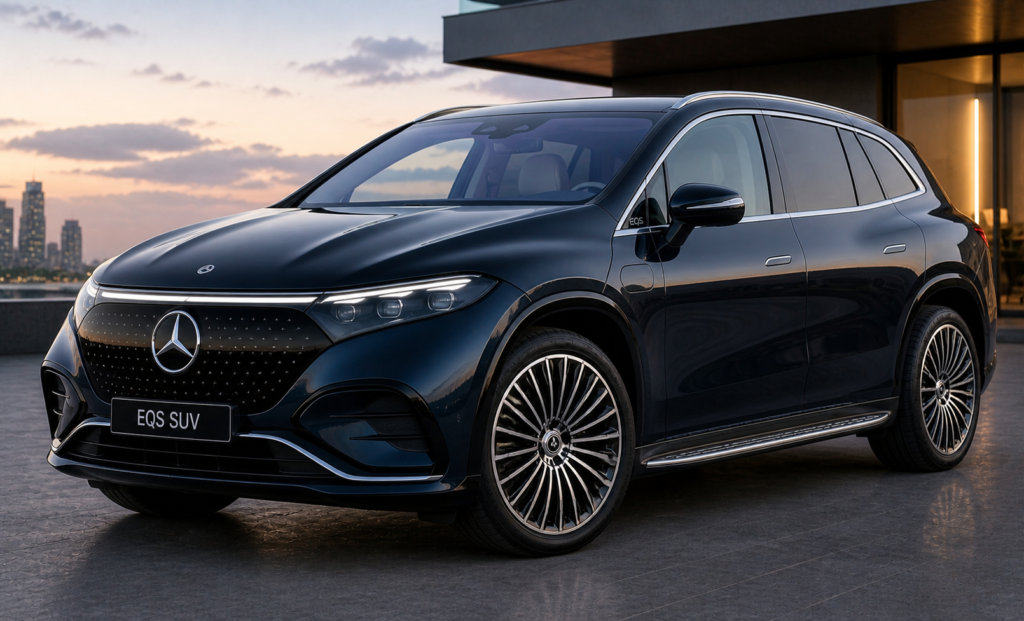
Mercedes positioned the EQS SUV as the electric S-Class. It became the electric embarrassment, shedding 61% from $108,650.
Reviewers nicknamed it “the driving egg.”
That aerodynamic shape alienated traditional S-Class buyers seeking road presence and prestige.
At $110,000 plus, buyers anticipated S-Class luxury. They received cheap plastics, cramped third row seats, and overcomplicated technology interfaces.
Hidden ownership costs destroy remaining value. The EQS SUV devours tires. Owners report replacing 21-inch tires every 15,000 to 20,000 miles due to the 5,600 lb weight.
At $1,200 to $1,500 per set, this terrifies used buyers.
Low mileage examples from 2022 to 2023 trade around $60,000 despite sticker prices exceeding $125,000.
Losing $66,000 in 2 years transcends depreciation. It’s financial obliteration.
Number three, Maserati Levante.
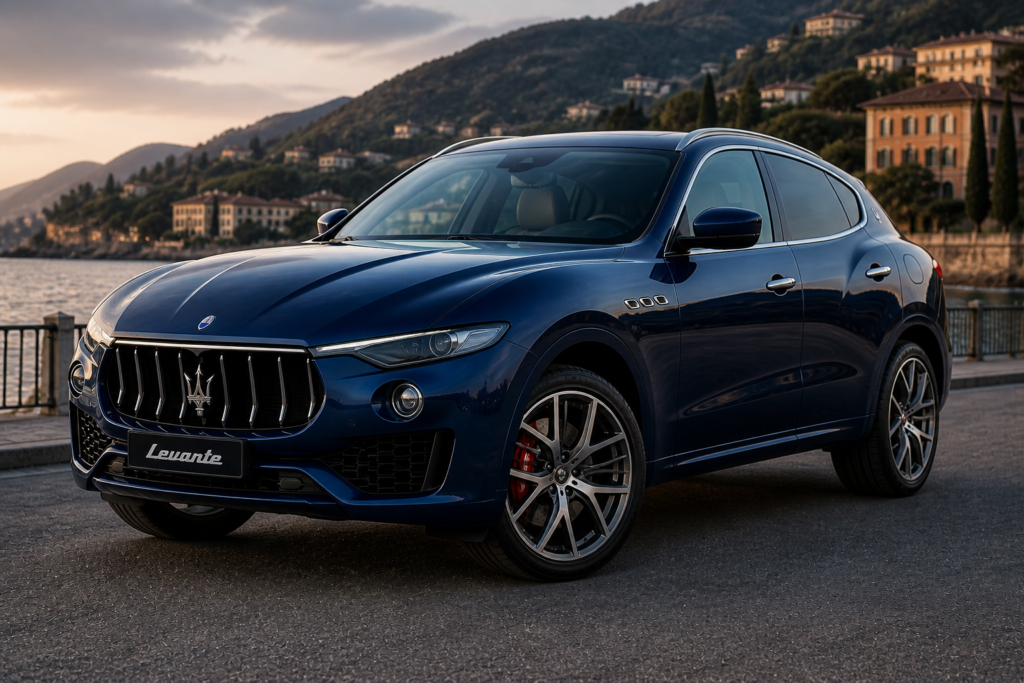
The Levante exemplifies value destruction. With 70% loss from $92,000 to $130,000, financed buyers went underwater instantly.
Up to $91,000 evaporated.
Insurance averages $6,000 annually. Fuel consumes $2,500 yearly at 15,000 miles. Oil changes cost $500. Brake jobs run $3,000.
Maserati ranks dead last in reliability surveys consistently.
The 2024 Levante marks the final model year. Maserati eliminated the line. Dead models have dead resale.
Five-year data shows 74% value loss with most damage occurring in years 1 and 2.
The Levante carries Ferrari-derived engines. Its resale value resembles economy car territory.
Number two, Toyota Mirai.
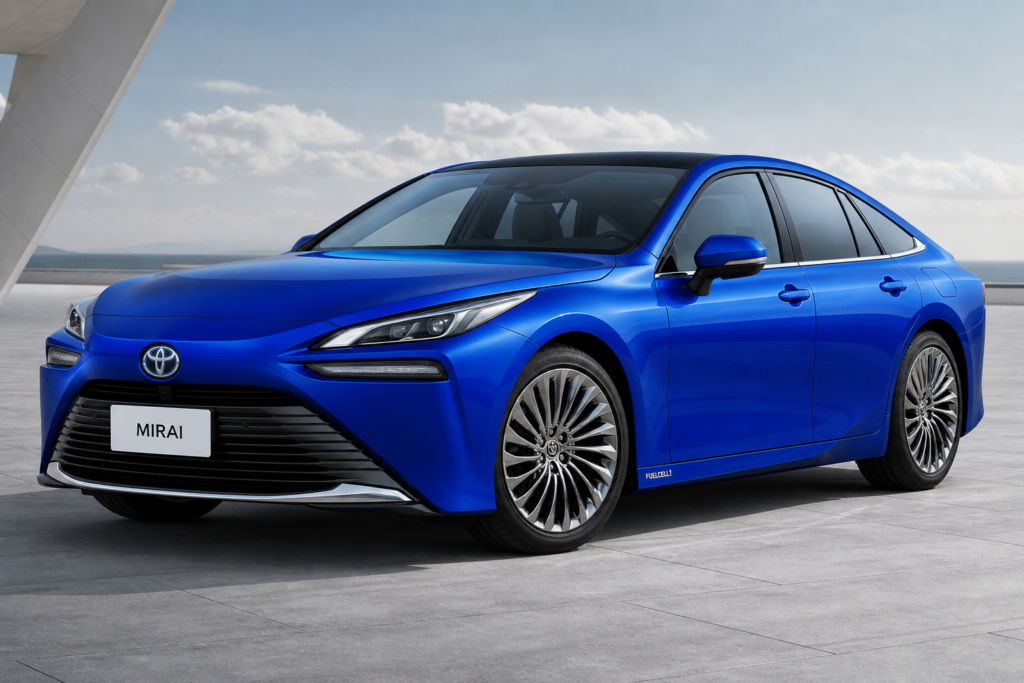
The Mirai represents hydrogen passenger car failure in America, suffering 77% collapse from $64,190.
Used Mirais list for $7,000 to $10,000. Some dealers offered $1,000 trade-ins. Others refuse Mirai trade-ins entirely.
How does Toyota reliability royalty create America’s most worthless car?
Shell permanently closed its California hydrogen stations in February 2024. This eliminated significant refueling capacity in the only state selling Mirais.
Hydrogen pricing tripled from $13 per kilogram in 2022 to $36 in 2024.
Full tanks cost $180, triple gasoline’s per mile expense.
Owners report spending 2 to 3 hours driving 22 miles to refuel. Stations malfunction constantly. Frozen pumps lock onto vehicles for hours. Hydrogen supply runs dry for days.
Owners filed class action lawsuits claiming Toyota misrepresented hydrogen infrastructure availability.
One owner stated, “Not in my wildest nightmares would I expect purchasing from giant Toyota would turn out so terrible.”
Cars that can’t refuel are definitionally worthless.
Number one, Fisker Ocean.
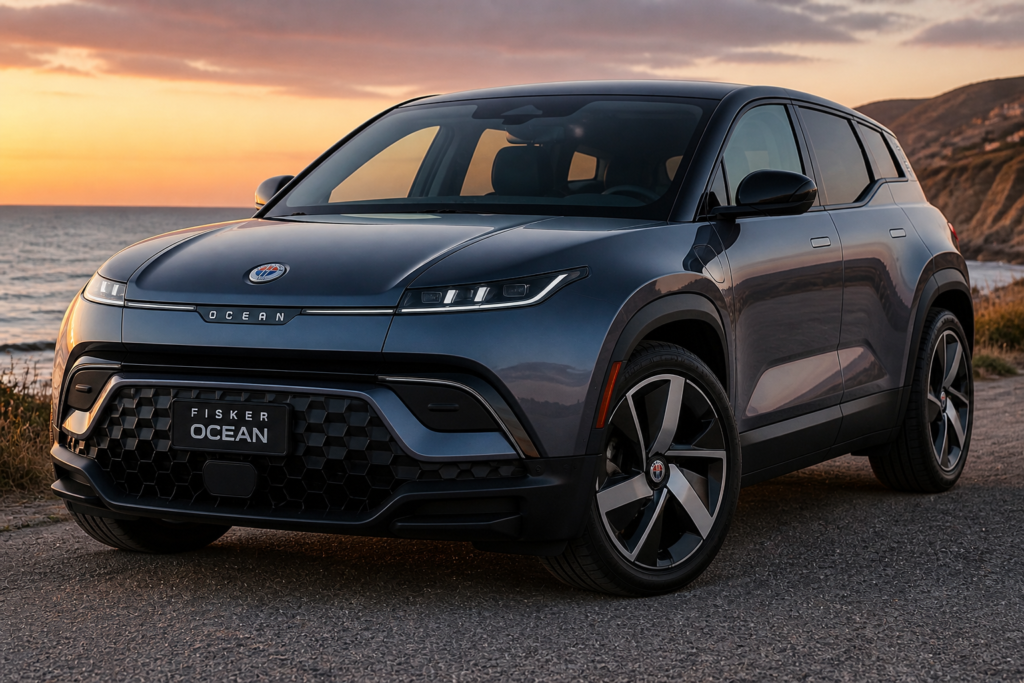
Here it is, the absolute worst. The Fisker Ocean holds the crown for catastrophic depreciation, losing 80% of its value in under two years.
Models that cost $41,437 to $63,937 are now selling for $8,000 to $12,000.
When Fisker Inc. filed bankruptcy in June 2024, the Ocean became a digital brick risk.
Modern vehicles are software-defined machines requiring cloud servers for over-the-air updates. Without Fisker hosting those servers, Oceans risk becoming static objects.
The collapse wasn’t mechanical. It was digital.
Key fobs fail unlocking vehicles. Advanced driver assistance systems ceased functioning. The signature rotating central screen randomly freezes or blacks out.
The Fisker Ocean isn’t just the worst depreciating car of 2025. It’s one of the worst depreciating vehicles in automotive history.
A cautionary tale about hype, poor execution, and the dangers of buying from a startup with shaky finances.
That’s a wrap. Which shocked you most?
Share thoughts in the comments. If you found this video valuable, hit that like button. It genuinely helps the channel grow. And don’t forget to subscribe so you catch our next breakdown.
Thanks for watching. See you next time.