If you’re over 60 and shopping for a used car, you’re probably being steered toward the wrong vehicles. Dealers love selling older buyers overpriced, certified, pre-owned SUVs loaded with features they don’t need and repair bills they didn’t see coming. Dirt-Cheap Cars But what if I told you there are reliable pre-owned cars and SUVs hiding in plain sight for cheap? And many of them are easier to get in and out of, simpler to drive, cheaper to ensure, and built to last. In fact, the top four vehicles on today’s list are so dependable, owners joke they need nothing but oil changes.
So, without further ado, let’s get into the best cheap pre-owned cars and SUVs perfect for seniors.
Number 10 — Subaru Forester
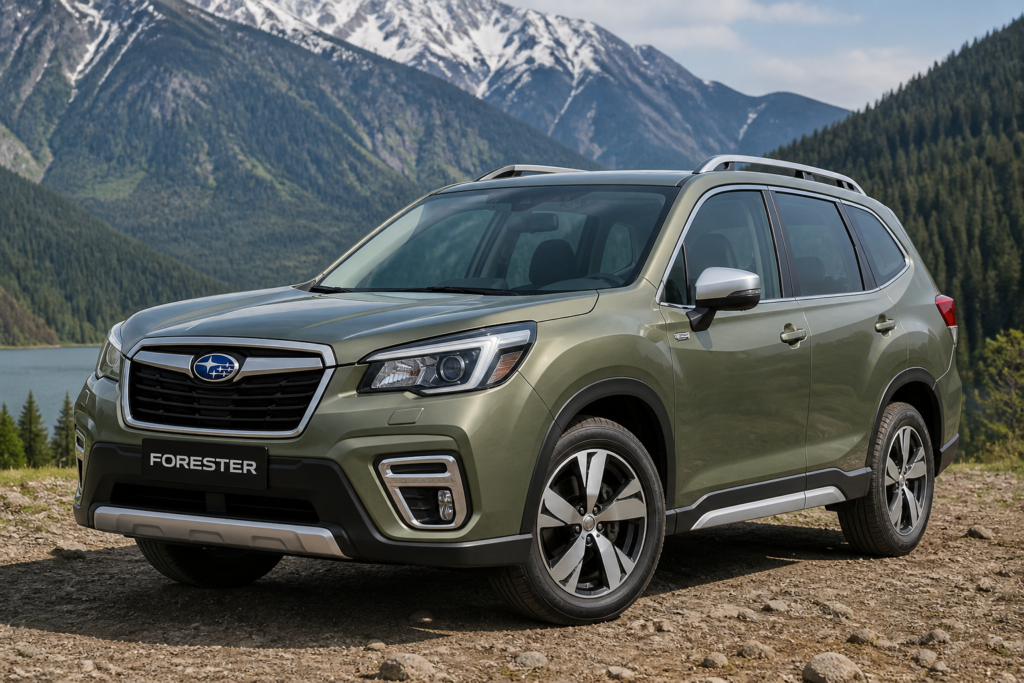
Kicking things off with the Forester. And honestly, this one earns its spot based on one thing alone: visibility. Subaru specifically engineered the A-pillars on this generation to be as thin as possible and the windows are almost comically tall. The result is what people call the fishbowl effect. Dirt-Cheap Cars You can see everything. For a driver who might have some neck stiffness, or just doesn’t want to crane around looking for blind spots, this is a massive deal.
Add in standard all-wheel drive, a seating position that’s high enough to see clearly, but not so high you need to climb up into it, and door sills that are low enough to swing your legs out without any contortion, and you’ve got a genuinely practical car for someone living in a rainy or snowy climate.
Number 9 — Mercury Grand Marquis and Ford Crown Victoria
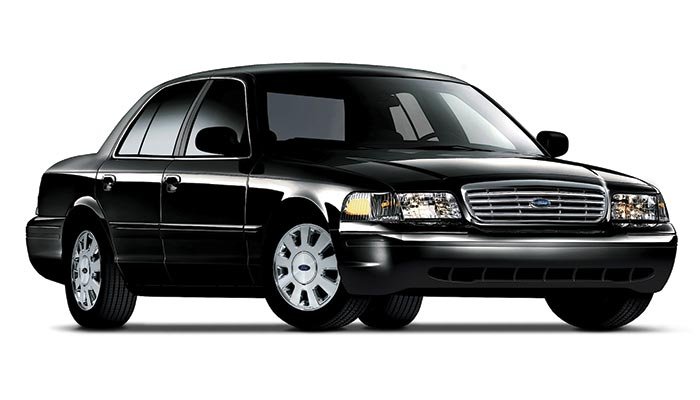
Old school, absolutely, but there’s a reason these things keep showing up on lists like this. The Grand Marquis and Crown Vic are built on the Panther platform, a full body-on-frame setup with a heavy steel chassis that translates into a ride quality that genuinely feels like a living room couch.
Potholes, expansion joints, rough pavement — you barely feel any of it. The front seat is a real 40/20/40 bench. No big center console to awkwardly step over. Dirt-Cheap Cars If you’re parked in a tight spot, you can literally slide across and get out the other side. That’s a feature that’s basically extinct in modern cars.
The trunk is enormous, over 20 cubic feet. You can pack for a trip and still have room. And because these were police and taxi fleet vehicles for decades, every mechanic in the country knows the 4.6L V8. Parts are everywhere and they’re cheap, simple, durable, and easy to fix. That’s the whole pitch.
Number 8 — Toyota Camry
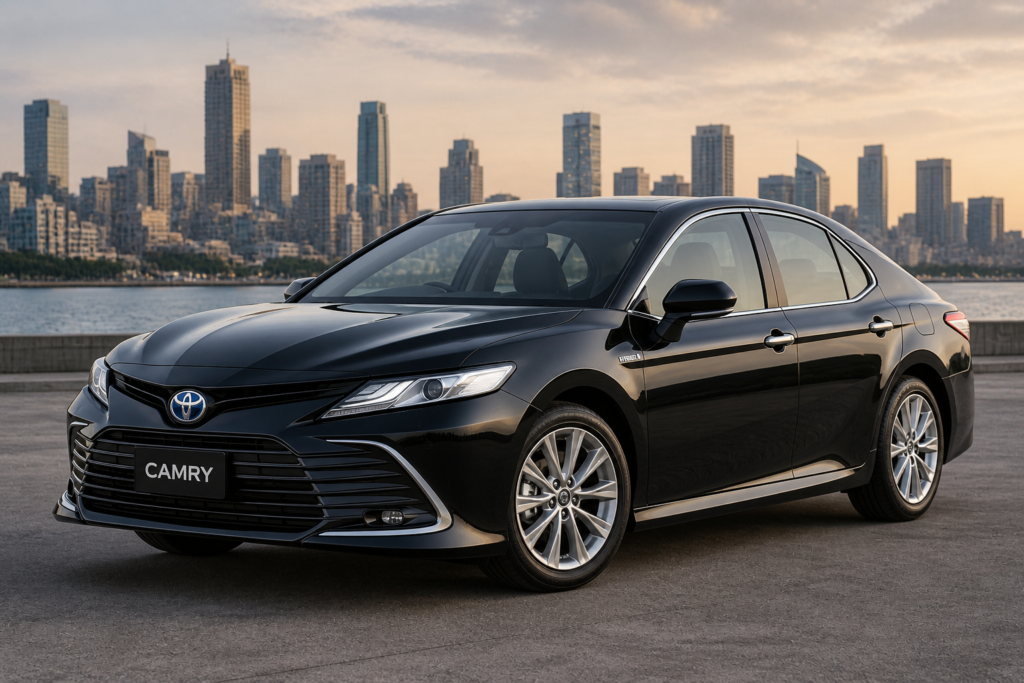
Some people call this generation the peak Camry, and honestly, it’s hard to argue. Dirt-Cheap Cars Toyota built this thing during an era when reliability was their whole identity, and it shows.
The 2002 to 2006 Camry is mechanically simple, overengineered for the segment, and parts can be found at any auto store. These things routinely hit 250,000 miles with just oil changes and basic maintenance.
From a senior-specific standpoint, the interior is a masterclass in “just leave it alone.” Physical knobs for the climate, a clean instrument cluster with high contrast gauges, and thin roof pillars that give you a nearly unobstructed 360° view out of the cabin.
No touchscreen menus to dig through, no system to learn. Dirt-Cheap Cars You can find clean examples under six grand pretty easily. For someone who just wants a car that starts every morning and never surprises them with a repair bill, it genuinely doesn’t get better than this.
Number 7 — Honda CR-V
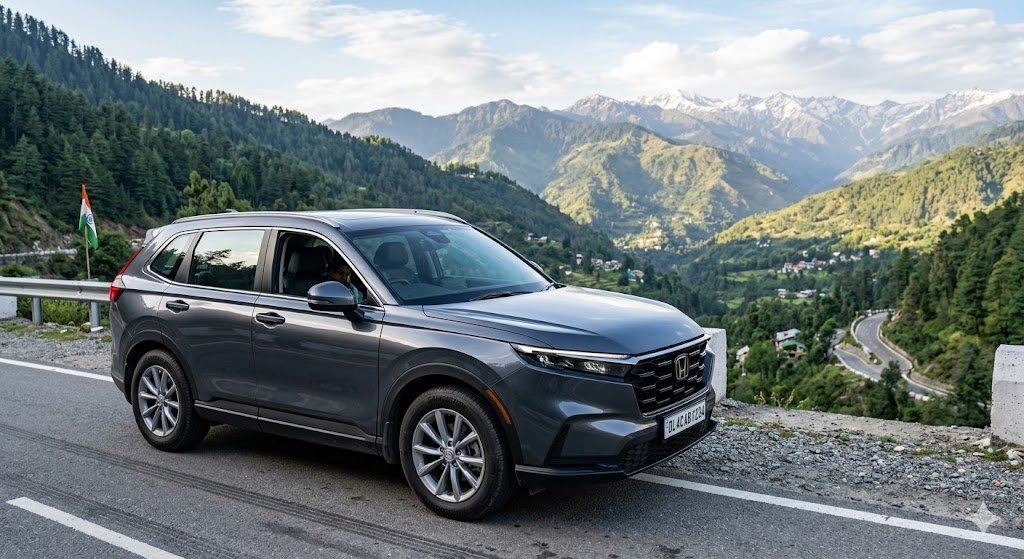
The third-gen CR-V might be the most space-efficient small SUV ever built. It’s a box on wheels in the best possible way. Every inch of the interior is usable and the windows are enormous.
Visibility in this thing is exceptional. You can see the front corners of the hood, the rear corners of the car, and pretty much everything in between. Dirt-Cheap Cars Parking is effortless compared to modern crossovers with their tiny windows and thick pillars.
One detail that’s genuinely underrated for seniors: the gear shifter is mounted high on the dash, right near the steering wheel. You don’t have to reach down between the seats to shift. It’s just right there. Small thing, but it makes a real difference.
The rear doors on this generation also swing open to a full 90°, which makes loading a walker, helping a passenger, or getting a dog in the back significantly easier than most competitors.
The K24 engine is rock solid. Just stay on top of oil changes, check the AC system if it’s sitting, and you’ve got a highly practical little SUV for well under $10,000.
Number 6 — Lexus ES 350
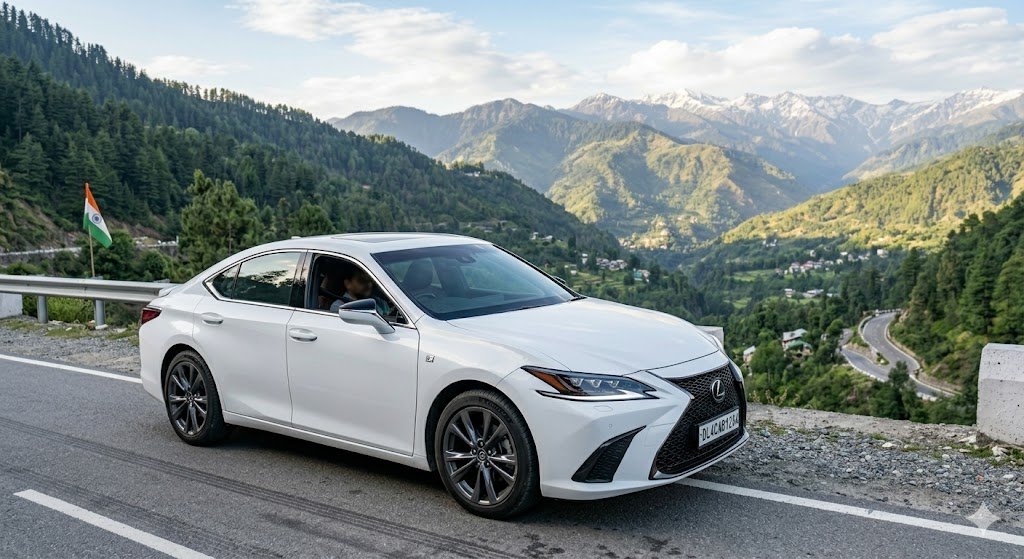
Now we’re getting into the upper tier. The ES 350 is genuinely one of the quietest used cars you can buy at any price point. And for seniors, especially anyone dealing with hearing aids or just general sensitivity to noise, that matters more than people realize.
Every material in the cabin feels substantial. Dirt-Cheap Cars The buttons and knobs have real tactile feedback. The seats are wide and supportive with heated and ventilated options in most trims. It just feels expensive without requiring you to spend what European luxury brands would charge you in repairs.
Here’s the key thing about the ES 350: it shares a huge amount of DNA with the Toyota Camry. Same basic engine, similar platform. So even though the badge says Lexus, the repair costs are much closer to what you’d pay for a Camry.
That’s the whole advantage of the Toyota-Lexus ecosystem. You get the refinement without the boutique repair bills. Target the 2009 to 2012 years for the most refined version of this generation. Find one under $12,000 with good service history and you’ve got a legitimate luxury sedan for practically nothing per mile.
Number 5 — Buick LeSabre
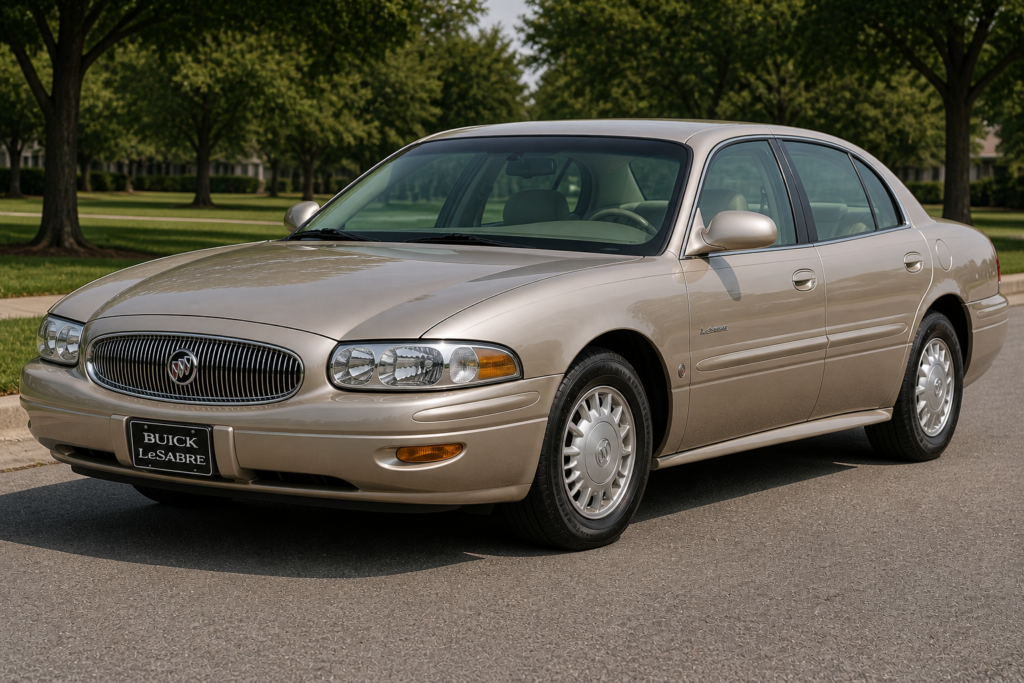
The LeSabre is a legend in this space. It was essentially designed from the ground up for this exact demographic, and it delivers on that premise completely.
The star of the show is the 3800 Series II V6, a 3.8L engine that mechanics genuinely love. It’s one of the most durable and bulletproof V6 engines American automakers have ever produced. We’re talking 200,000 to 300,000 miles with proper maintenance.
Parts cost almost nothing because there are so many of these on the road. Ride quality is absurdly good. Buick tuned the suspension for maximum isolation from road imperfections, and it works. It’s soft, quiet, and comfortable in a way that modern cars just don’t replicate anymore.
And like the Grand Marquis, you get a front bench seat. No center console, no awkward climbing over anything. The doors open wide, the sill height is low, and getting in and out requires minimal effort, even for someone with significant arthritis or hip stiffness.
You can find clean LeSabres for $4,000 to $7,000. For local errands and appointments, it’s practically unbeatable.
Number 4 — Toyota RAV4
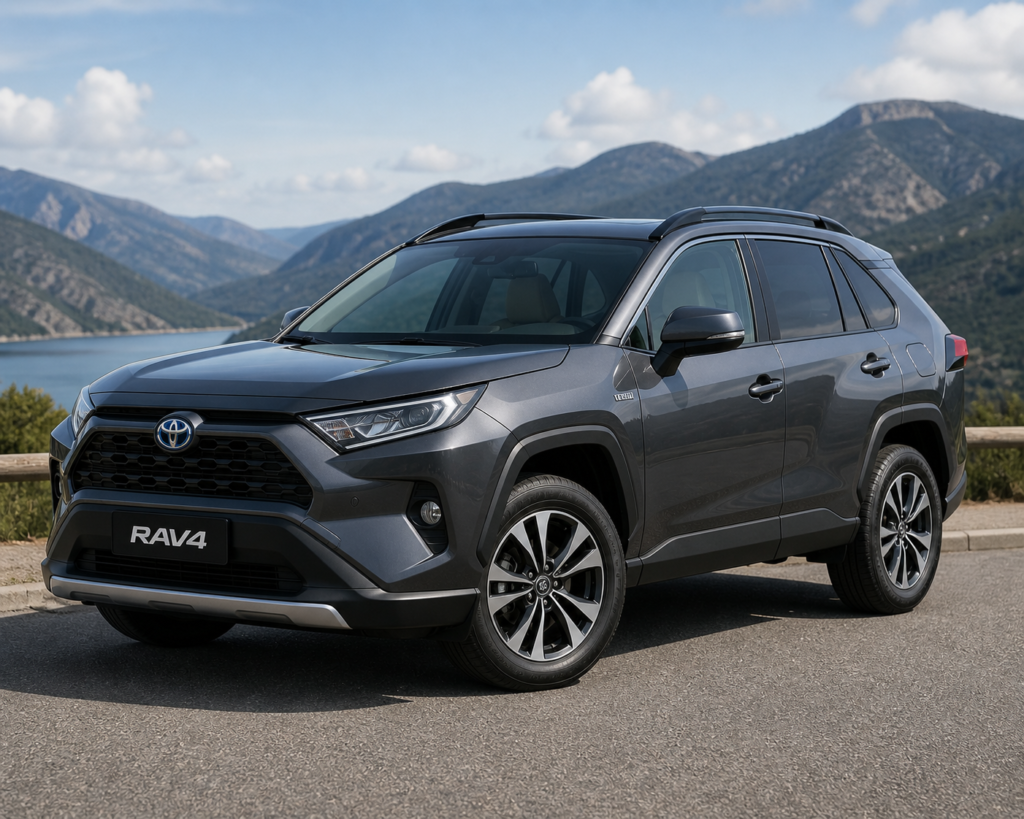
This covers two generations: the third gen from 2006 to 2012 and the fourth gen from 2013 to 2018. Both earn their spot here for the same core reasons: reliability, practicality, and a ride height that just works for most people.
The cargo floor is low, which matters more than most people think. Loading groceries, a walker, or anything bulky doesn’t require hoisting things up and over a high bumper. You just slide it in.
With the seats folded, you’re looking at over 70 cubic feet of cargo space. That’s legitimately truck-like utility without any of the awkwardness of climbing into a truck.
The 2.5L 4-cylinder in these is famously durable. It’s not exciting, but it doesn’t need to be. It just runs.
The available all-wheel drive is a genuine traction system, not just a marketing badge, and it engages proactively before you lose grip rather than after.
If you can stretch to the 2017 or 2018 fourth-gen model, you’ll pick up Toyota Safety Sense, which adds pre-collision warning and automatic emergency braking. That’s a meaningful bonus for any driver.
Number 3 — Mazda CX-5
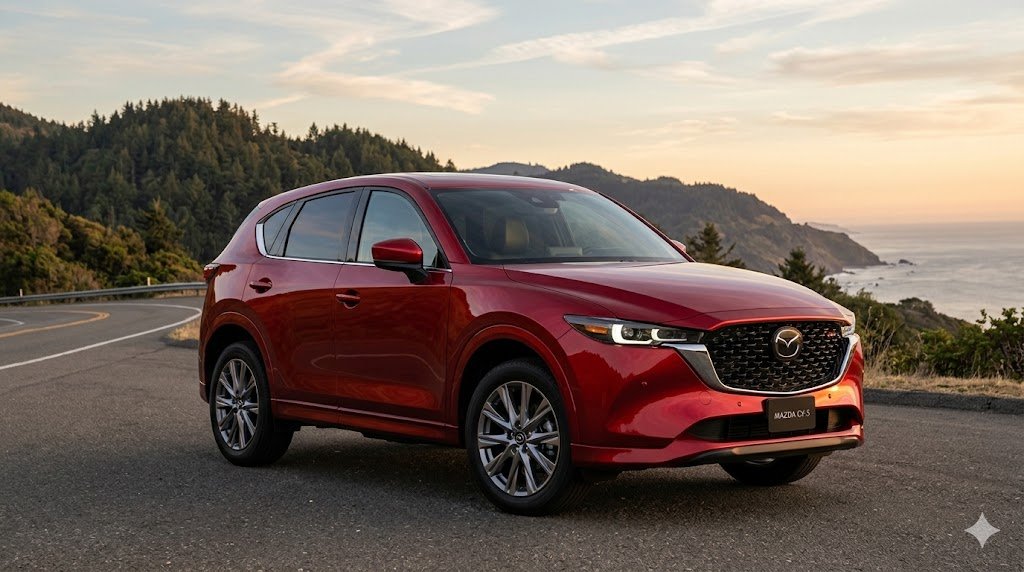
The CX-5 is the pick for the senior who still actually enjoys driving, and there are more of those than people give credit for.
Most small SUVs in this class feel disconnected. Soft, vague steering, a transmission that hunts for gears, a cabin full of screens that demand your attention. The CX-5 does none of that.
It uses a conventional six-speed automatic instead of a CVT, so power delivery is smooth and predictable. The steering has real feedback. The suspension is firm enough to feel planted without beating you up. It just feels like a solid, confidence-inspiring SUV.
The infotainment is a big deal here too. Mazda uses a rotary commander knob on the center console instead of a touchscreen. You scroll and click by feel without taking your eyes off the road.
From 2016 on, most CX-5 trims came loaded with radar-based adaptive cruise control, rear cross-traffic alert, blind-spot monitoring, and lane departure warning. For longer highway drives, adaptive cruise control alone cuts fatigue significantly.
Reliability is strong across the board. The 2.5L engine is straightforward to maintain and ownership costs are well below the class average. Find a 2017 or newer with the full safety suite and you’ve got a modern, well-equipped SUV that drives better than anything near its price point.
Number 2 — Lexus RX 350
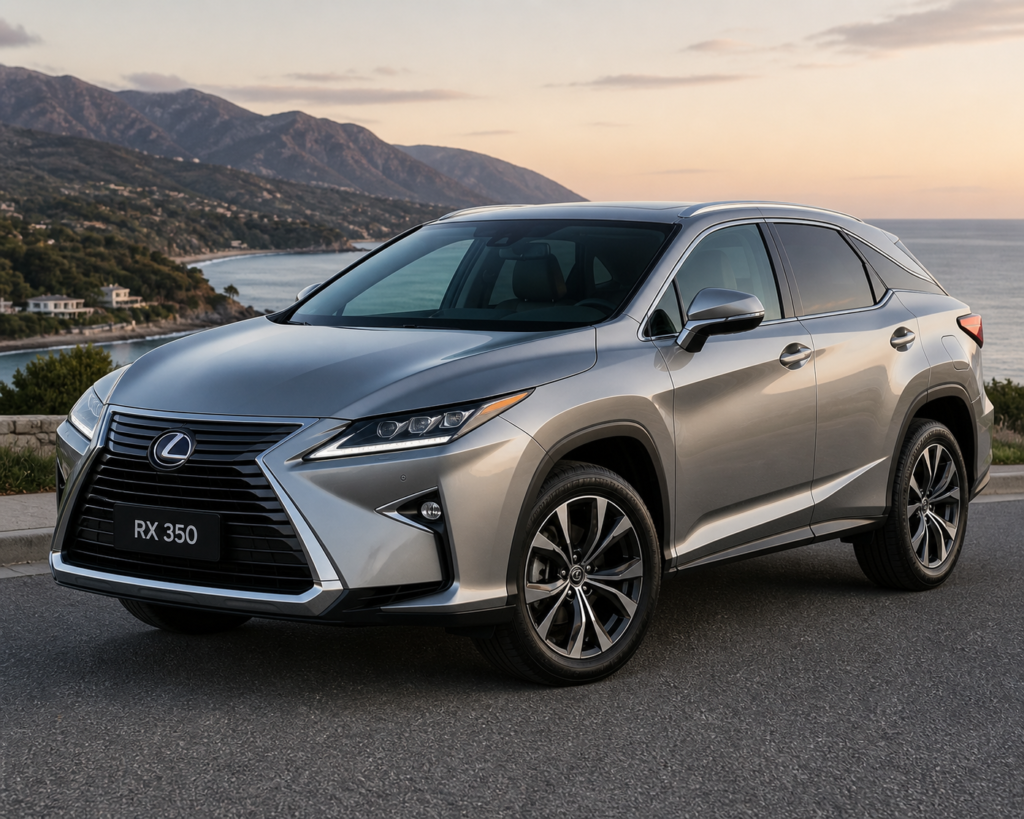
If there’s a gold standard for the senior luxury crossover, this is it. The RX 350 pioneered this entire category.
It’s a unibody crossover, so it handles like a car, but the ride height puts the seat at almost exactly hip level for most adults. Getting in is a literal horizontal slide. No stepping up, no lowering yourself down. You just sit.
That’s not an accident. Lexus engineered the entry point specifically around ease of access.
The NVH insulation — noise, vibration, harshness — is exceptional. Even in older examples, the cabin is remarkably quiet at highway speeds. That’s important if you wear hearing aids, if you travel long distances, or if you’re just someone who finds a loud cabin genuinely exhausting after a while.
Ask any independent mechanic what they’d rather work on, a used BMW X5 or a used Lexus RX, and they’ll tell you the same thing every time: the Lexus.
Because underneath that premium exterior is essentially a Toyota. Your neighborhood shop can handle it. Parts are on the shelf, and the labor is reasonable. The badge says Lexus. The repair bill says something much closer to Camry. That gap is where the real value lives.
Target the 2013 to 2015 models for the sweet spot between price and refined reliability. Under $15,000 gets you into a very clean example.
Number 1 — Toyota Avalon
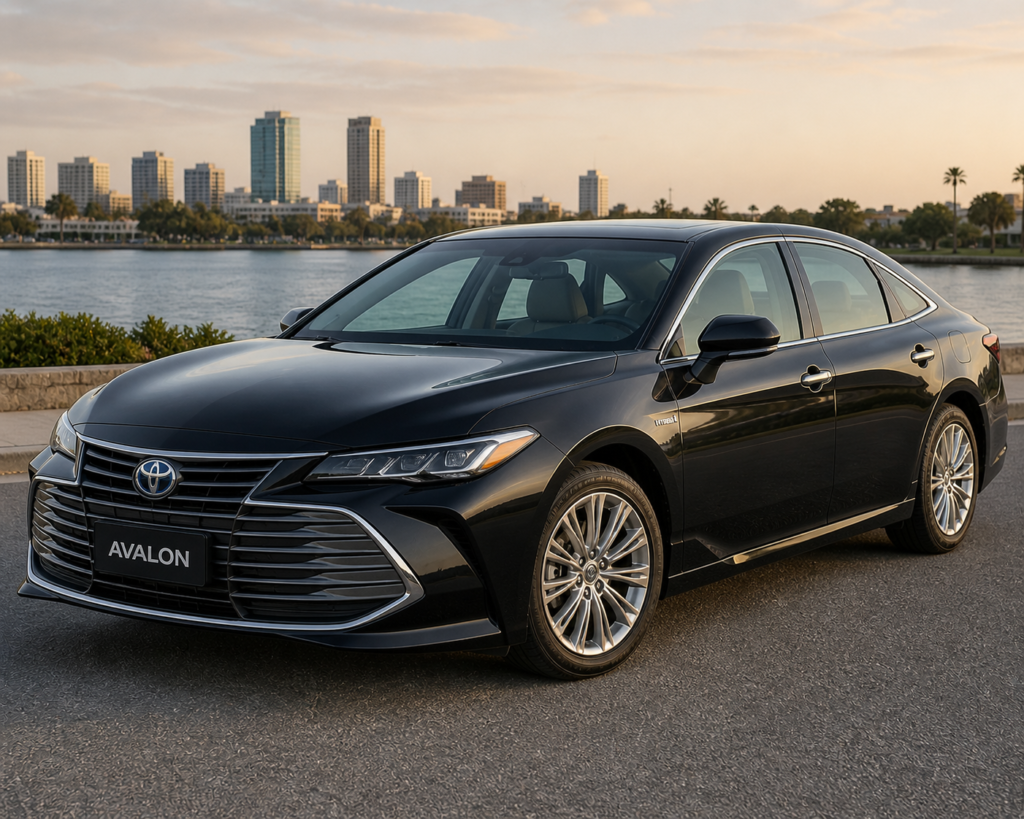
The Avalon has been called the Japanese Buick, and that’s the most accurate short description of what it is.
It’s a full-size Toyota sedan tuned specifically for comfort, quietness, and long-distance smoothness, and it delivers on all three better than almost anything else you can buy used for this money.
The second and third generations, roughly 2000 through 2012, are the ones to focus on. The 2005 through 2012 models specifically use the 2GR-FE 3.5L V6, which is one of Toyota’s most durable and well-regarded engines.
Owners consistently report reaching 250,000 to 300,000 miles with just routine maintenance. That’s the kind of reliability that makes it genuinely the last car someone might ever need to buy.
The interior is a masterclass in ease of use: large, high-contrast gauges, climate controls with real knobs, and wide comfortable seats that don’t require any acrobatics to get into or out of.
Certain trims have actual bench-style front seats with reclining rear seats — a combination that’s basically impossible to find on a modern car.
The suspension tuning is soft and smooth in a way that modern efficiency-focused vehicles just don’t replicate. Road noise is minimal. Wind noise is minimal. It’s just a quiet, calm, effortless place to spend time.
For anyone who does long highway drives, visiting family, seasonal travel, anything like that, the Avalon is the answer. You’ll arrive feeling like you barely drove at all.
Target 2009 to 2012 for the most refined version of the third gen with improved interior materials and a fully sorted engine. You can find excellent examples in the $8,000 to $12,000 range. And if it’s been maintained properly, it should run another 100,000 miles without breaking a sweat.
And that brings us to the end of the list. Now, what car are you driving right now? And how old are you?