
In 1963, a tractor manufacturer walked into Enzo Ferrari’s office and told him his cars had a clutch problem. Enzo told him to go back to building tractors. So, Ferruccio Lamborghini went home, hired Ferrari’s best engineers, and built a car specifically to humiliate everything Ferrari made. That’s the founding story.
Lamborghini wasn’t born out of passion for racing or a childhood dream. It was born out of spite. One man got insulted and decided to build a competing supercar company as a revenge project. And 60 years later, it’s still working.
So today, I’m breaking down the seven levels of Lamborghini. From the car every 8-year-old has on a poster to the ones that most people don’t even know exist. And before I start, I already know someone is going to say, “You forgot the Miura.” I didn’t forget. I made a choice. Let’s get into it.
Level 1 — Urus
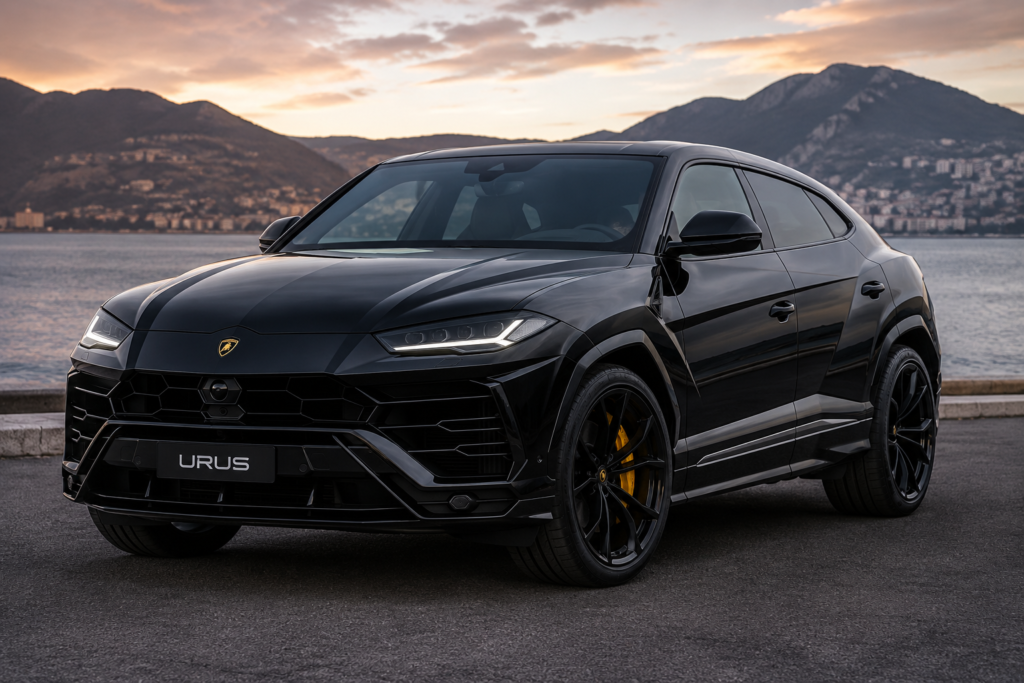
This is where most Lamborghini buyers start, and it’s the car that every Lamborghini purist on the internet pretends doesn’t exist.
Starts around $235,000.
4.0L twin-turbo V8, 657 horsepower in the Performante.
0 to 60 in 3.2 seconds in an SUV that weighs nearly 5,000 lb.
The Urus is the Cayenne story all over again. Lamborghini announced an SUV. The internet erupted. “The brand is dead.” “They sold out.” Then the sales numbers came in.
In 2023, Lamborghini delivered over 6,000 US units out of roughly 10,000 total deliveries. The SUV is 60% of the company. Without it, Lamborghini cannot fund anything else it builds.
Who buys this? The real estate developer in Miami who needs back seats for his kids, but also needs every valet in South Beach to know exactly who just arrived. The Instagram influencer whose content strategy is literally the car. The footballer whose Urus is parked next to three other Urus models in the team parking lot.
The Urus is not a driver’s car. It’s a character in the owner’s personal narrative. And at $235,000, it’s the cheapest way to cast yourself in that role.
Level 2 — Huracán
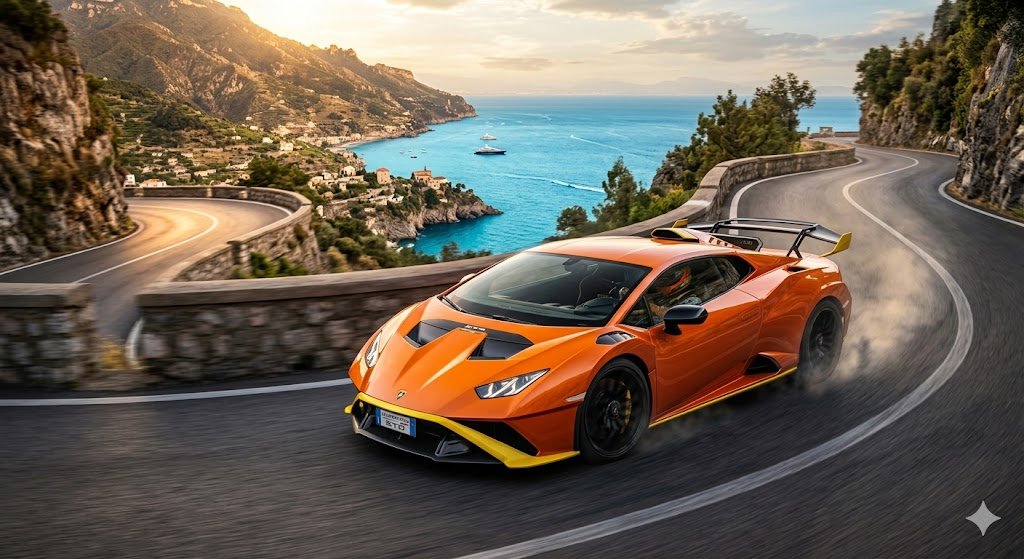
Or rather, what the Huracán was because Lamborghini discontinued it in 2024.
10 years of production, over 20,000 units sold. The bestselling Lamborghini sports car of all time.
5.2L naturally aspirated V10.
631 horsepower in the Tecnica and STO trims.
0 to 60 in 2.9 seconds.
Starting price around $210,000 for the final editions, though most sold closer to $270,000 once options were added. And every single one sounds like the apocalypse clearing its throat.
Here’s why the Huracán matters more than most people understand. It was the last Lamborghini with a naturally aspirated V10 and no electrification. No hybrid assist, no turbocharging, no electric motors filling in the torque curve — just 10 cylinders and 8,500 revolutions per minute of mechanical violence.
That engine is gone now. The replacement, the Temerario, uses a twin-turbo V8 with hybrid assist. It’s faster on paper, but the sound — the thing that made a Huracán unmistakable from three blocks away — is different. And different in this context means diminished.
Used Huracáns are now entering the $150,000 to $180,000 range for earlier models. As the last naturally aspirated V10 Lamborghini ever made, these will be studied by collectors the way people study last-edition air-cooled 911s.
Level 3 — Temerario
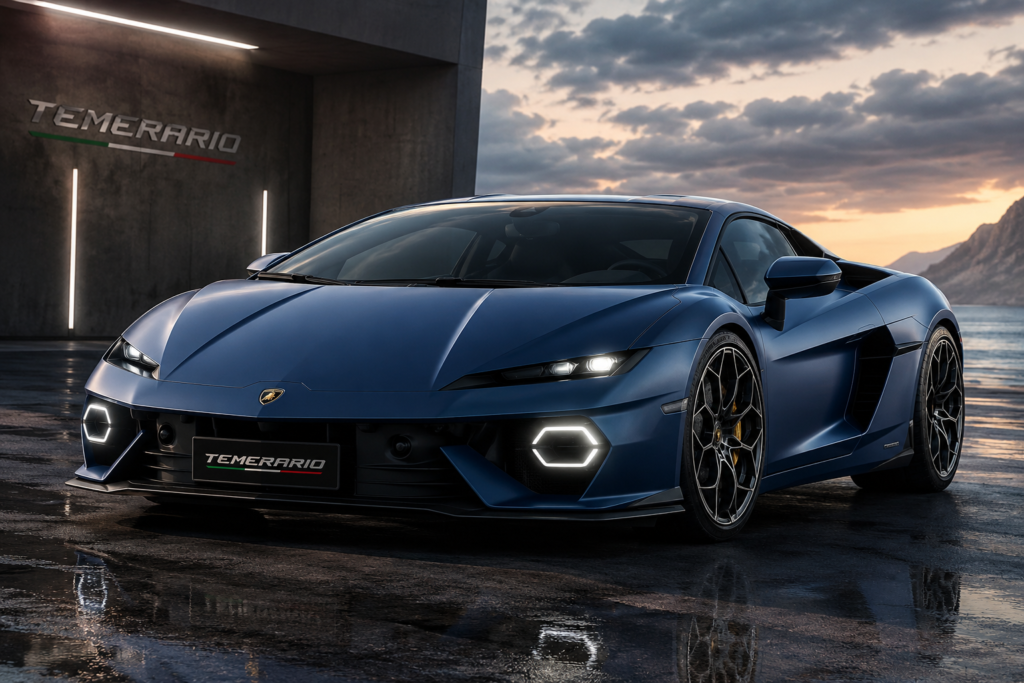
Lamborghini’s brand-new mid-engine sports car and the replacement for the Huracán. This is where Lamborghini enters its next era, and the engineering tells you exactly where the entire industry is going.
4.0L twin-turbo V8 paired with three electric motors.
Combined output of 920 horsepower.
0 to 60 in under 2.7 seconds.
Starting price around $300,000.
Who buys the Temerario? The buyer who was going to buy a Huracán but waited. The McLaren cross-shopper who wants more drama. The Ferrari 296 buyer who test-drove both and chose the one that made his hands shake.
And a new buyer that didn’t exist before — the hybrid-curious performance buyer who wants electrification but refuses to give up the engine note. Lamborghini built the Temerario specifically for that person.
Whether that person is a large enough market to sustain 20,000 units over a decade is the question the next five years will answer.
Level 4 — Revuelto
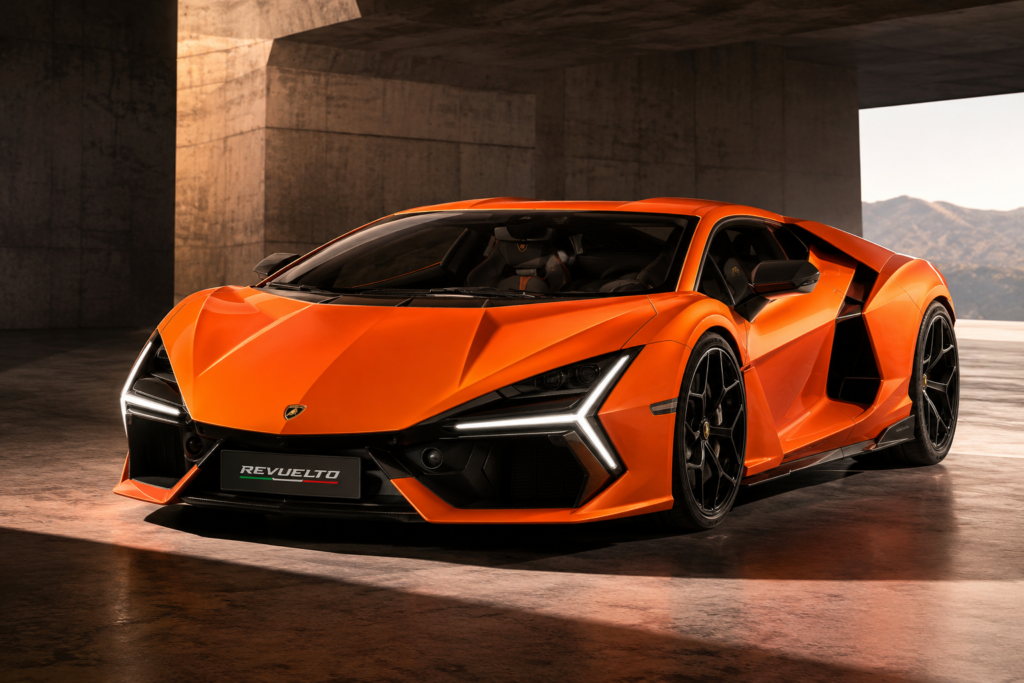
Lamborghini’s flagship. The car that replaced the Aventador and carries the weight of the entire brand’s identity on its roof scoop.
6.5L naturally aspirated V12 paired with three electric motors.
Combined output of 1,001 horsepower.
0 to 60 in 2.5 seconds.
Top speed: 217 mph.
Starting price: $608,000.
The Revuelto is Lamborghini’s answer to the question every supercar brand is facing: How do you electrify without losing your soul?
Ferrari answered it with the SF90. McLaren answered it with the Artura. Lamborghini answered it by keeping the V12, adding electric motors, and making the combined output around 1,001 horsepower because someone in the marketing department understood that four digits is psychologically different from three.
Here’s what separates the Revuelto from everything below it on this list: you cannot walk into a dealership and buy one. The Revuelto is allocated. Lamborghini decides who gets one based on purchase history, dealer relationship, and brand loyalty.
The first two years of production sold out before the public reveal. If you want one today, you’re either on a waiting list measured in years or you’re buying one on the secondary market at a premium that would make your accountant quit on principle.
Level 5 — Aventador SVJ:
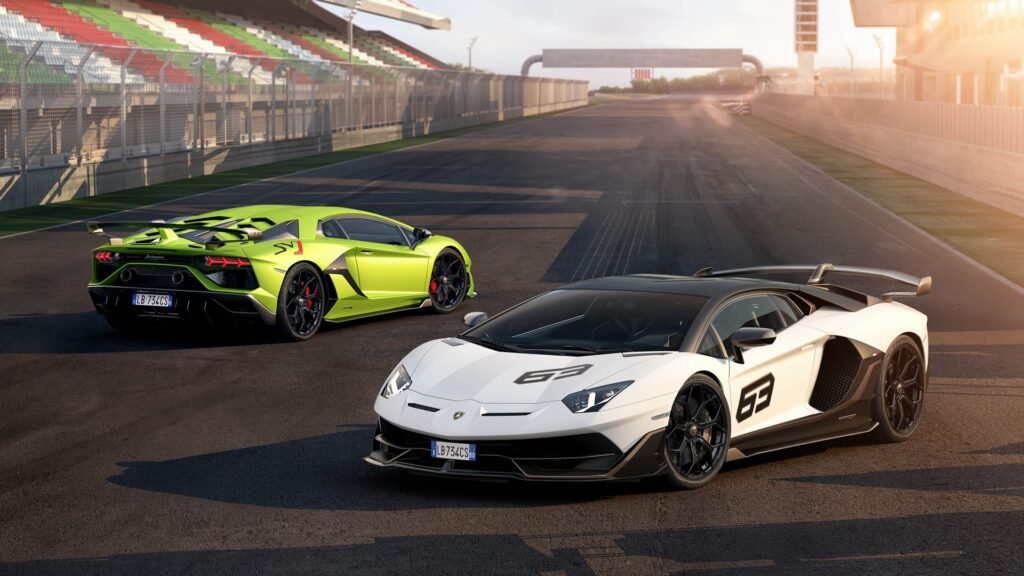
The Aventador SVJ, the Huracán STO, the Huracán Sterrato. This is where Lamborghini takes its standard models and turns them into something that borders on irrational.
The Aventador SVJ:
6.5L V12, 770 horsepower. Nürburgring production car lap record when it was released. 900 units built. Original price around $517,000.
Current market value for low-mileage examples sits between $600,000 and $900,000 depending on specification and color.
The SVJ is the car that proved Lamborghini could compete with Ferrari and Porsche on a racetrack, not just on a boulevard. It held the Ring record legitimately, and the owners never let anyone forget it.
The Huracán STO is basically a GT3 race car with license plates. Rear-wheel drive, 640 horsepower, and a rear hood made from a single piece of carbon fiber because Lamborghini’s engineers wanted to reduce panel gaps.
And someone in the room said, “What if we just made the whole thing one piece?” And nobody stopped them.
$330,000, built in limited numbers, already appreciating.
Then there’s the Sterrato — Lamborghini’s answer to a question nobody asked: What if a Huracán could go off-road? Raised suspension, roof rack, underbody protection, rally-inspired design. It looked insane. The internet loved it. Lamborghini built it because they could, and because every unit sold out immediately.
Level 6 — Limited Hypercars
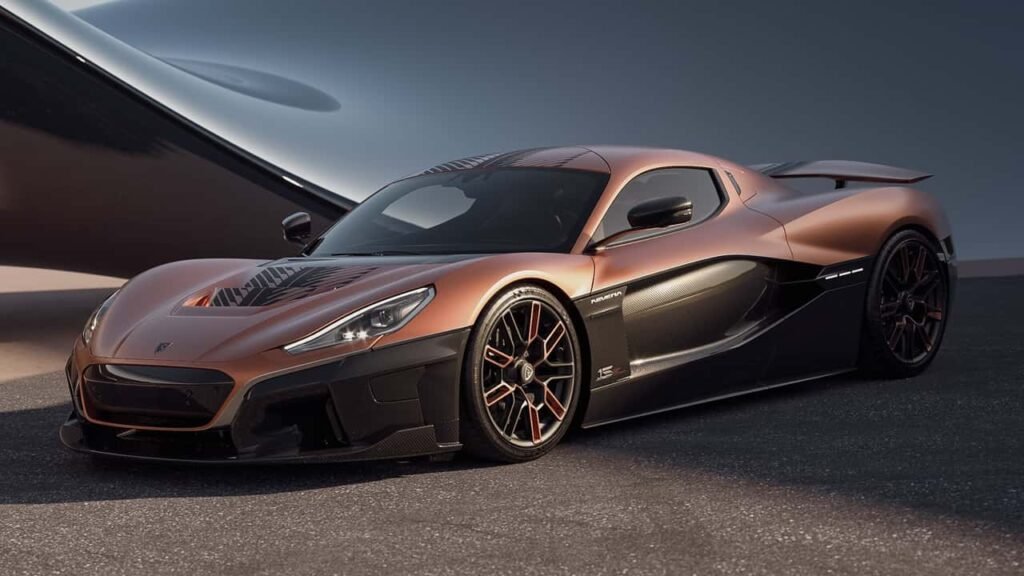
The Sian, the Countach LPI 800-4, the Invencible, and the Auténtica. This is where Lamborghini stops building cars and starts building monuments.
The Sian:
6.5L V12 with a supercapacitor hybrid system.
819 horsepower.
63 units built.
Original price: $3.6 million.
Current estimated market value: north of $5 million.
Lamborghini used a supercapacitor instead of a conventional battery because supercapacitors charge and discharge faster, which means the hybrid system adds power without adding weight the way a traditional battery pack would.
The engineering is genuinely innovative. The production number is genuinely absurd.
The Countach LPI 800-4 was a tribute to the original Countach, which is arguably the most important design in supercar history.
The original Countach from 1974 invented the template: wedge shape, scissor doors, engine behind the seats. Every supercar built after it is, in some way, a response to the Countach.
The modern tribute used the Sian’s powertrain.
112 units built.
Original price: $2.6 million.
Every unit was allocated before announcement. The most desirable cars are no longer sold — they’re offered. And the offering itself is the product.
Level 7 — Veneno & Centenario
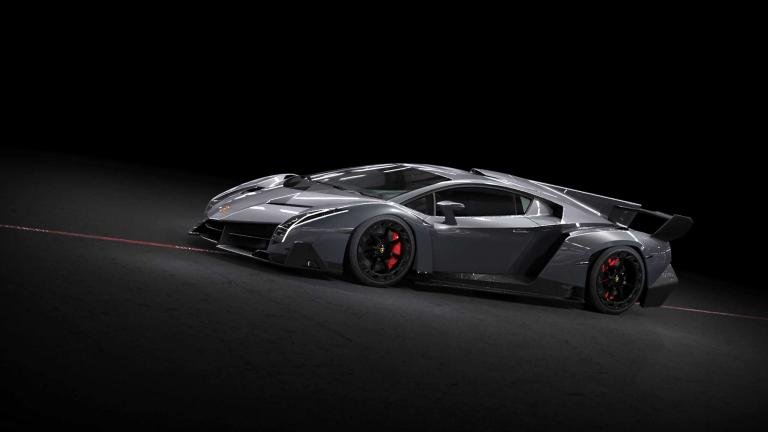
The Veneno and the Centenario exist at the intersection of automotive engineering and fine art.
The Veneno, built in 2013 to celebrate Lamborghini’s 50th anniversary:
6.5L V12.
750 horsepower.
Three coupes built for customers. Two roadsters.
Original price: $4.5 million.
Current estimated market value: $8 million to $12 million.
The Veneno looks like a stealth fighter crashed into a Lamborghini factory and the engineers just went with it. It is one of the most visually extreme production cars ever created.
is no subtlety. There is no restraint. There is no pretending this car could blend in anywhere. It was designed to be the most aggressive-looking object on four wheels, and it succeeded so completely that nothing built since has tried to surpass it.
The Centenario, built in 2016:
770 horsepower.
20 coupes and 20 roadsters.
Original price: $1.9 million.
Current estimated market value: $3 million to $5 million.
Named for the 100th anniversary of Ferruccio Lamborghini’s birth.
The irony of Level 7 is this: Ferruccio Lamborghini started the company because he wanted to build the greatest driving car in the world — a car you would actually drive. A car that would be better than a Ferrari on the road, not on a shelf.
Sixty years later, the most valuable Lamborghinis ever made are cars that nobody drives. Ferruccio probably would have hated that. And he probably would have cashed the check anyway.
Sixty years later, the company is owned by Volkswagen, powered by Audi engineering, funded by an SUV, and produces some of the most emotionally violent machines ever fitted with license plates.
A guy at Level 1 and a collector at Level 7 are doing the same thing. They’re buying the version of themselves that the rest of the world can hear coming.
Every other car company makes cars. Lamborghini makes entrances.