Most riders over 45 don’t make a bad choice. They just make the wrong choice for where they are right now. A bike that felt perfect 10 years ago might be working against you today. Drive FOREVER This list is about finding something that actually lasts — motorcycles built to cross thousands of miles with nothing more than oil, filters, and common-sense maintenance. Today I’m counting down 9 smart SUVs that protect your wallet on repairs, insurance, and depreciation — and I’ll show you when an extended warranty makes sense and when it’s throwing money away. Stick around for #1 and the bonus segment, where I expose two SUVs that can drain your bank account faster than a bad stock pick. Ready to buy once and drive forever? Let’s go.
number 9, we’ve got the Subaru Outback
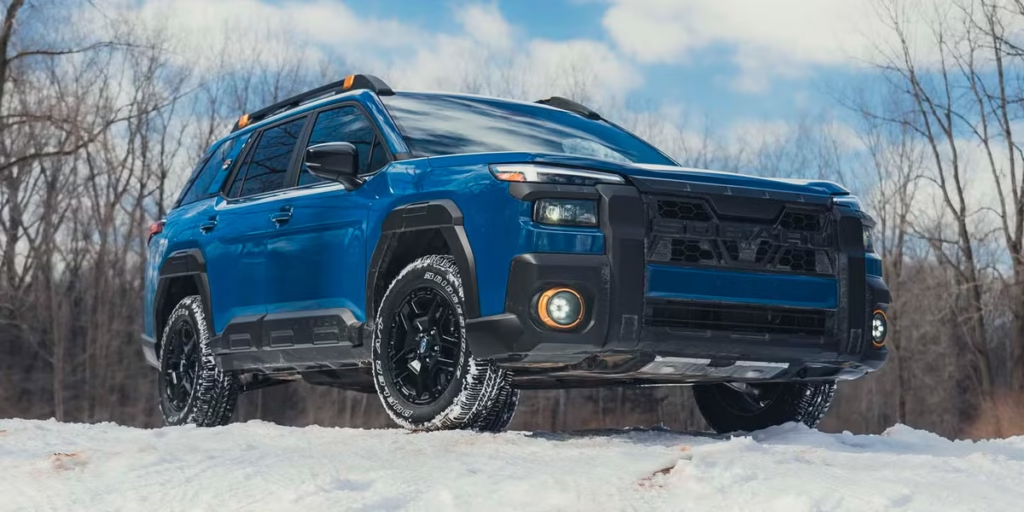
At the SUV that basically invented the crossover segment. Back in the ’90s, people thought wagons were boring. Subaru slapped on some rugged cladding, gave it symmetrical all-wheel drive, and suddenly families had a car that could handle snow, dirt trails, and highway commutes without breaking a sweat.
Now here’s the kicker: most Outbacks sail past 200,000 miles with nothing more than routine oil changes and brake jobs. I’ve personally seen these hit 300k when owners stick to maintenance. That’s why mechanics grudgingly admit — these things just don’t show up in the shop very often.
Insurance companies love them too, thanks to their Top Safety Pick+ rating from IIHS. Safer car equals lower premiums, which means you save money not only on repairs but every single month on insurance.
Sure, the base 2.5L boxer engine isn’t a speed demon, but if you step up to the 2.4L turbo, you’ll enjoy 260 horsepower without sacrificing durability.
But here’s why I like it even more — unlike many SUVs that market all-wheel drive as a pricey option, Subaru makes it standard. That consistency means less wear, better stability, and fewer costly surprises down the road.
And if you shop smart, the 2020 model year is the sweet spot: modern tech, safety features, and rock-solid reliability at a used price that won’t wreck your retirement savings.
number 8 is the Toyota RAV4 — the bestselling SUV in America.
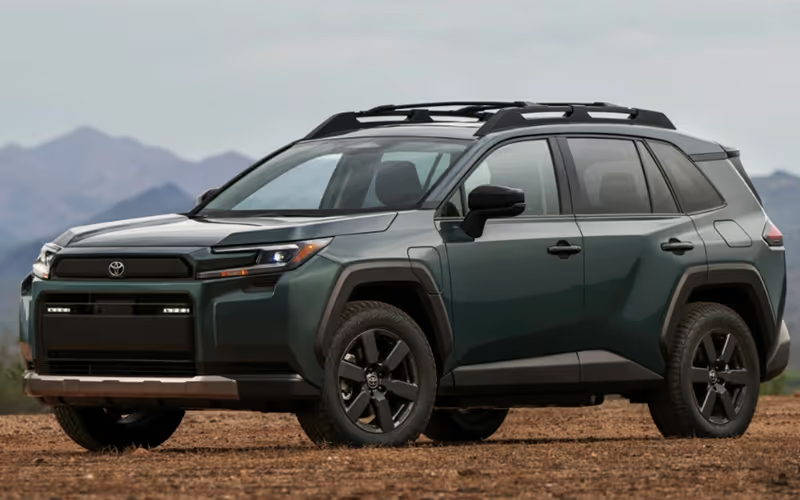
Sliding into And that’s not by accident. Drive FOREVER Toyota nailed the formula: easy to drive, rock-solid chassis, and an engine that feels like it was built to outlast the competition.
Here’s what blows me away: older RAV4s regularly cross 300,000 miles without a single major repair. I’ve seen 2010 models still running strong on their original drivetrain.
And because Toyotas have that reputation for longevity, the RAV4 holds its value like crazy. In fact, used models often sell for almost as much as a brand-new rival from Honda or Ford. That’s depreciation protection most SUVs can only dream about.
Even if you take a hit in performance — newer RAV4s use a 2.5L four-cylinder that’s not exactly thrilling — your wallet comes out ahead thanks to resale value and reliability.
Here’s the financial lesson: buying a RAV4 isn’t just about reliability, it’s about equity. Unlike some cars that lose half their value the moment you drive them off the lot, a RAV4 is more like a savings bond. You can cash out years later and still get a solid return.
number 7, we’ve got the Acura RDX
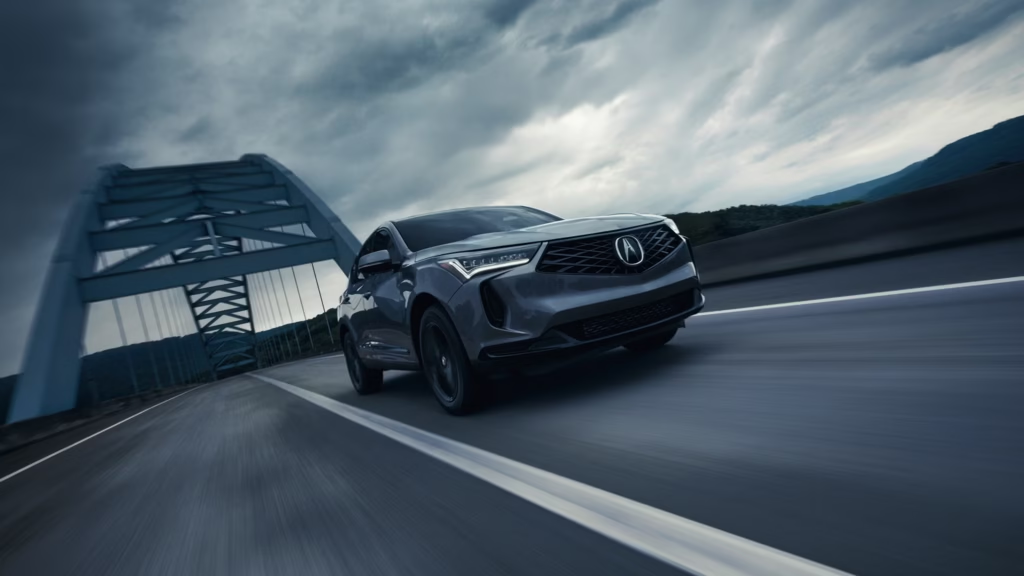
At number 7, we’ve got the Acura RDX — probably the most underrated luxury SUV in America. Drive FOREVER And you know what? That’s a good thing for buyers like us. Because while everyone else is chasing BMWs, Audis, and Mercedes, the RDX quietly delivers the same luxury experience for half the cost — and without the maintenance nightmares.
Here’s the secret: from 2013 to 2018, the RDX shared its powertrain with the Honda Pilot. That means you’re getting a bulletproof 3.5L V6 and Honda’s proven six-speed automatic, wrapped in a luxury interior with leather seats, better sound insulation, and nicer tech. It’s basically a Honda Pilot in a suit and tie.
And here’s where it gets interesting: while German luxury SUVs plummet in value the moment they leave the lot, the RDX holds its ground. A 2013 RDX often sells for less than a used Toyota RAV4 — and you’re getting more space, more features, and luxury comfort for economy-SUV money. That’s a depreciation hack most car buyers completely overlook.
Reliability? Many RDX owners report hitting 150,000 miles with nothing but routine maintenance. Try doing that with a BMW X3 without a $5,000 transmission bill.
But here’s the kicker — because it’s a luxury badge, insurance companies often classify it differently. Depending on your provider, you could actually pay less than you would for a new Ford Escape or Chevy Equinox. Imagine that — luxury comfort with economy running costs.
number 6 is the Hyundai Santa Fe
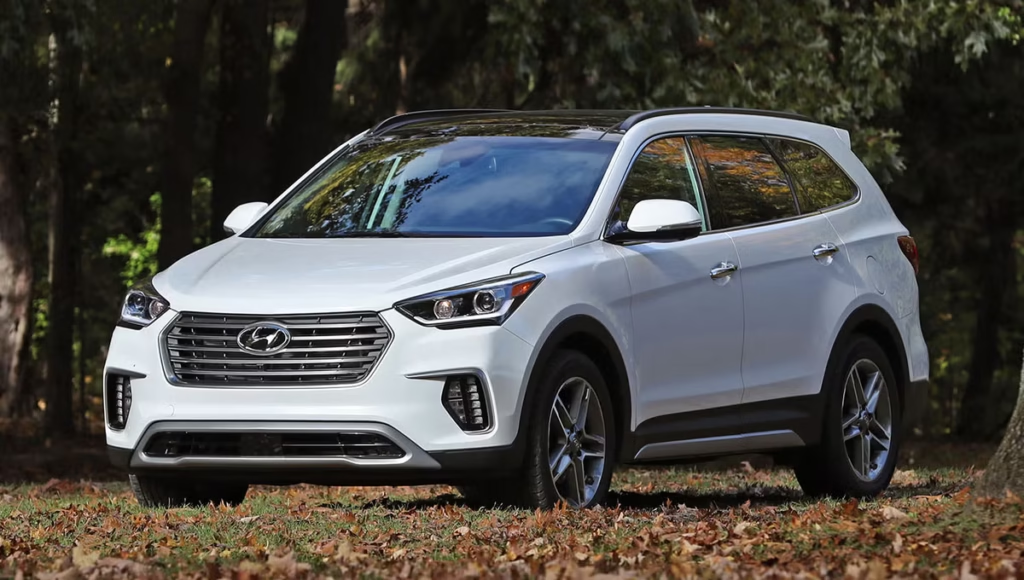
Coming in hot at number 6 is the Hyundai Santa Fe — a name that might surprise you. Drive FOREVER A decade ago, Hyundai wasn’t exactly known for reliability, but the Santa Fe has completely rewritten that story.
The secret? Warranty coverage. Hyundai, just like Kia, backs this SUV with a 10-year, 100,000-mile powertrain warranty. Translation: even if something big goes wrong, you’re not footing the repair bill. For older drivers who value peace of mind, it’s basically like having an extended warranty baked right into the purchase price.
And it’s not just marketing fluff — real-world Santa Fe owners are cruising past 200,000 miles with little more than oil changes, brakes, and tires. Fuel economy is solid, resale value keeps climbing, and insurance rates are usually cheaper than rivals like Jeep or VW.
So if you want an SUV that blends affordability with bulletproof dependability, the Santa Fe is a smart buy.
number 5, we have the Lexus LX
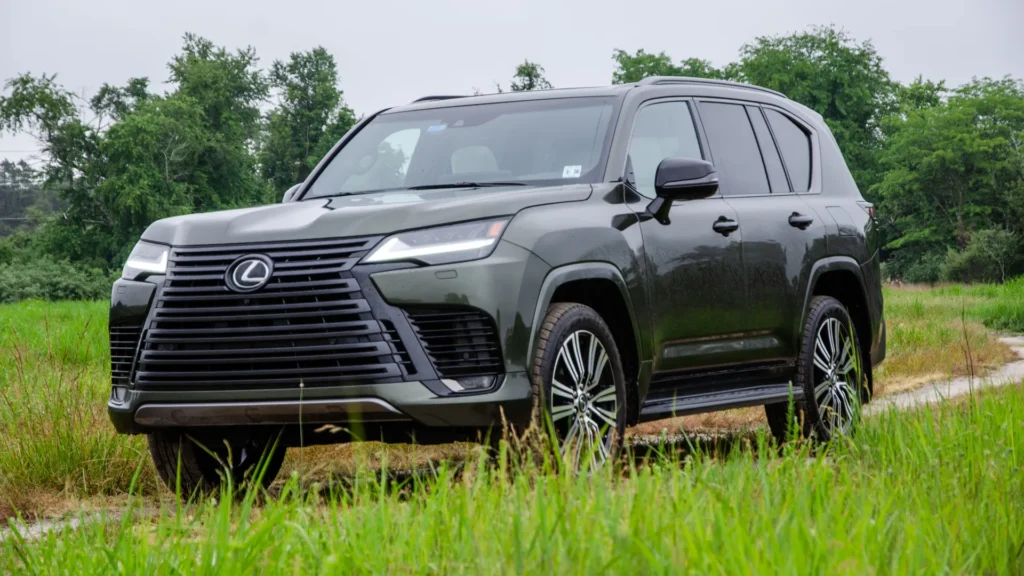
At number 5, we have the Lexus LX — the armored tank of luxury SUVs. Drive FOREVER Underneath the leather seats and polished badge, it’s basically a Toyota Land Cruiser, which is legendary for going places other SUVs wouldn’t dare and lasting longer than some people’s mortgages.
These machines are famous for hitting 400,000 to 500,000 miles, and in parts of Africa and the Middle East, some have racked up over a million miles. The LX just takes that bulletproof durability and wraps it in luxury comfort.
Now, yes, it guzzles fuel — expect 15 to 17 miles per gallon — but the trade-off is reliability that makes German rivals look fragile. While a Mercedes G-Wagon will hit you with $2,500 repair bills, the LX keeps going with nothing more than oil changes and basic service.
And here’s the kicker: depreciation is almost nonexistent. Used LX models still command staggering prices because everyone knows once you buy one, you may never need another SUV again.
If you want the ultimate blend of luxury, longevity, and resale value, the LX is as close to bulletproof as it gets.
Quick pause here — if you’re enjoying this list, hit that like button right now. It really helps the channel, and trust me, the next SUV flips everything you thought you knew about Japanese engineering. You won’t believe how long this one lasts.
top 4 is the Mazda CX-5
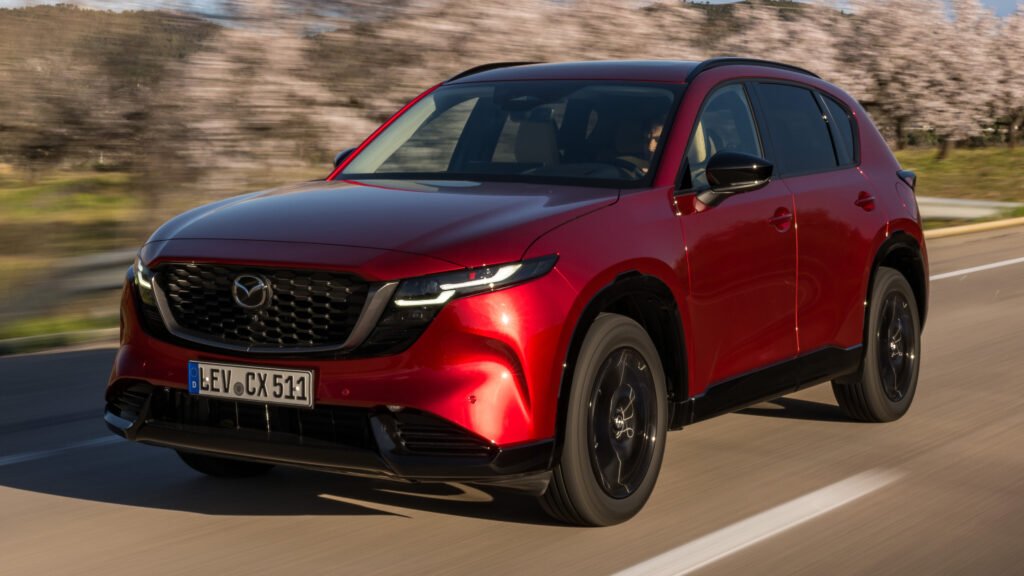
Cracking into the top 4 is the Mazda CX-5 — proof that you don’t need to choose between style and reliability. Most compact SUVs feel like appliances, but the CX-5 actually drives like a car you want to be in. Sharp handling, sporty looks, and still tough enough to cross 200,000 miles with proper care.
Here’s something I love: unlike many rivals, the CX-5 doesn’t use a CVT. Drive FOREVER Instead, you get a real six-speed automatic transmission that’s both smoother and more reliable. That alone saves you thousands in potential repair bills down the road.
RepairPal actually gives the CX-5 an impressive 4.5 out of 5 reliability rating, and real-world owners back that up.
Sure, the cabin is a little tighter than a RAV4 or CR-V, but you’re trading space for a more premium feel and a better driving experience.
Financially, it’s a smart move too — resale values stay strong, and annual maintenance costs are lower than most competitors in its class.
number 3, we’ve got the Subaru Forester
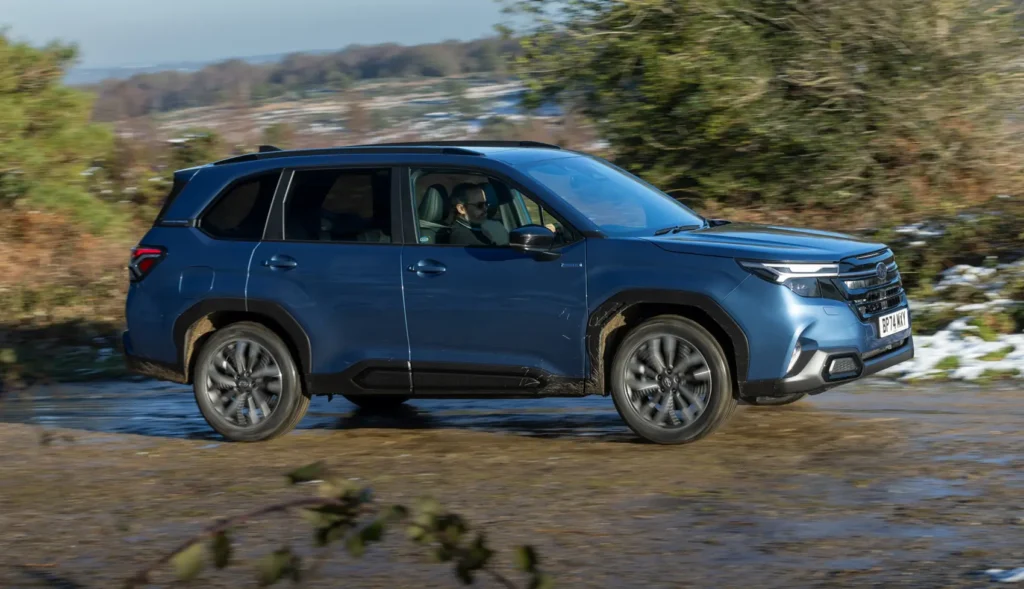
At number 3, we’ve got the Subaru Forester — a compact SUV that’s practically bulletproof. Drive FOREVER Consumer Reports gave it an astonishing 98 out of 100 reliability score, which is about as close to perfect as you’ll ever see in the car world.
Now, let’s address the elephant in the room — Subaru’s CVT transmissions. A decade ago, they had issues. But here’s the truth: Subaru fixed the problem. As long as you change the CVT fluid every 30,000 miles, you’ll avoid the horror stories and keep this SUV running smoothly for decades.
Owners routinely push their Foresters well past 200,000 miles, and because the brand has such a loyal following, resale values are outstanding. That means when you’re ready to upgrade, you’ll get more money back compared to rivals like Nissan or Ford.
Add in standard all-wheel drive, top safety ratings, and fuel efficiency that’s better than many midsize competitors, and you’ve got one of the smartest buys in the SUV market.
number 2, we’ve got the Honda CR-V
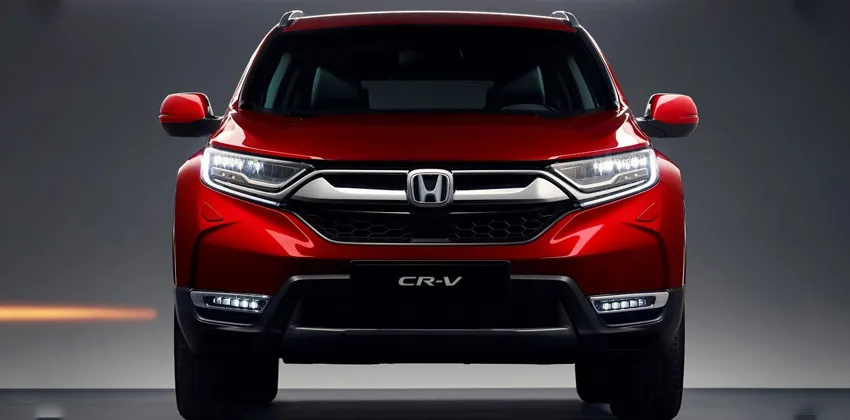
At number 2, we’ve got the Honda CR-V — the SUV that finally knocked the Toyota RAV4 off its throne. For years, these two have gone head-to-head, but the latest CR-V delivers better handling, better standard safety features, and even better fuel economy, topping out at an impressive 30 miles per gallon combined.
But here’s the real shocker: some second-generation CR-Vs from the early 2000s are closing in on 500,000 miles. That’s half a million miles of commuting, family road trips, and daily errands without ever needing a major rebuild. Drive FOREVER Few vehicles on earth can claim that kind of staying power.
Insurance companies also love the CR-V, thanks to its IIHS Top Safety Pick+ rating, which means you’ll save money every month compared to riskier SUVs like the Jeep Cherokee or Ford Escape.
And resale? Honda’s reputation for dependability keeps values sky-high, so you won’t take a financial beating when it’s time to sell.
The bottom line: the CR-V proves that practical doesn’t have to mean boring — it’s safe, efficient, and built to last decades.
number 1, we have the Honda HR-V
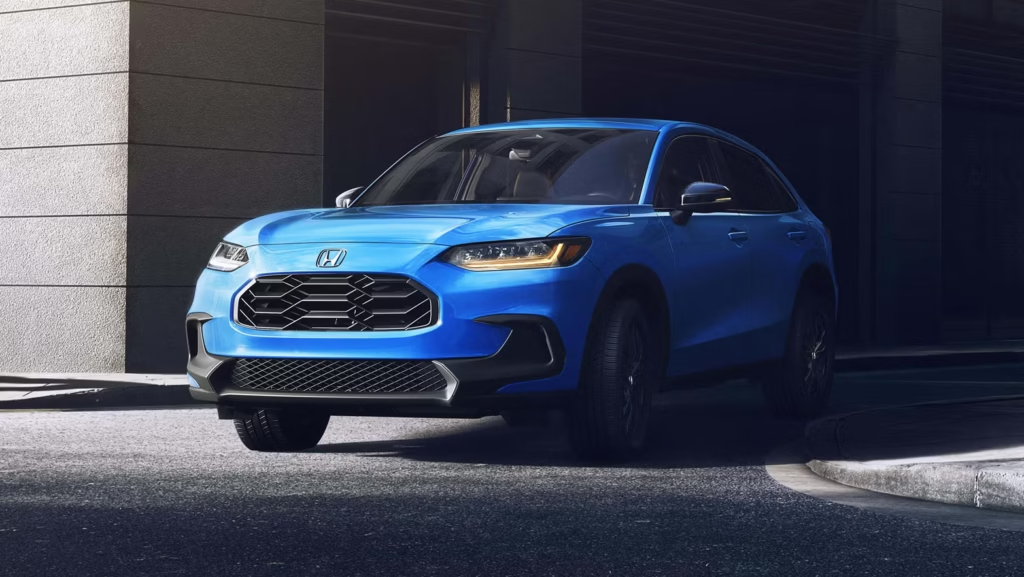
At number 1, we have the Honda HR-V — the little brother of the CR-V that’s just as tough. Drive FOREVER Don’t let its compact size fool you. The HR-V is one of the most reliable small SUVs on the market, and it’s backed by Honda’s legendary engineering.
Owners regularly report 150,000 to 200,000 miles with almost no major repairs. And because it’s smaller than the CR-V, you get even better fuel economy — up to 34 miles per gallon highway — while still enjoying Honda’s top-tier safety ratings.
Insurance companies love this SUV too. The HR-V’s low accident repair costs keep premiums in check, making it one of the most budget-friendly SUVs to own long-term.
Sure, it doesn’t have the power of bigger SUVs, but for daily driving, light road trips, and long-lasting reliability, the HR-V is hard to beat.
And just like its bigger CR-V sibling, it holds resale value incredibly well — so when it’s time to trade up, you won’t lose sleep over depreciation.
We’ve covered the SUVs you can trust — but now it’s time for the other side of the story. There are two models you’ll definitely want to avoid, and both might surprise you.
Bonus pick you’ll definitely want to avoid: the Jeep Wrangler. Now, don’t get me wrong — it’s one of the most iconic SUVs ever made, but sales don’t equal reliability. In fact, recent Wranglers have been plagued with problems that make them more of a money pit than a weekend toy.
Owners have reported constant electrical issues, oil leaks, suspension failures, and of course, the infamous “death wobble” — where the whole Jeep shakes violently after hitting a bump or pothole. Not exactly the confidence you want in an off-roader.
And it gets worse: the Wrangler has struggled in crash tests, with marginal IIHS ratings that put safety into question. Insurance companies know this too, which is why premiums are often sky-high compared to more dependable SUVs.
So unless you love spending weekends fixing your car instead of driving it, the Wrangler is one SUV you’re better off leaving at the dealership.
Another SUV you’ll want to avoid is the Ford Explorer, especially models from the 2010s. On paper, it looked like the perfect family hauler — roomy, stylish, and packed with tech. But under the hood, things got messy fast.
The big issue? Transmission failures. Owners reported jerky shifts, hesitation, and complete breakdowns well before 100,000 miles. Repairs often cost $3,000 or more, and even replacements weren’t always a permanent fix.
Add in problems with water pump leaks, electrical glitches, and recalls, and the Explorer quickly became more headache than helper.
Insurance companies also took notice. Higher claim rates and spotty crash-test performance pushed premiums up, making it one of the more expensive midsize SUVs to keep on the road.
So while the Explorer name has history, the reality is ugly: buy the wrong year, and you’ll spend more time at the shop than behind the wheel.
Stick with the reliable SUVs we’ve covered — because this one can empty your wallet faster than you can say “extended warranty.”
So here’s the bottom line — the smartest SUV to own isn’t the one with the lowest price tag, and it’s not the one with the flashiest badge. It’s the one that stays out of the repair shop, protects you with strong safety ratings, keeps insurance costs low, and still holds its value 10 or even 20 years down the road.
That’s why the real winners in this list aren’t just about horsepower or styling — they’re about peace of mind and financial security.
Think about it: a reliable SUV can save you tens of thousands of dollars over its lifetime. Lower repair bills, fewer trips to the mechanic, cheaper insurance, and stronger resale value all add up.
Meanwhile, an unreliable SUV doesn’t just drain your bank account — it drains your time, your patience, and even your confidence every time you get behind the wheel.
And here’s something most people overlook — the money you save on one of these dependable SUVs could easily cover the down payment, or even the full cost, of your next car down the road.
In other words, driving the right SUV today is like investing in your future — it pays you back year after year, mile after mile.
Plus, owning a vehicle you can truly trust changes how you live. Instead of worrying about whether your car will start in the morning, or if your insurance premium will spike after another breakdown, you get freedom.
Freedom to take that family road trip without fear. Freedom to keep driving comfortably into retirement without wondering if your car will hold up. That’s real peace of mind.
So I’ll ask you this — which SUV would you trust to keep for the next 10 years, maybe even 20? Drop your answer in the comments below, because I’d love to hear what you’d choose.
And don’t forget to subscribe for more insider car tips — the kind that save you money, protect your investment, and help you buy smart so you never have to worry about surprise repair bills.